A specification sheet can list driver size, battery hours and codec support, and none of those tells you how a pair will feel after two hours on a Tuesday. What separates earbuds people keep from earbuds that end up in a drawer is rarely a headline number. It is whether they disappear in the ear, whether the tuning survives more than one kind of music, and whether the small electrical things keep working in month eighteen. Read the list in that order and most of the marketing stops mattering. Three things, in that order.
A Fit You Stop Noticing
Weight, Balance and Pressure Points
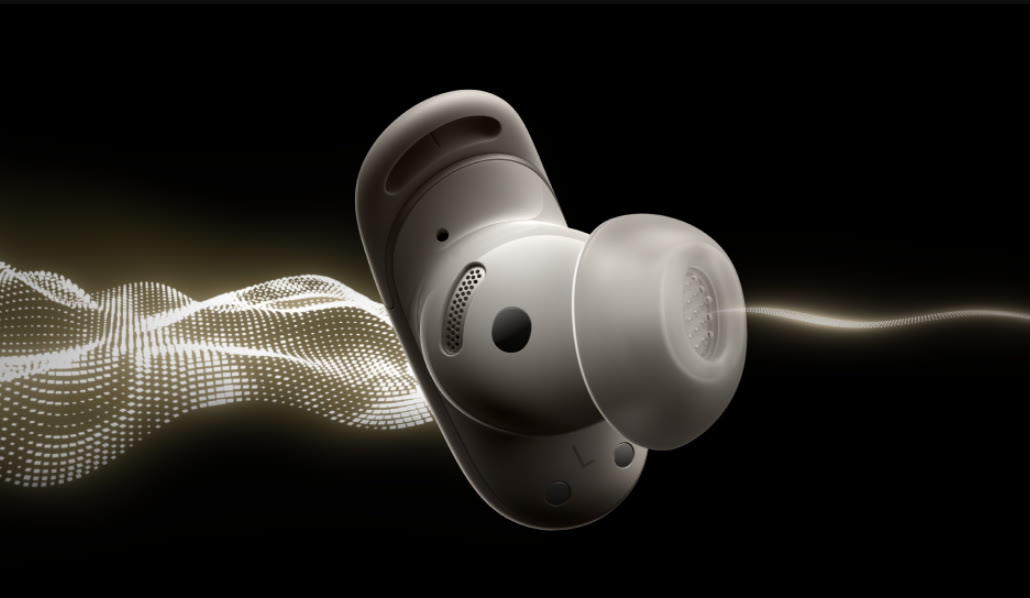
Most wireless earbuds are judged by weight, and weight matters less than where it sits. A heavier earbud balanced close to the ear canal can feel lighter than a smaller one that hangs outward and tugs, because leverage does the damage rather than mass. Pressure points are the other half: a stem that rests against the jaw, a housing that presses the concha, or a fin that pushes rather than braces. The first minute is a poor test, because almost anything feels acceptable before the ear has had time to object. Balance explains why two pairs of identical weight can feel entirely different after an hour. A stem that sits outside the ear adds leverage with every step, which is why shape matters more than scale.
How It Feels After Two Hours
Two hours is where the truth arrives. A pair that is comfortable for a commute may be unbearable for a long flight, and the difference is usually heat and moisture rather than size. Ears that cannot breathe swell slightly, and an earbud that fitted at nine o’clock will feel tight by eleven. Anything with a hard edge along the top of the canal will announce itself eventually, and no amount of adjusting fixes a shape that does not suit your ear. That is why the tips and fins in the box matter as much as the housing, since they are the only adjustment most pairs allow.
Sound and What Surrounds It
Tuning That Suits More Than One Genre
A tuning that flatters one recording will ruin another, and most people listen to more than one kind of thing in a week. Bass that overwhelms a podcast is the same bass that makes a train journey pleasant, so the better choice is a pair that responds to adjustment rather than one that insists on a signature. The soundcore Liberty 5 Pro Max adapts its output to the shape of your hearing with HearID and allows further adjustment through an equaliser, so the same pair stays usable from speech to strings, while its five tip sizes and three fins hold the seal the bass depends on. A fixed signature, by contrast, is a decision made for you by somebody with different ears.
Transparency and Awareness Modes
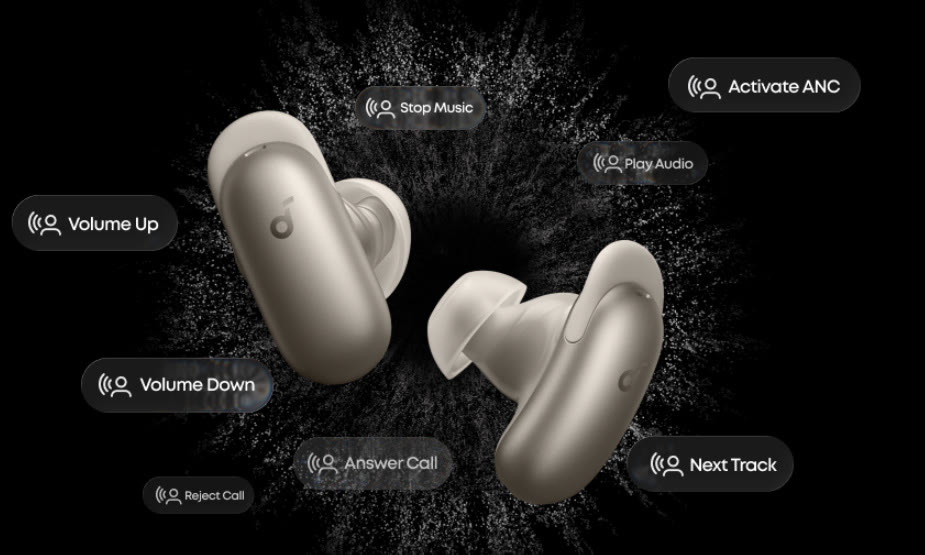
Awareness modes matter more than they sound. Being able to hear a platform announcement without removing an earbud, or to order a coffee without a conversation conducted at volume, is the difference between a pair you wear all day and a pair you keep taking out. A good transparency mode sounds slightly amplified rather than muffled, and it should switch quickly enough that you do not have to repeat yourself. It is the feature people use most and discuss least, and it should be reachable without removing an earbud, because a mode that needs two hands will not be used on a crowded platform.
The Parts You Only Notice When They Fail
Connection Stability and Delay
Nothing is more irritating than an earbud that drops out at a crossing, or a video whose sound arrives half a beat after the lips move. Stability depends on the antenna design and the protocol rather than on a version number, and it shows up in crowded places where the air is full of other signals. Delay matters for video and games, and it is usually invisible until it is not. Both are hard to test in a shop and easy to notice in a week of real use. The honest test is a walk through a busy area with the phone in a pocket rather than on a table.
Battery Claims and Replaceability
Battery figures are quoted at a volume nobody uses and with features nobody turns off. Expect something closer to two-thirds of the claim in daily life, and expect the case to hold less after two years of charging. Those figures also describe a new cell rather than a three-year-old one, and a case that has been through a thousand cycles will hold less again. What matters more is how long the product is supported for updates and spares, since that is what a pair at month thirty actually depends on. A supported product with updates and available ear tips is worth more than a larger number on the box. Ask what a replacement tip costs before buying, since that is the number that keeps a pair alive in year three.
Conclusion
Good earbuds get the boring things right: they sit still, they sound acceptable across whatever you actually play, and the connection holds when the street gets busy. Everything else is a feature list, and features rarely compensate for a poor fit or a tuning that only suits one album. Test the three in that order, and the pair you keep will be the one you stop thinking about. A few minutes with each question in a shop settles more than an hour of reviews, and none of the three needs a specification sheet to answer. It is a lower bar than the marketing suggests, and a considerably more useful one.