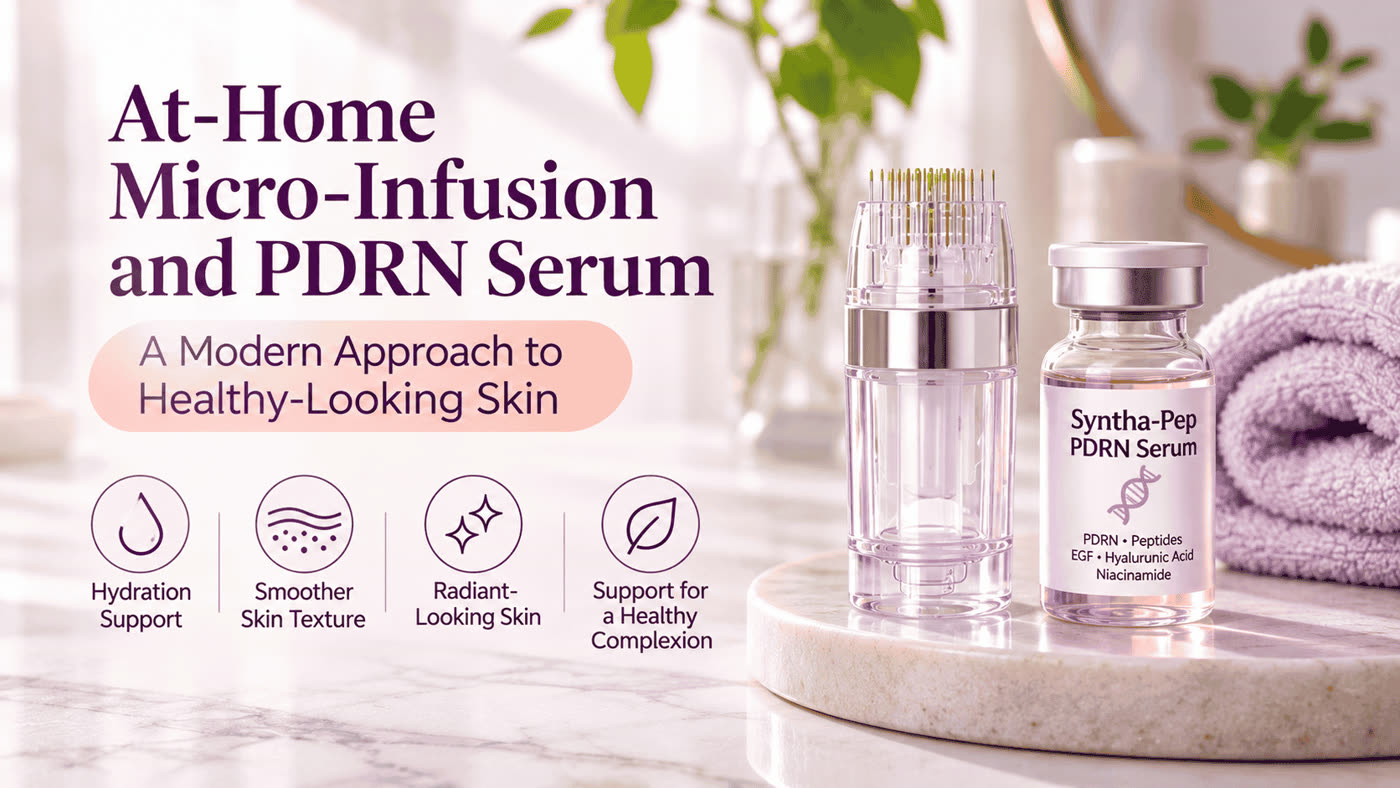
A healthy, radiant complexion is something many people strive for, but maintaining an effective skincare routine can be challenging with a busy lifestyle. Environmental exposure, stress, hormonal changes, and inadequate sleep can contribute to dryness, dullness, and uneven skin texture. While traditional skincare products remain essential, advances in beauty technology have introduced new ways to address specific cosmetic concerns and personalize daily skincare routines.
Among these innovations, the At-Home Micro-Infusion Kit represents an emerging approach that combines controlled micro-infusion technology with specialized skincare ingredients. By incorporating ingredients such as PDRN, peptides, and hyaluronic acid into targeted serum delivery systems, these devices aim to support smoother, more hydrated-looking skin. Understanding how this technology works, its limitations, and its safety requirements can help individuals make informed skincare decisions.
What Is Micro-Infusion in Skincare?
Micro-infusion is a cosmetic technique that uses fine needles to create temporary microchannels in the skin while delivering a compatible serum. It differs from conventional skincare application, where creams and serums are applied directly to the skin’s surface.
The concept behind micro-infusion is to temporarily bypass part of the skin’s protective barrier, potentially changing how certain ingredients reach the skin.
This approach has gained attention among individuals interested in addressing cosmetic concerns such as uneven texture, dehydration, dullness, and the appearance of fine lines.
However, because micro-infusion involves skin penetration, it requires greater attention to hygiene and safety than traditional skincare products.
How Does a MicroInfuser Work?
A MicroInfuser combines a specialized microneedle applicator with a serum delivery system. The applicator creates small channels in the skin while distributing a compatible formulation.
Some modern systems use sealed serum ampoules and sterile, disposable treatment heads to reduce unnecessary handling and contamination risks.
Unlike professional microneedling procedures, home-use systems are designed around consumer applications. Nevertheless, their effectiveness and safety depend on device design, skin condition, appropriate formulations, and correct usage.
Home micro-infusion should not be considered a direct replacement for professional dermatological treatments.
Understanding PDRN Serum and Its Growing Popularity
Polydeoxyribonucleotide, commonly known as PDRN, has become an increasingly discussed ingredient in modern beauty and skincare.
PDRN consists of DNA-derived fragments that have been investigated in dermatological and medical research. Its introduction into cosmetic formulations reflects growing interest in ingredients associated with skin hydration and rejuvenation.
Traditional PDRN has often been obtained from fish-derived sources, although biosynthetic alternatives are now available.
Research into medical applications of PDRN is promising in certain areas, but findings from clinical treatments should not automatically be interpreted as proof that every cosmetic PDRN serum produces comparable results.
What Makes Syntha-Pep PDRN Serum Different?
Syntha-Pep is a specialized formulation that combines biosynthetic PDRN with several complementary skincare ingredients.
The manufacturer lists a PDRN concentration of 0.2%, alongside ingredients such as copper peptides, epidermal growth factor, hyaluronic acid, and niacinamide.
These ingredients are included to address different cosmetic objectives, ranging from hydration to the appearance of skin texture and firmness.
Understanding the purpose of individual ingredients can help consumers evaluate whether a formulation aligns with their skincare goals.
Key Ingredients That Support Healthy-Looking Skin
Modern skincare formulations often combine multiple ingredients rather than relying on a single active compound.
Each ingredient serves a different function, which can contribute to a more comprehensive cosmetic approach.
Hyaluronic Acid for Lasting Hydration
Hyaluronic acid is widely recognized for its ability to attract and retain moisture.
It is commonly included in skincare products intended to improve hydration and temporarily enhance the appearance of skin plumpness.
For individuals experiencing dryness or dehydration, hyaluronic acid can help maintain a smoother, more comfortable complexion when used in an appropriate formulation.
Copper Peptides and Skin Appearance
Copper peptides are frequently found in advanced skincare products designed to address visible signs of aging.
They have been studied for their potential role in skin-related biological processes and are included in cosmetic formulations targeting the appearance of firmness and fine lines.
However, results vary depending on formulation, concentration, application method, and individual skin characteristics.
Niacinamide for a Balanced Complexion
Niacinamide, a form of vitamin B3, is a popular ingredient in modern skincare.
Topical niacinamide can support skin barrier function and help improve the appearance of uneven skin tone.
Its versatility makes it a common addition to moisturizers, facial serums, and other skincare formulations.
Epidermal Growth Factor
Epidermal growth factor, often abbreviated as EGF, is another ingredient appearing in specialized cosmetic products.
It is studied for its involvement in cellular signaling and is incorporated into some formulations intended to improve the appearance of skin texture.
The effectiveness of cosmetic EGF products depends on several factors, and consumers should maintain realistic expectations regarding their results.
Potential Cosmetic Benefits of Micro-Infusion
Interest in micro-infusion skincare has grown as consumers look for more targeted ways to address individual skin concerns.
Although outcomes vary, common cosmetic goals associated with this technology include:
- Improving the appearance of skin hydration
- Supporting a smoother-looking complexion
- Reducing the visible appearance of fine lines
- Improving the appearance of uneven skin texture
- Supporting a refreshed and radiant complexion
- Complementing an established skincare routine
These objectives should be approached with realistic expectations. Micro-infusion is not a guaranteed solution for skin concerns, and evidence supporting specific home-use systems remains limited.
Building a Simple and Effective Skincare Routine
Advanced skincare technology can be interesting, but healthy-looking skin still begins with consistent everyday habits.
A well-balanced routine does not necessarily require numerous products or complicated treatment schedules. For busy professionals and mothers managing family responsibilities, simplicity can make skincare easier to maintain.
Following the principles of a beginner-friendly skincare routine can help establish a reliable foundation before introducing specialized beauty treatments.
Gentle Cleansing
A suitable facial cleanser removes excess oil, dirt, makeup, and environmental impurities without unnecessarily disrupting the skin barrier.
Choose a cleanser that matches your skin type and leaves your skin feeling comfortable rather than excessively dry or tight.
Daily Moisturization
Moisturizers help maintain hydration and protect the skin barrier.
Ingredients such as ceramides, glycerin, and hyaluronic acid can be particularly helpful for individuals experiencing dryness or dehydration.
Consistent moisturization also supports skin comfort when introducing new skincare products.
Sun Protection
Daily broad-spectrum sunscreen is one of the most important elements of a responsible skincare routine.
Ultraviolet exposure contributes to premature skin aging, pigmentation changes, and sun damage.
Using sunscreen with SPF 30 or higher can help protect the skin and maintain its overall appearance.
The Evolution of At-Home Beauty Technology
The skincare industry continues to evolve as consumers become more interested in ingredient transparency, personalized routines, and innovative beauty devices.
Brands such as EvenSkyn reflect this development through specialized skincare technologies and formulations designed for home use.
When evaluating advanced skincare devices, consumers should consider product design, ingredient information, safety instructions, hygiene features, and available supporting research.
A thoughtful approach to beauty technology involves selecting products based on individual needs rather than following every new skincare trend.
Adding more treatments does not necessarily lead to better results, particularly when combining products that may increase skin sensitivity.
Important Safety Considerations for Micro-Infusion
Because micro-infusion temporarily disrupts the skin barrier, understanding its potential risks is essential.
Unlike traditional topical products, micro-infusion may cause irritation, infection, pigmentation changes, or other unwanted reactions.
Consider Your Skin Condition
Individuals with active skin infections, inflamed acne, open wounds, eczema flare-ups, or significant skin sensitivity should avoid micro-infusion over affected areas.
People with a history of abnormal scarring, poor wound healing, or certain medical conditions should consult a dermatologist before considering treatment.
Pregnant individuals should postpone elective micro-infusion treatments. Those who are breastfeeding should also seek medical advice because the safety of PDRN and growth factor formulations delivered through microneedles has not been adequately established.
Prioritize Hygiene and Product Compatibility
Sterile, single-use treatment heads should never be shared or reused.
Ordinary cosmetic serums should not be introduced into microneedle-created channels simply because they are safe for topical application.
Consumers should also understand that the FDA has not cleared microneedling devices for use in combination with cosmetic serums or other products for delivery into the skin.
Professional guidance is advisable before introducing treatments that penetrate the skin barrier.
Allow Adequate Recovery Time
Following a micro-infusion treatment, the skin may temporarily become more sensitive.
Gentle skincare and sun protection are particularly important during recovery.
Avoid unnecessary irritation from strong exfoliants, aggressive skincare ingredients, or additional cosmetic treatments until the skin has recovered and it is appropriate to resume them.
Persistent redness, swelling, unusual pain, or signs of infection should be evaluated by a healthcare professional.
Maintaining Realistic Skincare Expectations
One of the most important aspects of skincare is recognizing that meaningful improvements often require consistency and patience.
Factors such as genetics, age, hormonal changes, sun exposure, and lifestyle habits can influence how the skin looks and responds to cosmetic products.
While innovative technologies may offer additional skincare options, they cannot eliminate every visible sign of aging or guarantee identical results for everyone.
A sustainable approach focuses on maintaining skin comfort, protecting the skin barrier, and choosing products that address individual concerns without introducing unnecessary risks.
Making time for skincare can also be a pleasant form of everyday self-care. Even a few quiet minutes devoted to cleansing and moisturizing can provide a welcome break from a demanding schedule.
Conclusion
Micro-infusion technology and PDRN-based serums represent an interesting development in modern skincare. By combining specialized delivery systems with ingredients such as hyaluronic acid, peptides, and PDRN, these innovations offer consumers additional ways to explore personalized beauty routines.
However, advanced skincare should complement rather than replace essential habits such as gentle cleansing, consistent moisturization, and daily sun protection.
Understanding ingredient functions, treatment limitations, and safety considerations allows consumers to approach new skincare technologies with greater confidence.
Ultimately, the best skincare routine is one that supports healthy-looking skin, respects individual needs, and fits naturally into everyday life.