A property may look safe to visitors while hiding problems that are easy to overlook. A loose floor tile, a poorly maintained staircase, or a damaged handrail can turn an ordinary visit into a serious accident. However, an injury alone does not explain who should be held responsible. Property owners, managers, and maintenance companies may all have different duties, making these claims harder to resolve than they first appear.
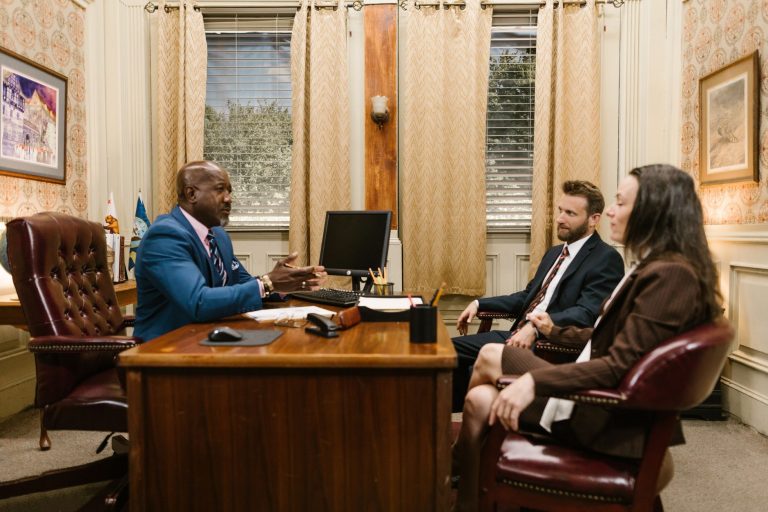
People injured on unsafe property often face questions they did not expect. They may need to consult a premises liability attorney to understand who was responsible, what caused the hazard, and whether the property owner's actions contributed to their injuries.
More Than One Party May Share Responsibility
Property ownership does not always mean that one person or business controls every part of a building. Different parties may handle daily operations, repairs, cleaning, and safety inspections. This division of duties can make it difficult to identify who should answer for an unsafe condition.
For example, a shopping center owner may hire a management company to oversee the building and separate contractors to handle repairs. If a broken stair rail causes an injury, responsibility may depend on who was assigned to inspect it, report the damage, and arrange repairs.
Possible responsible parties include:
- Property owners who fail to maintain safe conditions.
- Management companies that overlook reported problems.
- Maintenance contractors who perform repairs poorly.
- Business operators who ignore hazards in areas used by visitors.
Identifying each party's role helps establish where safety responsibilities may have been neglected.
Proving Prior Knowledge of a Hazard Is Not Always Easy
A dangerous condition may exist for hours or even days before someone gets hurt. However, property owners may argue that they had no reason to know about it. This creates an important challenge because proving negligence may require showing that the owner knew about the danger or should reasonably have discovered it.
There are two ways this knowledge may be established:
- Actual knowledge: The owner or responsible employee was directly informed about the problem, such as through a visitor complaint.
- Constructive knowledge: The hazard existed long enough that a reasonable inspection should have discovered it.
Several records may help clarify these issues, including earlier complaints, inspection reports, repair requests, and employee communications. Such information can reveal whether a warning was ignored or a problem remained unaddressed.
Changes to the Property Can Affect the Investigation
A property rarely stays the same after an accident. Spilled liquids get cleaned, damaged flooring gets replaced, and broken equipment gets repaired. These changes may improve safety, but they can also remove details that help explain how the injury occurred.
This makes early documentation especially useful. Photographs of the hazard, witness accounts, and incident reports can help preserve information about the original condition.
Other useful sources may include:
- Security camera footage: It may show how long a hazard existed or whether employees passed the area.
- Maintenance records: These can reveal earlier repairs, inspections, or repeated problems.
- Incident reports: They may contain details about the location, time, and circumstances of the accident.
Anyone who plans to consult a premises liability attorney should also ask about preserving important records before they become unavailable. Some surveillance systems automatically delete older footage, so delays may create avoidable problems.
An Injured Visitor's Actions May Become Part of the Claim
Property owners may question whether an injured visitor acted carefully. For example, they might argue that someone ignored a warning sign, entered a restricted area, or failed to notice a visible hazard.
These arguments can complicate a claim, but they do not automatically remove the owner's responsibility. The condition of the property, the visibility of the danger, and the actions of everyone involved may all matter.
For instance, a warning sign may be difficult to see because it is placed behind an object. Similarly, poor lighting may prevent visitors from noticing a damaged walking surface.
Applicable fault rules determine how responsibility is divided and whether a person's compensation may be reduced. The outcome depends on the facts and the law that applies to the claim.
The Long-Term Effects of an Injury May Be Overlooked
The full impact of a property accident is not always clear from the first medical visit. Some injuries require extended treatment, physical therapy, or changes to daily activities. Others may prevent an injured person from returning to the same job or earning the same income.
A complete claim may need to account for:
- Emergency care, hospital bills, and follow-up treatment.
- Rehabilitation and future medical needs.
- Lost wages and reduced earning ability.
- Physical limitations that affect everyday activities.
Medical records, treatment plans, and income documents can help explain these losses. Accepting an early settlement without understanding future needs may leave important expenses unaccounted for.
Finding Answers Beyond the Initial Injury
Premises liability cases involve several questions beyond identifying the dangerous condition. The responsibilities of different parties, prior knowledge of hazards, changes to the accident scene, and the injured person's actions can all affect the outcome. Each detail may influence how responsibility is established.
If an unsafe property condition has caused an injury, do not rush into decisions about a claim. Speak with an attorney, preserve available information, and learn what options may be available. Taking informed steps can help protect your interests and give your claim a clearer direction.