Brake problems often announce themselves through sound, feel, or a change in how the car stops. A grinding noise, a pedal that sinks too easily, or a steering wheel that shakes under braking each points to a different part of the system. Knowing what to notice helps you describe the problem clearly and decide when to stop driving. Start by matching each warning sign to its likely cause.
What the Warning Signs Can Tell You
A high-pitched squeal often comes from worn brake pads. Many pads have a wear indicator that makes noise as the friction material gets thin. Grinding is more urgent: it can mean the pad material is gone and metal parts are contacting the rotor. If you hear either sound, note when it occurs and whether stopping feels different, then arrange a brake repair in Knoxville that can identify pad and rotor damage before continued driving causes further wear.
A soft or spongy pedal feels different from a firm pedal that engages predictably. Air in the brake lines or low fluid can affect hydraulic pressure, so the pedal may travel farther than usual or feel less responsive. If it sinks toward the floor while you hold it, treat the change as urgent.
Vibration during braking can point to uneven rotor surfaces or another problem affecting the wheel and brake assembly. Notice whether the shake comes through the steering wheel, the pedal, or the whole car, and whether it occurs only when braking. That detail helps a technician narrow the inspection.
Why the Symptoms Need Different Checks
Brake parts work together, so one symptom does not identify one failed component on its own. For example, a pull to one side during braking can come from uneven pad wear, a sticking caliper, a rotor problem, or an issue beyond the brakes. A technician needs to inspect the system before recommending a repair.
When you arrange an inspection, describe when the symptom started and what triggers it. Mention whether the sound occurs at low speed, whether the car pulls during a stop, and whether the pedal feels different on the first press. These details give the inspection a useful starting point without assuming which part has failed.
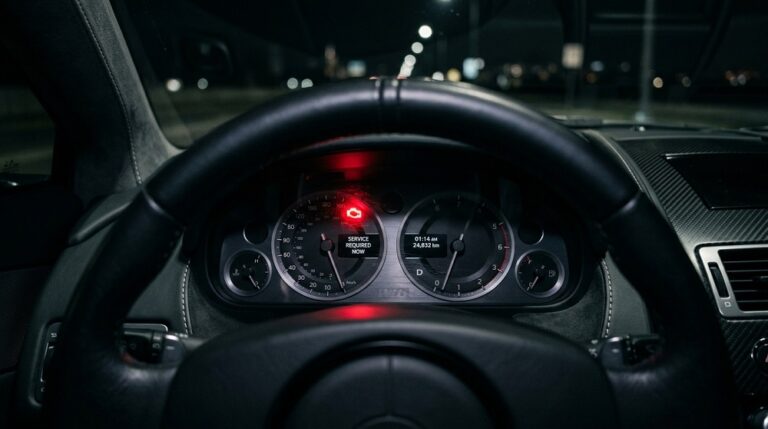
Other clues help distinguish a brake warning from a tire or suspension concern. A vibration that appears while driving without braking, for example, needs a different check than one that begins only when you press the pedal. Dashboard brake or ABS lights also deserve prompt attention, even if the car still seems to stop normally.
What to Do When Braking Changes
If the brakes grind, the pedal feels unusually soft, or stopping takes longer, avoid unnecessary trips and promptly arrange for an inspection. If the pedal drops toward the floor or the car cannot slow reliably, do not continue driving it. Pull over somewhere safe and arrange assistance.
Before calling for service, record the warning signs while the details are fresh. Note the sound, the conditions that bring it on, any dashboard lights, and whether the car pulls or vibrates. Do not crawl under the vehicle or touch hot brake parts to investigate. A clear description is more useful than a guess about the cause.
A brake warning light can indicate a system concern, while an ABS light points to the anti-lock braking system. Neither should be ignored simply because the pedal still feels normal. Check the owner’s manual for the specific warning, then arrange a professional inspection rather than relying on a light reset.
What a Complete Brake Inspection Covers
A useful inspection checks more than the part that first drew attention. Pad thickness, rotor condition, caliper movement, brake lines, fluid, and the master cylinder all affect braking. If the car has ABS, diagnostics can also check its sensors and related components.
Ask the technician to explain what they found, which parts need repair now, and which items should be monitored. A good explanation connects the symptom to visible wear or a test result. It also separates necessary work from routine maintenance, such as a fluid flush when inspection shows moisture or contamination.
After repairs, pay attention to whether the original symptom has stopped. A short, careful check in a safe area can confirm that the pedal feels consistent and the car stops without pulling or shaking. If the same warning returns, report it promptly instead of assuming the system only needs time to settle.
Conclusion
Treat a change in brake noise, pedal feel, or stopping behavior as information, not background noise. Note exactly when it happens, avoid driving if the car cannot stop reliably, and request an inspection that covers the full braking system. A precise description helps narrow the search, while a clear explanation of the findings helps you choose the next repair step with confidence.