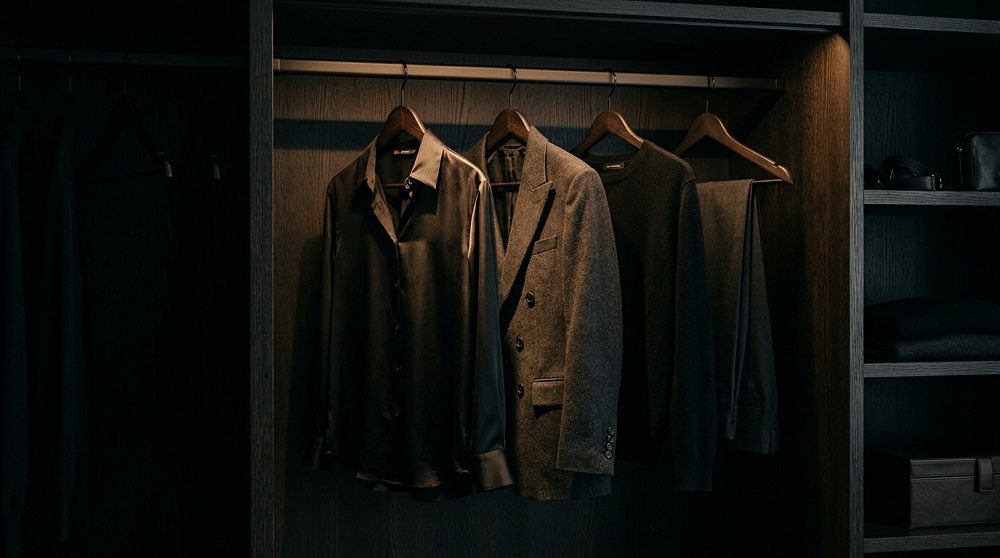
There’s a common misconception that a capsule wardrobe — that perfectly curated collection of versatile, timeless pieces — is only for people with designer budgets and Pinterest-perfect lives. But honestly? That couldn’t be further from the truth. A capsule wardrobe is actually one of the most budget-friendly approaches to dressing well, because the whole point is buying less and wearing more.
Let’s break down exactly how to build one without draining your bank account.
First Things First — What Even Is a Capsule Wardrobe?
A capsule wardrobe is a small, intentional collection of clothing where every single piece works with everything else. No random impulse buys that go with nothing. No drawer full of “maybe someday” items. Just a focused set of versatile pieces that mix, match, and multiply into countless outfits.
The typical capsule wardrobe contains anywhere from 30 to 50 pieces — including clothes, shoes, and accessories. The fewer decisions you have to make getting dressed, the more mental energy you save for things that actually matter.
Step 1 — Start With a Wardrobe Audit
Don’t Buy Anything Yet
Before spending a single penny, go through everything you already own. Pull it all out — yes, all of it — and sort it into three piles:
- Keep — Things you love, wear regularly, and feel great in
- Maybe — Things you haven’t worn in over a year but aren’t sure about
- Let go — Things that don’t fit, don’t suit you, or you simply don’t reach for
Be ruthless but realistic. The goal is clarity. Once you see what you actually have, you’ll know exactly what’s missing — and avoid buying duplicates of things you already own.
Step 2 — Define Your Color Palette
This is one of the most important and most overlooked steps. A capsule wardrobe only works if everything coordinates. That means choosing a palette of two or three neutral base colors and one or two accent colors, then sticking to it.
Reliable Neutral Bases
- Black, white, grey
- Navy, camel, beige
- Olive, cream, tan
Accent Color Ideas
- Rust, burgundy, forest green
- Dusty blue, terracotta, mustard
When every piece in your wardrobe shares a color language, getting dressed becomes effortless — and you stop buying things that don’t go with anything.
Step 3 — Know Your Core Pieces
The Building Blocks of a Budget Capsule Wardrobe
You don’t need everything at once. Start with these foundational pieces and build gradually:
Tops
- Two or three plain fitted t-shirts in neutral colors
- One or two casual button-down shirts
- One simple long-sleeve or lightweight knit top
- One versatile blouse or smart casual top
Bottoms
- One pair of well-fitting dark jeans
- One pair of tailored trousers or chinos
- One casual skirt or shorts depending on your lifestyle
Layers
- One classic white or neutral blazer
- One lightweight jacket or denim jacket
- One cozy knit sweater or cardigan
Shoes
- One pair of clean white sneakers
- One pair of ankle boots or loafers
- One pair of casual sandals or flats
Extras
- One versatile dress that works dressed up or down
- One quality bag that goes with everything
- Two or three simple accessories — a belt, a scarf, minimal jewelry
Step 4 — Shop Smart on a Budget
You Don’t Need to Spend Big to Buy Well
Thrift and Secondhand First
Always check thrift stores, consignment shops, and resale platforms before buying new. Depop, ThredUp, Poshmark, and Facebook Marketplace are goldmines for quality pieces at tiny prices. Patience pays off — check regularly and you’ll find exactly what you need.
Wait for Sales on Basics
For brand-new basics like plain t-shirts, underwear, or socks, wait for end-of-season sales. Retailers heavily discount these items regularly. Stock up on neutrals when the price is right.
Invest Selectively
On a tight budget, be strategic about where you spend more. A quality pair of jeans, a well-made coat, or a durable pair of boots are worth the extra investment because they’ll last years. Spend less on trendy or seasonal pieces.
Cost Per Wear Thinking
Before any purchase, divide the price by how many times you realistically expect to wear it. A $80 pair of boots worn 200 times costs $0.40 per wear. A $15 trendy top worn twice costs $7.50 per wear. Suddenly the math looks very different.
Step 5 — Build Gradually, Not All at Once
One of the biggest budget mistakes people make is trying to build their entire capsule wardrobe in one shopping trip. That’s not a capsule wardrobe — that’s just a shopping spree with a fancy name.
Instead, identify the two or three most critical gaps in your wardrobe and focus on filling those first. Then add one or two pieces per month as your budget allows. Slow and deliberate beats fast and regrettable every single time.
Step 6 — Care for What You Own
A capsule wardrobe is only cost-effective if your pieces actually last. Treat them well.
- Wash on gentle cycles with cold water
- Air dry whenever possible to prevent shrinking and fabric damage
- Store knits folded, not hung, to maintain their shape
- Use proper hangers for structured pieces like blazers and coats
- Address small repairs — loose buttons, minor tears — before they become bigger problems
Clothes that are well cared for can last five to ten years or more. That’s real money saved.
What a Budget Capsule Wardrobe Might Actually Cost
To give you a realistic picture — building a functional capsule wardrobe from scratch, mixing secondhand finds with strategic new purchases, can realistically be done for anywhere between $150 and $400 depending on your location and needs. That might sound like a lot upfront, but when you stop buying things impulsively and start wearing everything you own, most people actually spend significantly less on clothing overall.
Final Thoughts
A capsule wardrobe on a budget isn’t a compromise — it’s actually the purest version of the concept. It forces you to be intentional, creative, and genuinely thoughtful about what you own and why you own it.
You don’t need more clothes. You need the right clothes.
Start where you are, use what you have, and build from there. The wardrobe that actually works for your life is closer — and more affordable — than you think.