
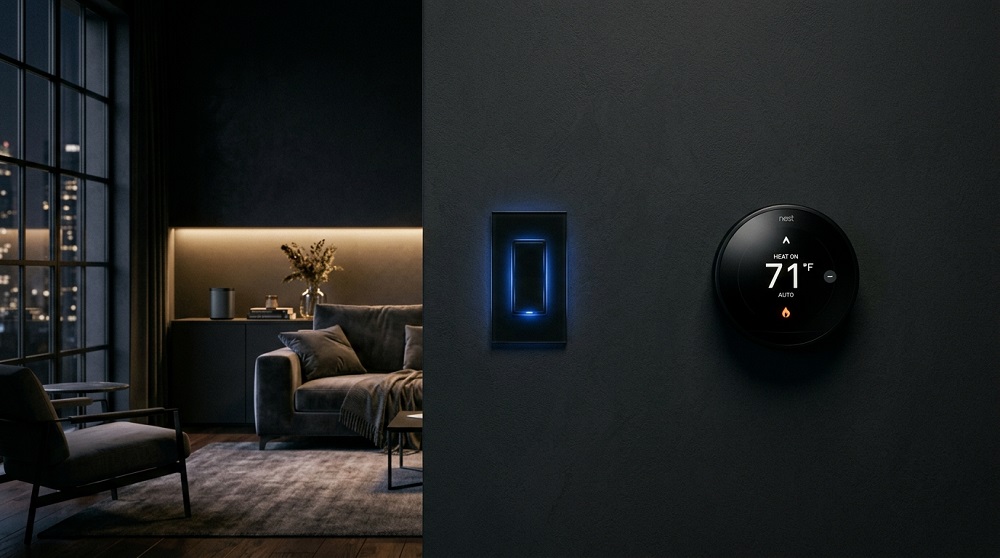
Not too long ago, smart home technology felt like something out of a science fiction movie — or at the very least, something reserved for tech enthusiasts with deep pockets and a lot of patience for complicated setups. That’s simply not the case anymore. Smart home devices have become more affordable, more intuitive, and genuinely more useful than ever before.
Whether you’re just starting to explore the smart home world or looking to expand what you already have, here’s a breakdown of the devices actually worth your attention right now.
1. Smart Speakers and Voice Assistants
The Hub of a Smart Home
If there’s one device that ties a smart home together, it’s a good smart speaker. Amazon Echo and Google Nest devices remain the most popular choices — and for good reason. They act as central command for your other smart devices, answer questions, set reminders, play music, control your calendar, and manage routines with simple voice commands.
For most people, starting here makes the most sense. Once you have a voice assistant in place, every other smart device you add becomes significantly more useful.
2. Smart Thermostats
Comfort, Convenience, and Real Savings
Smart thermostats are one of the few smart home devices that genuinely pay for themselves over time. The Google Nest Thermostat and Ecobee are standout options — both learn your schedule and temperature preferences, adjust automatically, and can be controlled remotely from your phone.
The energy savings alone make them worth considering. Heating and cooling account for a significant chunk of most household energy bills, and a smart thermostat optimizes both without you having to think about it.
3. Smart Lighting
Simple Upgrade, Huge Impact
Swapping out traditional bulbs for smart alternatives like Philips Hue or LIFX is one of the easiest and most satisfying smart home upgrades you can make. Control your lights from your phone, set schedules, dim them without a dimmer switch, and even change colors to match your mood or the time of day.
Beyond convenience, smart lighting also contributes to energy efficiency — scheduling lights to turn off automatically means you’re never paying for a room that’s been lit up empty for hours.
4. Smart Security Cameras and Video Doorbells
Peace of Mind You Can Actually Check on Your Phone
Home security has been transformed by smart devices. Video doorbells like the Ring or Nest Doorbell let you see and speak to whoever is at your door from anywhere in the world — whether you’re upstairs, at work, or across the country. Motion alerts, package detection, and night vision make these devices genuinely practical rather than just impressive.
Pair a video doorbell with one or two outdoor security cameras and you have a solid home monitoring setup that would have cost a small fortune just a decade ago.
5. Smart Locks
Rethink How You Think About Keys
Forgetting your keys is officially a thing of the past with smart locks. Brands like August, Schlage, and Yale offer locks that can be unlocked via your phone, a PIN code, or even a fingerprint. You can grant temporary access to guests, service workers, or family members remotely — and receive alerts every time your door is locked or unlocked.
Most smart locks also install directly onto your existing deadbolt, meaning you don’t need to replace the lock itself. Installation is surprisingly straightforward.
6. Robot Vacuums
The Smart Home Device People Love Most
Ask anyone who owns a robot vacuum whether they’d go back — the answer is almost always a firm no. Devices like the Roomba and Roborock have become remarkably capable. They map your home intelligently, avoid obstacles, clean on schedules, and return to their docking stations automatically.
For busy households, the time saved adds up to something genuinely meaningful. It’s one of those devices you don’t realize how much you needed until you have one.
7. Smart Plugs
The Budget-Friendly Entry Point
If you want to dip your toes into smart home technology without spending much, smart plugs are the perfect starting point. Simply plug them into any existing outlet and they instantly make whatever is plugged into them smart — lamps, fans, coffee makers, phone chargers.
Control them remotely, set schedules, and monitor energy usage — all for around ten to twenty dollars per plug. It’s one of the most affordable ways to meaningfully upgrade your home’s functionality.
8. Smart Air Quality Monitors
An Underrated but Important Addition
Indoor air quality is something most people never think about — but it has a real impact on health, sleep, and overall wellbeing. Smart air quality monitors like the Airthings Wave or Amazon Halo Rise track things like CO2 levels, humidity, temperature, and volatile organic compounds in your home.
When levels aren’t ideal, you get notified so you can open a window, run a purifier, or adjust your environment. For families with young children, elderly members, or anyone with respiratory sensitivities, this is a genuinely worthwhile investment.
Tips for Building Your Smart Home Wisely
Start With One Ecosystem
Mixing brands and ecosystems can create compatibility headaches. Decide early whether you’re building around Amazon Alexa, Google Home, or Apple HomeKit — and try to stick to devices that play nicely within that ecosystem.
Prioritize Your Biggest Pain Points
Don’t buy smart devices just because they exist. Think about the daily frustrations or inconveniences in your home and look for devices that solve those specific problems. That’s where smart home technology delivers its best value.
Security Matters
Smart devices are connected to your home network. Use strong, unique passwords for your router and all smart accounts, enable two-factor authentication where available, and keep device firmware updated regularly.
Final Thoughts
The smart home isn’t a distant futuristic concept anymore — it’s a practical, accessible reality for most households. And you don’t need to automate everything at once. Start with one or two devices that solve real problems in your daily life, get comfortable with how they work, and build from there.
A smarter home should make your life simpler, not more complicated. When you get that balance right, the results are genuinely impressive.
Start small. Think practical. Build smart.