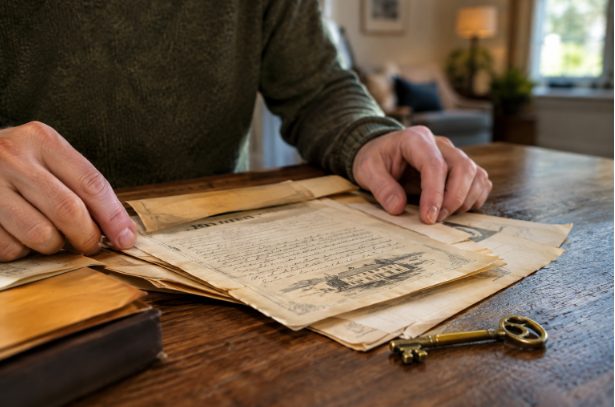

- Set a realistic budget that includes all homeownership costs.
- Review your credit, income, debts, and mortgage options before buying.
- Save for the down payment, closing costs, taxes, and unexpected repairs.
- Explore first-time buyer programs and check eligibility requirements.
- Compare Kingston homes based on condition, location, and long-term expenses.
- Review offer conditions and mortgage terms before committing.
- Prepare documents, funds, and insurance requirements ahead of closing.
Buying a first home in Kingston can feel exciting and overwhelming at the same time. From older limestone homes near the city core to condos, townhomes, and family properties in surrounding neighborhoods, each option comes with different costs and responsibilities. Starting with a clear plan helps you focus on a home that supports your life instead of stretching your finances too far. A local mortgage broker Kingston Ontario can help you understand borrowing options, but your own budget should lead every decision. The goal is not simply to qualify for a mortgage. It is to buy a home while retaining enough flexibility for repairs, regular expenses, savings, and the unexpected.
Build a Realistic Budget Before You Start Viewing Homes
A lender's maximum approval amount is not necessarily a comfortable spending limit. Begin with your take-home income and subtract all regular expenses, including groceries, transportation, childcare, debt payments, savings contributions, and personal spending. Then estimate the full monthly cost of owning the home. Include the mortgage payment, property taxes, home insurance, utilities, internet, maintenance, and condo fees where applicable. A lower-priced condo may still carry significant monthly fees, while a detached home may require more spending on heating, snow removal, landscaping, and repairs. Leave room for an emergency fund. A home that appears affordable on paper can become stressful if a furnace repair, vehicle expense, or temporary income interruption consumes every available dollar.
Check Your Financial Readiness
Before booking showings, review the financial details a lender is likely to examine. Stable, documentable income is important, as are manageable debt payments and a healthy record of paying credit accounts on time. Avoid applying for unnecessary new credit or taking on a large loan while preparing to buy. If you are purchasing with a partner, discuss ownership shares, how expenses will be divided, and what would happen if one person needs to move or contribute less income. Having clear conversations before making an offer can prevent difficult surprises later.
Save for the Down Payment and Closing Costs
Your down payment is only part of the cash required to complete a purchase. Set aside funds for the deposit, legal fees and disbursements, home inspection, appraisal if required, title insurance, moving costs, property tax adjustments, and immediate repairs or appliance replacements. Ontario land transfer tax is another cost to plan for. Eligible first-time buyers may qualify for a refund of all or part of the tax, subject to conditions such as ownership history, residency status, and occupancy requirements. Review the first-time homebuyer land transfer tax refund rules before relying on the potential savings in your budget.
Understand Mortgage Basics and Get Pre-Approved
A fixed-rate mortgage keeps the interest rate unchanged for the agreed-upon mortgage term, while a variable-rate mortgage can change with the lender's pricing. The amortization is the total repayment period, and the term is the length of the current mortgage contract. These are different concepts, and both affect your payment and future renewal decisions. Do not choose solely by the advertised rate. Ask about prepayment privileges, portability, penalties for breaking the mortgage early, payment flexibility, and whether the product fits your expected time in the home. A pre-approval is a useful planning step, not a final promise of financing. Lenders may review income, employment, credit history, existing debt, the source of the down payment, bank statements, and expected housing costs. Gather identification, recent pay statements, employment confirmation, tax documents, account statements, gift letters if applicable, and details of outstanding loans.
Review First-Time Buyer Programs Carefully
Eligible buyers may use a First Home Savings Account, the Home Buyers' Plan, and certain tax credits or rebates to help with a first purchase. An FHSA has contribution limits, while the Home Buyers' Plan allows qualifying buyers to withdraw funds from an RRSP under program rules and repayment requirements. The federal government outlines these options within its home-buying guidance for Canadians. Program eligibility can depend on your ownership history, the type of property, timing, and other personal circumstances. Confirm current rules with a qualified tax professional, lender, or lawyer before making decisions around expected program funds.
Compare Kingston Homes by Their Total Cost
Listing price alone does not tell the full story. When comparing properties, ask about the age and condition of the roof, windows, electrical system, plumbing, heating equipment, and foundation. Older homes can have character and central locations, but they may also require a larger repair reserve.
- Estimate the complete monthly housing cost for each property.
- Review condo fees and what services or reserve funds they support.
- Consider commuting, parking, utility, and maintenance costs.
- Ask whether the home would still work if your household size or income changed.
- Investigate property-specific concerns, including drainage, insurance availability, and required repairs.
Make a Careful Offer
An offer normally addresses the purchase price, deposit, closing date, fixtures or appliances included, and conditions. Financing and home inspection conditions can protect you when appropriate for the transaction. For condominiums, reviewing the status certificate can also be an important step. Do not remove a condition simply because an offer feels competitive. A rushed decision without satisfactory financing, inspection results, or document review can create expensive risks after closing.
Prepare for Closing Day
Once an offer is accepted, stay organized. Complete lender requests promptly, arrange home insurance before the lender's deadline, provide closing funds to your lawyer or notary as instructed, review the statement of adjustments, and complete a final visit if permitted. Avoid changing jobs, financing a vehicle, making large purchases, or opening new credit accounts before closing without speaking with your lender. Financial changes can affect final mortgage approval.
Avoid Common First-Time Buyer Mistakes
- Shopping before establishing a complete monthly budget.
- Using every available dollar for the down payment.
- Forgetting land transfer tax, legal fees, and moving costs.
- Focusing only on interest rate instead of mortgage terms.
- Assuming pre-approval is the same as final approval.
- Relying on verbal promises rather than written terms.
Final Checklist
Before closing, take the time to review every financial, legal, and practical detail to ensure nothing important has been overlooked. Confirm that your overall budget accounts for the purchase price, closing costs, moving expenses, and any immediate repairs or improvements the property may need. Review your credit information and required documents, and ensure your down payment and remaining closing funds are available by the applicable deadlines. It is equally important to understand your mortgage terms, including the interest rate, repayment schedule, monthly obligations, and any conditions attached to the loan. Compare property-related costs such as taxes, utilities, maintenance, and insurance to ensure they fit comfortably within your budget. Check that all offer conditions have been satisfied, arrange the necessary insurance coverage, and provide your lawyer or notary with the documents and information needed to complete the transaction. Keep communication open with your lender, real estate agent, and legal representative so any outstanding questions can be addressed before signing. A methodical final review can help reduce last-minute complications and make it easier to enjoy receiving the keys on closing day.