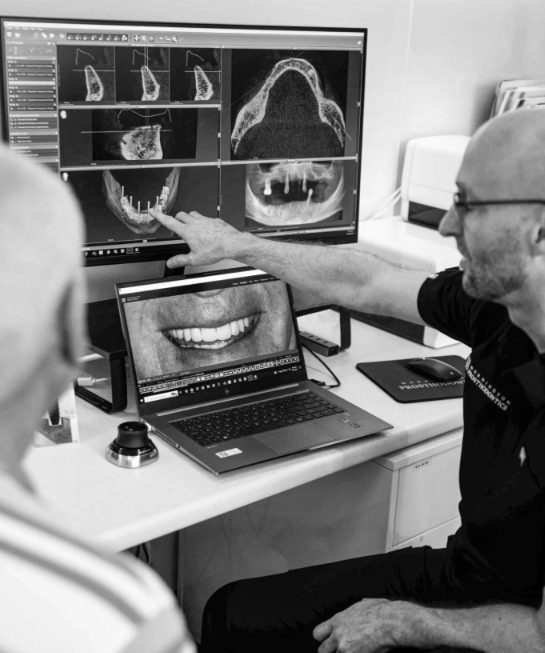
For people living with multiple failing teeth or struggling with loose, uncomfortable dentures, full-arch implant treatment can be an appealing option. It offers fixed replacement teeth supported by a small number of implants, rather than removable dentures. But it's a significant treatment, and it isn't right for everyone. If you're researching all on 4 dental implants mornington patients ask about, understanding the factors that affect suitability can help you prepare for your consultation and ask the right questions.
This article provides general information only. Suitability can only be determined through a thorough clinical assessment by a qualified dental practitioner.
What is Full-Arch Implant Treatment?
Full-arch implant treatment, commonly known by the brand name All-on-4, replaces an entire arch of teeth with a fixed bridge supported by a small number of dental implants placed in the jawbone. In many cases, the implants are positioned strategically to make the best use of available bone. Often, a provisional bridge can be attached soon after the implants are placed, with a final bridge fitted once healing is complete.
Because the bridge is fixed, it isn't removed by the patient for cleaning like a conventional denture, although it can be removed by your dental team for maintenance.
The Assessment Process
Before recommending treatment, your dental team will conduct a detailed assessment. This usually includes a review of your medical and dental history, a thorough clinical examination, X-rays and often a three-dimensional cone beam CT scan to assess bone volume and anatomy, and a discussion about your goals, concerns and expectations.
This process helps determine whether full-arch implants are suitable and allows treatment to be carefully planned.
Key Factors That Affect Suitability
Bone Volume and Quality
Implants need sufficient bone to support them. After teeth are lost, the jawbone can gradually shrink over time. One reason full-arch treatment is popular is that implants can often be angled to make use of available bone, which may reduce the need for bone grafting in some cases. However, if bone loss is severe, additional procedures or alternative approaches may be required.
General Health
Your overall health plays an important role in how well you heal. Conditions such as poorly controlled diabetes, certain autoimmune conditions and some medications can affect healing and implant success. It's important to give your dental team a complete picture of your health, including all medications and supplements. In some cases, your dentist may liaise with your doctor before treatment.
Smoking and Vaping
Smoking is associated with a higher risk of implant complications and failure, as it affects blood flow and healing. Vaping may also affect oral health. If you smoke, your dental team will likely strongly recommend quitting before and after treatment. Healthdirect offers resources and support for anyone looking to quit smoking.
Gum Health
Active gum disease needs to be managed before implant treatment. A history of gum disease doesn't automatically rule you out, but it does mean ongoing maintenance will be especially important to protect your implants long term.
Teeth Grinding
Heavy grinding or clenching places additional forces on implants and prosthetic teeth. If you grind your teeth, your dental team may recommend a protective night guard or adjust the design of your bridge to help manage these forces.
Commitment to Oral Hygiene and Maintenance
Implants don't decay like natural teeth, but the tissues around them can become inflamed and infected if plaque isn't controlled. Successful long-term outcomes depend on daily cleaning at home and regular professional maintenance appointments. Your willingness to commit to this ongoing care is an important part of suitability.
Realistic Expectations
A good outcome also depends on understanding what treatment can and can't achieve. Your dental team will discuss the expected timeline, the healing process, the difference between provisional and final bridges, potential risks and the costs involved, so you can make an informed decision.
What if Full-Arch Implants Aren't Suitable?
If full-arch treatment isn't the right option, there are often alternatives. These may include conventional dentures, implant-retained overdentures that clip onto a smaller number of implants, bone grafting to build up the jaw before implant placement, or other implant approaches for people with significant bone loss. Your dental team will explain the options that suit your circumstances.
Questions to Ask at Your Consultation
Consider asking who will be involved in your treatment and their qualifications, what the full treatment timeline looks like, what the total cost will be, including the final bridge, what the risks are, how long the provisional and final bridges are expected to last and what ongoing maintenance will involve.
Preparing for Your Consultation
Before your appointment, write down your main concerns, list all medications and supplements you take and gather any recent dental X-rays or records. Think about what matters most to you, whether that's appearance, the ability to eat a wider range of foods, comfort or avoiding removable dentures. Sharing these priorities helps your dental team tailor their recommendations, and bringing a family member or friend along can help you remember the details discussed.
Final Thoughts
Full-arch implant treatment can be life-changing for the right patient, but suitability depends on many factors, including bone volume, general health, smoking, gum health and a commitment to ongoing care. A thorough assessment with an experienced dental team is the best way to find out whether it's right for you. Take your time, ask questions and choose the option that best supports your long-term oral health.