
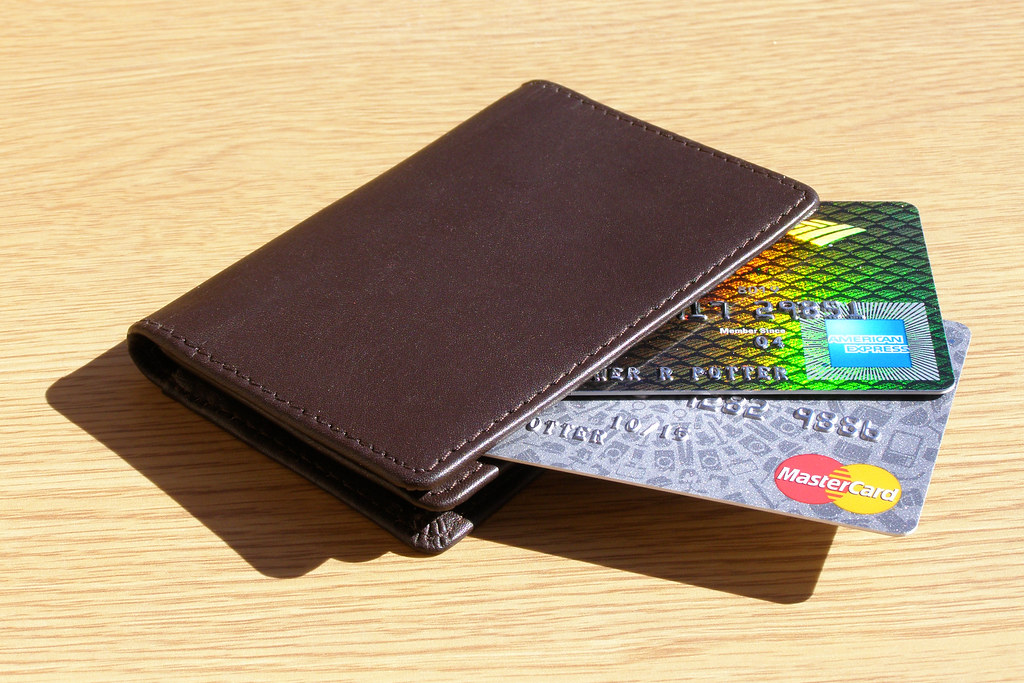
Rewards programs are not just about saving money. They are also built to shape behavior. Points, rotating categories, milestone bonuses, countdowns, and app notifications can turn ordinary spending into an ongoing game. The real trap is not that rewards exist. It is that the design can quietly move your attention away from cost, timing, and need, and toward chasing the next small win.
That shift matters because credit cards are still debt tools first. If your budget is already tight, it is often smarter to simplify and reduce expensive borrowing than to keep forcing spending through a rewards system or scramble to find an affordable car title loan after cash flow gets pinched.
A lot of people assume they are winning as long as they pay on time and collect points. But gamification changes spending in smaller, sneakier ways. You buy earlier because a promo is ending soon. You split purchases across cards to maximize categories. You justify an extra restaurant meal because the return feels like a discount. None of those choices looks dramatic on its own. Together, they can distort your budget.
When rewards stop being a rebate
The problem begins when rewards become the reason for the purchase. At that point, the value calculation flips. A three percent return is meaningless if you spend one hundred percent on something you would have skipped. Even worse, if you carry that balance, interest can erase the reward quickly. The CFPB explains in its guidance on how credit card interest is calculated that many issuers calculate interest daily based on the average daily balance, and that paying in full by the due date can help you avoid interest on purchases when a grace period applies.
The hidden psychology of progress bars and bonus windows
Progress bars are especially powerful because they make partial effort feel like ownership. If you already spent six hundred dollars toward a bonus, the next two hundred can feel worth it even if the purchases are weak. Limited time multipliers do something similar. They compress decision making and encourage spending now instead of later.
This does not mean every card feature is manipulative by itself. It means you should treat these features as prompts, not instructions. If an offer expires before it fits your budget, let it expire. Missing a bonus is cheaper than manufacturing spending.
Why paying in full is not the whole story
Paying in full is the baseline, not the full test. A rewards card can still create trouble if it pushes your monthly spending above what your bank balance can comfortably support. That is how people end up floating expenses for a few weeks, hoping the next paycheck catches up.
Minimum payment logic can also make this feel safer than it is. The CFPB says card issuers must show how long it could take to pay off a balance with only minimum payments, and it notes that paying only the minimum can leave someone in debt for years. That disclosure matters because a gamified card can make a growing balance look normal as long as the minimum is manageable.
There is also a tax myth that sometimes sneaks into casual money talk. Personal credit card interest is generally not deductible. The IRS states in Topic no. 505 on interest expense that credit card and installment interest for personal expenses is not deductible. So if rewards lead to carried balances, there is no tax break softening the cost.
Rules that keep the game from running you
- Use one main card for most spending.
- Turn off promotional notifications.
- Redeem rewards on a schedule instead of checking the balance constantly.
- Set a monthly spending cap by category before the month starts.
- Ignore bonuses that require extra purchases.
- Wait one day before making any purchase that is mainly motivated by a points offer.
The goal is to reduce decision points. The more often you ask, “Which card should I use here?” the easier it is for the game to take over. Simplicity protects attention.
It also helps to review your statement for patterns, not just totals. Look for repeat situations where rewards changed your behavior. Did you place a larger order to reach free shipping and bonus points at the same time? Did you move a routine purchase forward just because a category was ending? Did you treat a statement credit like found money and spend more elsewhere? Those patterns tell you whether the card is serving your plan or rewriting it.
A better definition of winning
If a rewards program makes you spend earlier, spend more, or think about money more than necessary, it is costing more than it gives back. The safest way to beat the gamification trap is to treat rewards as a side effect of good budgeting, not a goal worth chasing. When the points come from purchases you were already going to make, they can be useful. When they start steering the plan, the game is already winning.