
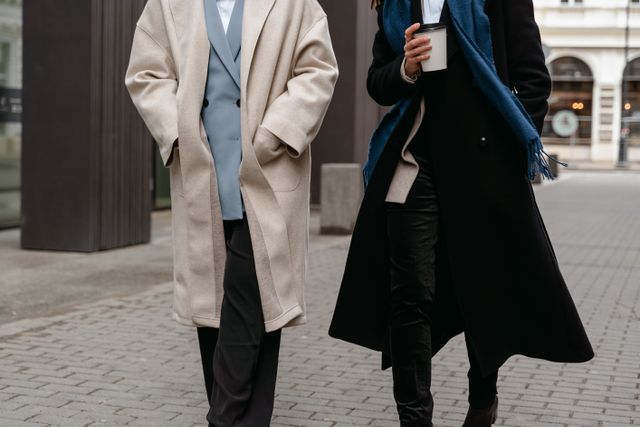
How do you balance looking polished and put-together while staying comfortable no matter what the weather throws at you? This question challenges many people who want to maintain their personal style without sacrificing practicality. The good news is that dressing well for any weather doesn’t require choosing between fashion and function. With thoughtful planning and strategic layering, you can create outfits that work with nature’s conditions while reflecting your individual aesthetic.
Understanding Your Climate’s Seasonal Patterns
Before you build an outfit, spend time observing the specific weather patterns of your region throughout the year. Different climates demand different approaches, and what works in a humid subtropical area won’t necessarily translate to a dry mountain climate. Pay attention to temperature ranges, humidity levels, wind speeds, and precipitation frequency during each season. This awareness allows you to make intentional purchases and styling choices that truly serve your lifestyle rather than fighting against it.
Consider keeping a weather journal for two to three weeks, noting not just the temperature but how the air feels on your skin and what clothing performed well or poorly. This personal data becomes invaluable when shopping for new pieces or planning weekly outfits. Understanding that your area experiences dramatic temperature swings from morning to afternoon helps you prioritize versatile layering pieces that can be added or removed throughout the day.
Building a Versatile Layering Foundation
Layering is the cornerstone of dressing well for unpredictable weather while maintaining style. A strong foundation typically includes lightweight base layers, fitted mid-layers, and structured outer layers that can be mixed and matched. Quality base layers in neutral colors like white, gray, black, and cream serve as invisible anchors that work under virtually any outfit. Mid-layers such as cardigans, sweaters, and structured jackets add both warmth and visual interest while remaining easy to remove.
The key to effective layering is choosing pieces that coordinate across your wardrobe without adding bulk. A tailored cardigan in a neutral tone pairs with professional trousers just as easily as it does with casual jeans, making it an efficient investment. When selecting outer layers like blazers, denim jackets, or structured coats, prioritize classic silhouettes that won’t feel dated in a season or two. This approach ensures that each piece works overtime in your closet, creating more outfit combinations from fewer individual items.
Choosing Fabrics That Work with Weather Conditions
Fabric selection dramatically impacts how well your clothes perform in various weather conditions while still maintaining a polished appearance. Natural fibers like cotton, linen, and wool offer breathability and moisture-wicking properties that synthetic alternatives often lack. During warm months, linen and lightweight cotton blends allow air circulation and dry quickly if you encounter unexpected humidity or light rain. In cooler seasons, wool provides insulation without excessive bulk, and merino wool blends offer the added benefit of temperature regulation and odor resistance.
Pay attention to fabric weight and weave structure when shopping for new pieces. A tightly woven cotton will repel light drizzle better than a loose jersey knit, while a structured wool blend holds its shape better than a loosely constructed fabric. For those in areas with high humidity, moisture-wicking blends prevent that uncomfortable damp feeling that can make even lightweight clothing feel restrictive. Understanding these technical differences helps you make purchases that serve both your style preferences and your actual climate needs.
Selecting Colors and Patterns for Seasonal Appropriateness
Color choices and pattern selections should shift with the seasons to create a cohesive, intentional wardrobe that feels fresh and appropriate throughout the year. Lighter colors and brighter hues naturally feel right in spring and summer, while deeper jewel tones and earth tones suit fall and winter better. This isn’t a rigid rule, but rather a guideline that helps you create outfits that feel harmonious with their seasonal context. Neutral foundation colors in each season allow you to anchor outfits while seasonal accent colors keep your look current.
Patterns offer another dimension for seasonal dressing. Floral and striped prints naturally evoke warmth and brightness, while plaid textures and rich geometrics feel appropriate for colder months. A bold geometric pattern can make a striking statement in a professional setting if it anchors an otherwise understated outfit, while an overly busy pattern can feel chaotic when combined with other visual elements. Strategic pattern use allows you to express personality while maintaining polish across different weather seasons.
Planning Your Wardrobe Capsule Around Weather Transitions
Creating a capsule wardrobe that accounts for weather transitions prevents wasteful purchasing and ensures you always have appropriate pieces on hand. Start by identifying your climate’s main weather categories throughout the year rather than thinking in traditional seasons. You might experience “cool and dry,” “warm and humid,” “cold and wet,” and “moderate transition” periods, each calling for five to seven versatile pieces that layer well and coordinate with your neutral foundation. This approach reduces decision fatigue and makes getting dressed faster since every piece works with multiple others.
When you add new items, evaluate whether they fit into existing outfits and weather categories rather than treating them as standalone purchases. This discipline prevents closet creep, where you accumulate clothes that don’t truly serve your lifestyle. A thoughtfully curated capsule wardrobe aligned with your actual climate means less time spent deciding what to wear and more confidence in your choices.
Investing in Key Outerwear and Accessories
Your outerwear and accessories serve as the finishing touch that ties weather-appropriate dressing to overall style. A well-constructed jacket or coat in a neutral color becomes the visual anchor for countless outfits while providing necessary protection. Consider investing in two to three key outerwear pieces that cover your different weather scenarios: a lightweight waterproof layer, a structured wool coat, and perhaps a denim or leather jacket. For parents dressing younger family members during cold-weather outings, girls coats and jackets designed with both warmth and style in mind ensure kids stay comfortable and look put-together through every seasonal transition.
Accessories like scarves, hats, and gloves extend the visual life of your outfits while serving practical purposes in harsh weather. A quality wool scarf adds warmth, texture, and color interest to neutral outfits while being easy to remove if the weather warms unexpectedly. Waterproof boots that align with your style provide protection during wet weather while finishing an outfit professionally. These pieces don’t need to be expensive, but they should be chosen intentionally to work with your established color palette and personal aesthetic.
Conclusion
Dressing well for both weather and fashion is an achievable goal that requires observation, intentional choices, and strategic layering. By understanding your specific climate, building a foundation of versatile pieces, and selecting fabrics and colors thoughtfully, you create a wardrobe that works with nature rather than against it. Practical dressing and stylish dressing are not opposing forces; they work together when you make informed choices about fabrics, layering, and seasonal appropriateness. As you refine your approach over several seasons, getting dressed becomes easier and your confidence in your appearance grows naturally.