By a ski and travel industry contributor
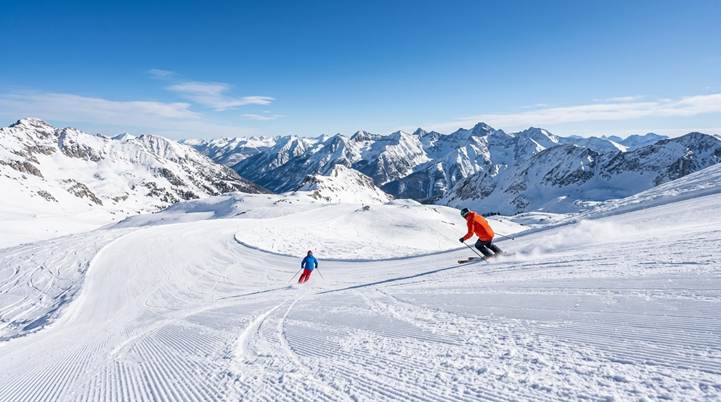
Arapahoe Basin has a reputation for steep runs and high-up bowls. For decades, it’s been known as “The Legend” because of its tough, expert-level slopes. This reputation can scare away intermediate skiers and families, who might choose easier-looking resorts. But that reputation, while true, doesn’t tell the whole story. It hides the variety of runs you can find all over the mountain.
If you only think about the expert runs, you miss out on the smooth blue trails in the Beavers area or the easy learning slopes near the bottom. The trick is to match your group’s skill level to the right part of the mountain. A good trip here takes more than just a lift ticket. You need to understand how to handle the high altitude and the weather changes at a resort on the Continental Divide. Getting the details right for arapahoe basin colorado is key, since things like parking and lift ticket access can change each year.
This ski area is in the White River National Forest, which is a big part of the state’s outdoor fun economy. According to U.S. Forest Service findings reported by The Colorado Sun, the forest drives an economic impact of nearly $1.6 billion. Your visit is part of this important local system, so planning ahead matters.
Quick answer: Arapahoe Basin’s reputation for only having expert runs is old news. It has some of the toughest runs in North America, but it also has plenty of trails for intermediate and beginner skiers. Its high elevation and unique geography give it one of the longest ski seasons on the continent.
What’s inside
· What Makes A-Basin’s Terrain So Unique?
· How to Navigate the Mountain by Skill Level
· Beyond Skiing: What Is the Via Ferrata?
· Frequently Asked Questions
What Makes A-Basin’s Terrain So Unique?
Its spot on the Continental Divide at a very high altitude creates its own weather. This leads to special, challenging terrain and one of the longest ski seasons in North America.
The mountain’s base sits at 10,780 feet, and its summit lift reaches 12,456 feet, with hike-to terrain pushing above 13,000 feet. This high altitude is the main reason for its long season, which can go from October to June or even July. The cold, dry air keeps the snow in great shape. Lower resorts often need to make a lot of snow, but A-Basin’s long season comes from its natural location. This setting attracts skiers and is a big part of the area’s economy.
The mountain sits on the Continental Divide, a line of high ground that affects weather across the continent. This means storms hit it from different directions, and the wind is always shaping the snow. This creates the resort’s famous features: steep, rocky runs, wide-open bowls, and deep pockets of wind-blown snow. To ski the mountain well, you need to know this. Conditions can change fast from one side of a slope to another depending on wind and sun.
❝ A good rule of thumb here is to follow the sun. Start your day on east-facing slopes like those off the Lenawee lift for softer morning snow. As the day progresses and the sun moves, move over to the west-facing terrain in the Beavers or the Steep Gullies to find the best conditions.
This mix of high altitude and location creates a challenging environment. The slopes are more natural and not as perfectly groomed as at other resorts. Skiers need to be ready for changing conditions. You might find hard, wind-blown snow right next to deep powder. This takes more awareness and skill, but it’s also what makes the area special and brings in serious skiers from all over.
How to Navigate the Mountain by Skill Level
The best way to ski here is to match the mountain’s different zones to your group’s skill level. You should work your way up the mountain from the base area.
A-Basin is split into a few zones, and each one feels different. At many resorts, you’ll find green, blue, and black runs off the same lift. Here, the terrain is more separated by difficulty. This makes it easier to stay within your comfort zone, but it also means you need a plan. A common mistake is riding a fast lift to the top too soon. You might find that the easiest way down is still a tough blue run.
For new beginners, the place to be is the Molly Hogan lift at the base. This is a slow zone with wide, gentle slopes that are perfect for learning. Once you are comfortable there, the next step is the Black Mountain Express lift. This lift takes you to High Noon, a long, winding green trail. It’s the easiest way down from the middle of the mountain. Once you can handle that run, you’re ready for more of the mountain.
Intermediate skiers have several excellent options.
· The Front Side: The Lenawee and Pallavicini lifts take you to classic groomed blue runs. These are often steep and fast. Think about whether you’re okay with a long, steep slope before you go up.
· Montezuma Bowl: On the back of the mountain, this area has wide-open bowl skiing that’s great for intermediates. It’s a great way to try high-mountain skiing without the super-steep slopes of the East Wall.
· The Beavers: Many say this is some of the best intermediate terrain in Colorado. It has long, rolling blue runs that go through aspen trees. The new Beavers lift made it much easier to get to this area.
Advanced and expert skiers can explore the resort’s legendary terrain. The Pallavicini lift is known for its long, steep mogul runs. The upper mountain, which you get to from the Lenawee lift, leads to the East Wall and North Pole. You have to hike to reach these extreme runs where a fall could be serious. Before you try any advanced terrain, it’s very important to know and follow the skier safety rules in Your Responsibility Code by the National Ski Areas Association.
Here is a simple breakdown to help you plan your day:
| Terrain Pod | Primary Lifts | Best For | Character & Key Runs |
| Base Area | Molly Hogan | First-Timers | Dedicated learning zone, very gentle slope. |
| Lower Front Side | Black Mtn. Express | Adv. Beginners | Access to the main green run, High Noon. |
| Upper Front Side | Lenawee, Pali | Intermediates, Experts | Steep groomers, famous mogul runs (Pallavicini). |
| The Beavers | Beavers Lift | Intermediates | Long, rolling groomed runs through the trees. |
| Montezuma Bowl | Zuma Lift | Intermediates, Adv. | Open-bowl skiing with blue and black pitches. |
| The Steep Gullies | Hike-To Access | Experts Only | Very steep, expert-only chutes. |
❝ When you are ready to move from green runs to blue runs, start in the Beavers. The runs there, like Loafer and Davis, have a steadier and easier slope than the blue runs on the front side, like Dercum’s Gulch. This provides an easier step up for skiers building their confidence.
Beyond Skiing: What Is the Via Ferrata?
It’s a protected climbing path on the mountain’s steep East Wall. It lets people without climbing skills go up a cliff using a system of steel cables and iron rungs.
The term “via ferrata” is Italian for “iron path.” The idea is simple: a steel cable is attached to the rock along a path. Climbers wear a harness with a special safety rope and two clips called carabiners. You stay clipped to the safety cable the whole time. You move one clip at a time past the points where the cable is attached to the rock. This system protects you from falling. Besides the cable, the path has iron rungs, pegs, and carved steps to use as hand and foot holds. This makes it possible to climb the steep rock.
A-Basin’s route is one of the highest via ferratas in North America. The full-day guided tour climbs 1,200 feet up to a summit over 13,000 feet high. It has amazing views of the Continental Divide. Because of the high altitude and open cliffs, you can’t do this on your own. You have to book a trip with a professional guide. They give you all the gear you need, like a helmet, harness, and the special safety rope.
The main challenge isn’t climbing skill. It’s being in good shape and getting used to the high altitude. The thin air makes climbing feel much harder. Weather is also a very important factor. The weather on the East Wall can change quickly. Afternoon thunderstorms are a common risk in the summer. Guides are trained to handle these risks. They make decisions based on the weather forecast and what’s happening at that moment.
❝ Ask your guide about the “turn-around” time before you start. On a high-altitude route, the summit is only the halfway point. Knowing the plan for a safe and timely descent, especially with afternoon weather in mind, is just as important as the climb itself. This is a safety rule that can’t be broken.
This activity is for adventurous hikers and families who want a challenge that’s not skiing. It gives you the thrill of rock climbing, but in a safer and easier way. It’s a special way to see the mountain’s rugged, high-up environment in the summer after the snow has melted.
Frequently Asked Questions
What is Arapahoe Basin’s reputation really like? Even though it’s known for tough runs, the resort has a very relaxed and casual feel. People call it a “local’s mountain” because it doesn’t have the big villages or fancy hotels that larger resorts do. The focus is all about the skiing and snowboarding, which brings in a crowd that really loves the sport.
Is A-Basin a good choice for families with different skill levels? Yes, as long as you have a plan. The mountain is split into different zones by difficulty, so it’s easy for everyone to ski where they feel comfortable. The hard part is meeting back up. A great place to meet is the Black Mountain Lodge in the middle of the mountain. You can get there easily from the Black Mountain Express lift and the green High Noon trail.
What’s the best way to get lift tickets? You should always buy lift tickets online long before your trip. A-Basin limits how many tickets it sells each day to keep crowds down. They often sell out on weekends and holidays. Unlike many resorts, you usually can’t just walk up and buy a ticket for the same day. Planning ahead is a must.
What is the closest town to stay in? The closest lodging is in the Keystone resort area, about a 5-mile drive away. The towns of Dillon, Silverthorne, and Frisco are also very close, ranging from about a 15 to 30-minute drive depending on traffic and road conditions. These towns offer a wide range of lodging, dining, and shopping options.
What is “The Beach” at A-Basin? “The Beach” is the nickname for the early-riser parking spots located slope-side at the base of the mountain. It is famous for its lively tailgate and barbecue scene, especially on sunny spring days. Getting a spot requires arriving very early, but it offers a unique social experience that is a core part of the mountain’s culture.
Making the Most of a Mountain Apart
Ultimately, choosing Arapahoe Basin is about embracing a different kind of ski experience. It trades the sprawling villages and high-speed amenities of mega-resorts for a more direct and unfiltered connection to a high-alpine environment. The mountain’s legendary status can be intimidating, but its challenges are manageable with the right approach. Success here is not accidental; it comes from understanding the mountain’s unique layout and respecting its raw character.
The key is to approach your day with a clear plan based on ability. By progressing deliberately through the distinct terrain pods, from the gentle slopes of the base area to the rolling cruisers in the Beavers and the steep pitches of the front side, you can safely unlock the mountain’s rewards. This approach lets you experience its world-class terrain without overstepping your comfort zone.
Whether you are making your first turns, exploring the summer via ferrata, or joining the tailgaters at “The Beach,” the experience is defined by its authenticity. It is a place that attracts people who are passionate about the mountain itself. By preparing for the altitude and planning your route, you can move beyond the intimidating reputation and discover what makes this place a local’s treasure.
About the author
Frisco Inn On Galena is a boutique, European-inspired inn located in the historic mountain town of Frisco, Colorado. It provides lodging and hospitality for visitors exploring the outdoor recreation of Summit County, including the nearby Arapahoe Basin ski area. The inn features amenities designed for relaxation after a day of adventure, such as an on-site spa, hot tubs, a daily gourmet breakfast, and an afternoon Aperitivo social hour for guests.