
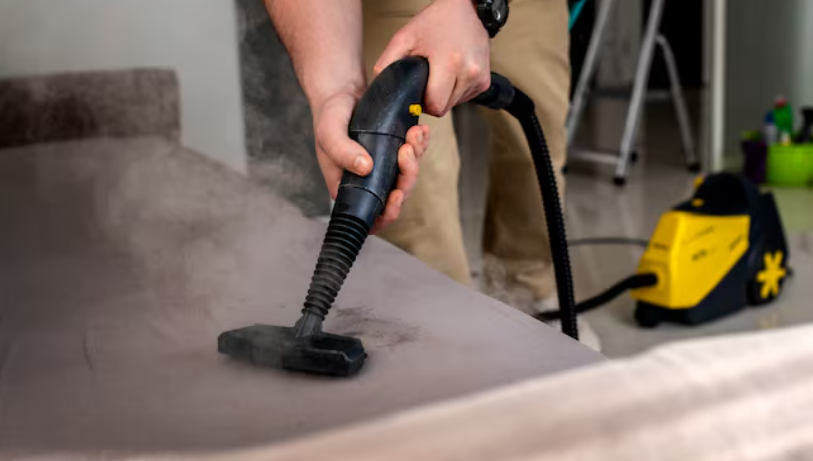
In the hustle and bustle of urban living, maintaining the pristine condition of home furnishings, such as upholstery, can be challenging. Upholstery cleaning is a specialised task that transcends typical spot cleaning. It requires expertise and the right methodologies to ensure the longevity and aesthetic appeal of furniture pieces. To experience a seamless cleaning process, book your upholstery cleaning with ESP Cleaning Singapore for professional services that cater to your specific needs.
Importance of Upholstery Cleaning
Upholstery, while enhancing the elegance of a home, is prone to accumulating dust, allergens, and bacteria over time. Regular cleaning is not just about maintaining appearances but also about ensuring a healthier living environment. Upholstered furniture is exposed to a variety of pollutants, from pet hair to food particles, which can contribute to the degradation of indoor air quality. Professional cleaning services, therefore, play a crucial role in removing these contaminants effectively.
Common Challenges in Upholstery Cleaning
The process of cleaning upholstery involves various challenges primarily due to the diverse types of fabrics and their unique requirements. Each fabric, whether it's leather, cotton, or synthetic, has specific care instructions which, if not followed, can lead to irreversible damage. Moreover, the tendency of dirt and stains to penetrate deep into the fibres makes it imperative to have a comprehensive understanding of suitable cleaning methods.
Methods of Upholstery Cleaning
Modern upholstery cleaning employs multiple techniques tailored to different fabric types and the extent of soiling. Some of the most widely used methods include:
1. Steam Cleaning
Steam cleaning is an eco-friendly method that uses hot water extraction to remove dirt and bacteria. This technique is particularly effective for deep-seated dirt and is suitable for most fabric types. The process involves injecting hot water into the upholstery under high pressure and simultaneously extracting the water along with the dirt. It's important to ensure proper drying post-cleaning to prevent mould growth.
2. Dry Cleaning
Dry cleaning is ideal for delicate fabrics that cannot withstand the rigours of steam cleaning. This method uses specialised cleaning agents in minimal water to lift grime without soaking the fabric. It's a quick and efficient process, minimising the risk of water damage and shrinkage.
3. Foam Cleaning
Foam cleaning involves applying a cleaning foam that encapsulates dirt and is later vacuumed. It's a gentle method suitable for delicate fabrics and effectively cleanses without saturation.
Selecting a Professional Upholstery Cleaner
Choosing the right upholstery cleaning service is crucial for protecting your investment. It is essential to consider factors such as the company's expertise, the equipment used, and the cleaning products' safety. A reputable service provider will usually conduct a pre-inspection to assess the fabric type and suggest an appropriate cleaning plan.
Environmental Considerations
Modern-day upholstery cleaning goes beyond just fabric care—it encompasses environmental responsibility. Many professional services now offer eco-friendly cleaning solutions that are biodegradable and non-toxic, ensuring minimal environmental impact. These solutions protect both the user's health and the planet, aligning with global movements towards sustainable living.
Benefits of Regular Upholstery Cleaning
The advantages of maintaining a routine upholstery cleaning schedule extend beyond aesthetics:

– Improved Indoor Air Quality: Regular cleaning eliminates pollutants and allergens embedded in the upholstery, enhancing the air you breathe.
– Prolonged Furniture Lifespan: Routine maintenance prevents premature wear and tear, preserving the furniture's durability.
– Enhanced Comfort and Aesthetic Appeal: Clean upholstery not only looks inviting but also contributes to the overall comfort of the living space.
Upholstery Cleaning Trends
The upholstery cleaning industry continually evolves, adopting newer technologies and practices. Current trends include the integration of smart technologies in cleaning equipment, providing more precise and efficient cleaning. Additionally, the use of AI in predictive maintenance offers a proactive approach to upholstery care. Environmentally conscious cleaning methods are also gaining attention, with many providers exploring products and techniques that reduce water usage and minimise the use of harsh chemicals. These approaches can help protect delicate fabrics while supporting more sustainable cleaning practices. Regular maintenance is also becoming more personalised, with cleaning methods increasingly selected based on fabric type, condition, and level of use. Click for more about ESP Cleaning’s offerings, which provide insights into the latest techniques being employed.
Conclusion
Navigating the intricacies of upholstery cleaning in a dynamic cityscape demands both knowledge and the right service provider. By understanding the importance and methods of professional upholstery cleaning, homeowners can make informed decisions that uphold the quality and longevity of their treasured furniture pieces. Regular professional cleaning can also help address accumulated dust, stains, and other contaminants that may be difficult to remove through routine household cleaning. Choosing an appropriate cleaning method based on the fabric and furniture type can further reduce the risk of damage. This guide serves as a comprehensive resource for those seeking to delve into the world of upholstery care, inviting professional expertise where needed as a cornerstone of effective maintenance. With proper care and timely cleaning, upholstered furniture can remain comfortable, presentable, and functional for longer.