Let's start with the honest version: oxygen bars can't legally make health claims, and if you've seen one advertising cures for hangovers, headaches, or fatigue, that's marketing language operating in a gray area, not a clinical claim backed by regulatory approval. That said, "not medically regulated" isn't the same as "does absolutely nothing."
Here's what's actually happening when you breathe from one of these setups, separated from the marketing around it.
What You're Actually Breathing
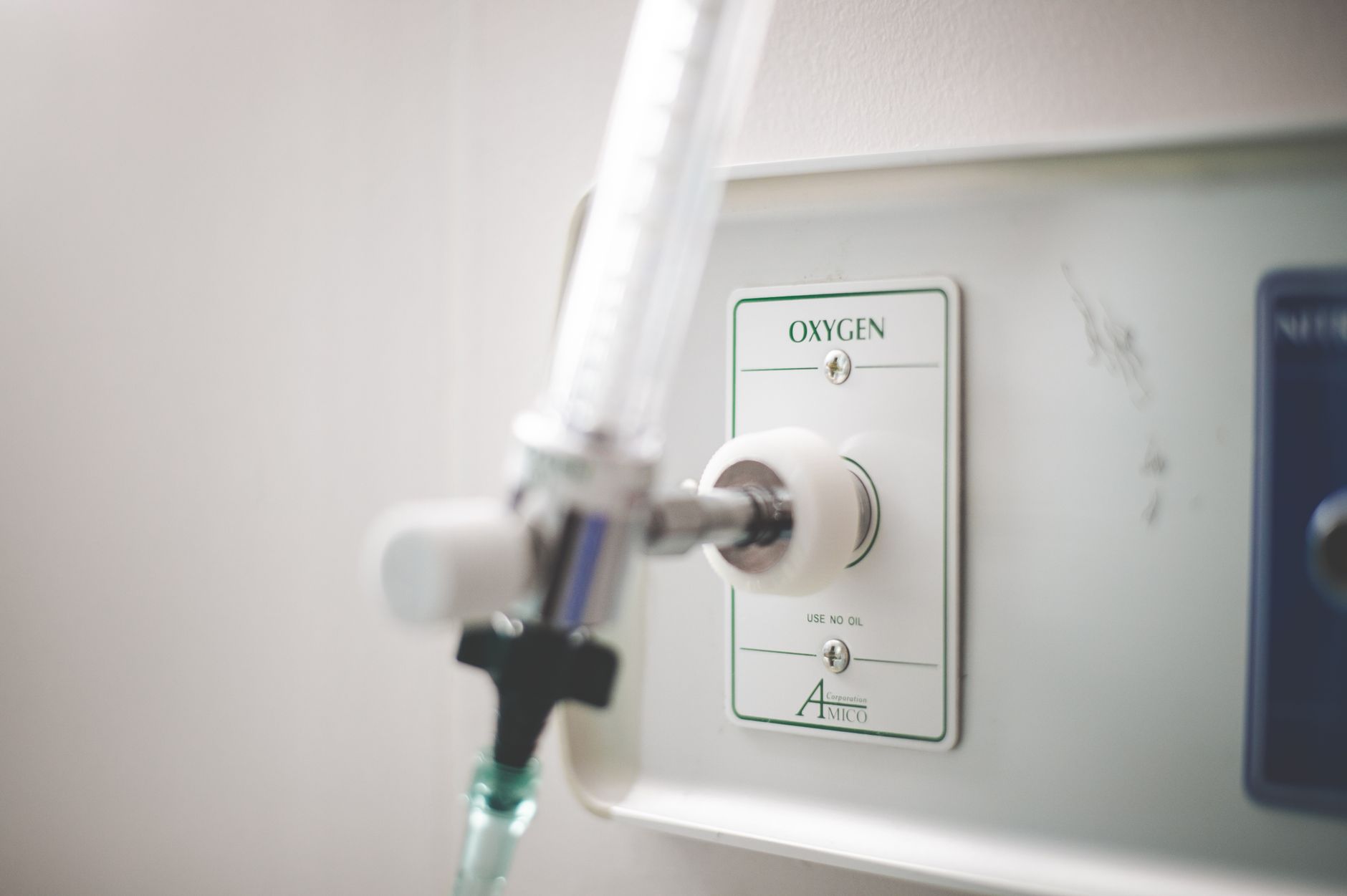
Regular room air is about 21% oxygen. Most recreational oxygen bars deliver air enriched to somewhere around 90% oxygen concentration, often scented with aromatherapy additives running through the same line. That's a real, measurable difference from what you're normally breathing, delivered through a nasal cannula for a set period, typically 15 to 30 minutes.
Medical-grade oxygen therapy, the kind prescribed for actual respiratory conditions, requires a prescription and delivers oxygen under clinical supervision for genuine medical purposes. Recreational oxygen bars operate in a completely different category, legally positioned similarly to how supplements and wellness products are regulated, without FDA oversight of specific health claims.
So Is There Any Real Physiological Effect?
Here's where it gets genuinely interesting rather than purely skeptical. For most healthy people, blood oxygen saturation is already close to maximum, around 98%, breathing normal room air. Your lungs and blood aren't oxygen-starved under typical conditions, which means there's a real physiological ceiling on how much additional benefit breathing higher-concentration oxygen can provide when you're already near that ceiling.
That said, some research has looked at short-term supplemental oxygen's effects on subjective alertness and, in specific clinical contexts entirely unrelated to recreational bars, on things like memory formation and recovery contexts. The honest scientific summary: there's some evidence for short-term subjective effects like feeling more alert, but robust, oxygen-bar-specific clinical research supporting the broader wellness claims marketed around these experiences is thin. Much of what people report, feeling refreshed, more relaxed, less foggy, is difficult to separate from the ritual itself: sitting down, breathing deliberately and slowly for 20 minutes, often paired with a pleasant scent. That combination alone has a documented relaxation effect, independent of the oxygen concentration involved.
What About the Altitude Angle in Colorado Specifically?
This is actually a fair, more grounded case for oxygen bars in a state like Colorado. At higher elevations, atmospheric oxygen concentration is lower than at sea level, and people arriving from lower elevations sometimes experience genuine, mild symptoms of reduced oxygen availability, fatigue, headache, and shortness of breath during exertion, before their body acclimatizes over a few days. In this specific context, supplemental oxygen has a more plausible, if still modest and short-term, physiological rationale than the general "detox and energy boost" framing you'll see in a lot of oxygen bar marketing elsewhere.
The Underrated Factor: Deliberate, Slow Breathing
Here's something worth taking more seriously than the marketing usually does. Regardless of what's actually flowing through the cannula, sitting still and breathing slowly and deliberately for 15 to 30 minutes has a well-documented calming effect on its own, activating the parasympathetic nervous system, the part of your body responsible for the "rest and digest" state rather than the stress response. This is essentially the same underlying mechanism behind meditation and controlled breathing exercises that have genuinely solid research behind them, entirely independent of oxygen concentration.
So when someone says they felt noticeably more relaxed after twenty minutes at an oxygen bar, that report is probably real and honest, it's just worth understanding that a meaningful part of that effect likely comes from the breathing pattern and the deliberate pause itself, not exclusively from breathing 90% oxygen instead of 21%. That doesn't make the experience less valid, it just means the "why" behind why it works is a little different from what the marketing usually implies.
Why These Show Up at Events Specifically
There's a practical reason oxygen bars have found a niche at parties, weddings, and corporate events rather than as a standalone destination business. The novelty factor genuinely works in a social, celebratory setting, it's memorable, a little unusual, and gives guests something interactive to talk about. Combined with the modest, real relaxation effect discussed above, it's a low-risk, genuinely fun addition to an event, which is a fair and honest way to think about the value here rather than framing it as a wellness or health investment.
Who Should Actually Skip It
People with certain respiratory or cardiac conditions should check with a doctor before recreational oxygen use, since altered oxygen levels can interact with some conditions in ways worth discussing with a physician first, not because recreational oxygen bars carry serious general risk for healthy adults, but because "probably fine for most people" isn't the same as "fine for everyone regardless of health history."
If you're curious and healthy, an O2 bar for rent Colorado setup at an event is a genuinely fun, novel addition, just worth going in with realistic expectations about what it will and won't do, rather than expecting a medical-grade wellness intervention from a nightclub-era novelty concept. It's a fun twenty minutes, a good conversation starter, and, at altitude specifically, a plausible small physiological boost, which together is a perfectly reasonable thing to enjoy on its own honest terms.
The FDA's dietary supplement regulatory framework explains the general regulatory category recreational oxygen products fall under, useful context for understanding why you won't see specific health claims on legitimate oxygen bar marketing. That absence of bold medical promises, oddly enough, is a reasonably good sign you're dealing with an operator being straightforward about what they're actually offering, rather than one stretching a novelty experience into something it was never designed or approved to be.
Enjoy it for what it genuinely is: a fun, low-risk novelty with a modest, honest physiological basis, rather than a treatment you're relying on for anything more.
Ask the operator directly what concentration and purity they're delivering, and how the equipment is maintained, since those two questions tell you more about quality than any marketing claim on a banner ever will.
The Honest Bottom Line
Oxygen bars aren't a scam, but they're also not the wellness treatment some marketing implies. What you're paying for is a real, measurable increase in the oxygen concentration you're breathing, for a limited time, in a relaxing setting, with a legitimate but modest physiological basis, especially at altitude, and a much larger component that's genuinely about the experience itself: sitting still, breathing deliberately, and enjoying a pleasant scent for twenty minutes. If that sounds appealing on its own terms, rather than as a medical treatment, it's a genuinely fun, low-risk novelty experience.