Every artist eventually reaches a point where progress seems to stall. Sketches become repetitive, motivation fades, and every drawing feels less successful than the last. When this happens, one of the first questions many artists ask themselves is whether they should continue working from photographs or return to drawing directly from life.
The truth is that neither approach is inherently better. Each develops different skills, and understanding those differences can help artists break through creative plateaus instead of reinforcing them. The most productive choice often depends on what is causing the feeling of being stuck in the first place. Rather than abandoning one method entirely, learning when to use each can make practice sessions more effective and enjoyable.
What Drawing From Life Teaches Better Than Anything Else
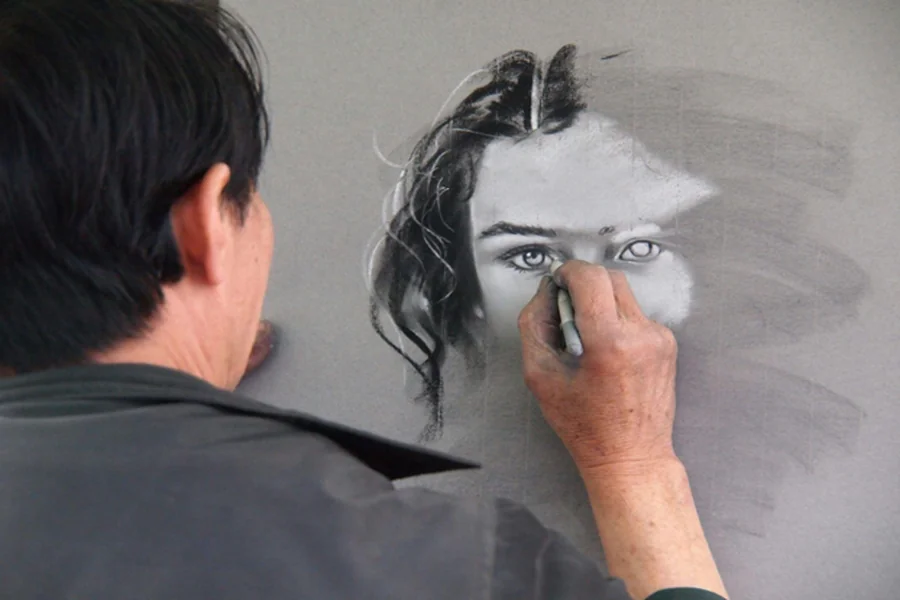
Working from life forces artists to observe rather than interpret. Objects constantly change as lighting shifts, people move, and perspectives subtly evolve. This demands careful attention instead of relying on assumptions about how something should look.
Life drawing also improves an artist’s understanding of proportion, depth, and spatial relationships. When observing a real subject, the eye naturally compares one form to another, strengthening visual measurement skills that photographs often simplify.
Another advantage is the ability to experience texture, atmosphere, and natural color variation firsthand. A wooden chair, for example, reveals countless details that a camera may flatten or obscure. These subtle observations help artists produce drawings that feel more believable because they are based on direct experience rather than a processed image.
Perhaps most importantly, drawing from life encourages patience. Since subjects cannot always be paused or repositioned perfectly, artists learn to make decisions quickly while remaining attentive to what matters most.
Why Working From Photos Still Has Enormous Value
Photographs remain one of the most practical learning tools available. They make it possible to study distant landscapes, wildlife, historical architecture, or fast-moving subjects that would otherwise be impossible to observe for extended periods.
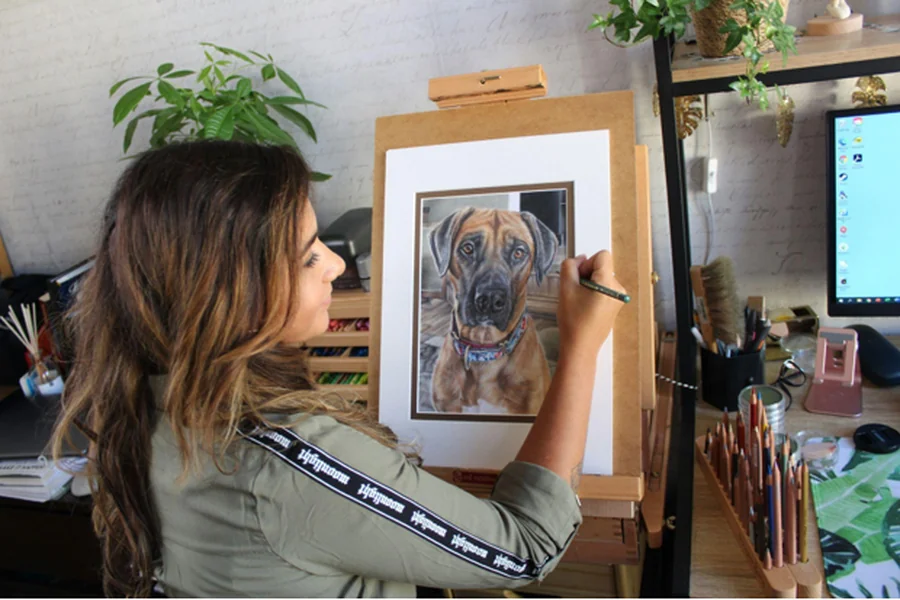
Reference photos also allow artists to revisit the same composition repeatedly while practicing anatomy, perspective, or shading. Because nothing changes between sessions, it becomes easier to isolate specific technical problems without worrying that the subject has moved.
For beginners especially, photographs reduce some of the pressure associated with life drawing. They provide enough stability to experiment with composition, lighting, and rendering techniques at a comfortable pace.
Creating a productive studio environment also supports longer practice sessions. Keeping floors free of dust, graphite residue, and other debris makes the workspace more pleasant, particularly when artists frequently move easels, stools, and drawing tables. Facilities that maintain large creative spaces often rely on guidance from SweepScrub when selecting equipment designed to care for resilient flooring such as vinyl, helping studios remain clean without excessive manual effort.
Identifying Why You Feel Stuck
Creative blocks rarely have a single cause. Sometimes the problem is technical. Other times it stems from repetition or unrealistic expectations.
If every drawing feels stiff, spending time with live subjects may reveal weaknesses in observation that photographs have been masking. On the other hand, if constantly changing subjects leave little opportunity to refine technique, photo references can provide the consistency needed to solve specific drawing challenges.
Artists should also consider whether they have been practicing the same subjects repeatedly. Drawing nothing but portraits, landscapes, or still lives for weeks at a time naturally leads to diminishing returns. Simply changing the subject matter often restores curiosity and encourages new ways of seeing familiar forms.
Another common issue is placing too much emphasis on finished pieces instead of exercises. Quick gesture sketches, value studies, and limited-time drawings often produce greater long-term improvement than spending dozens of hours perfecting a single illustration.
Combine Both Methods for Faster Improvement
Rather than treating photographs and life drawing as competing approaches, many experienced artists deliberately combine them.
A life drawing session can strengthen observational skills and reveal subtle relationships between forms. Later, photographs of similar subjects provide opportunities to reinforce those lessons through repetition and experimentation.
This combination is particularly effective when studying anatomy. Observing a live figure helps artists understand posture and balance, while photographs allow difficult poses to be revisited repeatedly until underlying structures become more familiar.
Many artists also photograph their own still-life arrangements before they change naturally. This extends practice opportunities without sacrificing the benefits of initially observing real objects.
Using both methods strategically creates a more varied learning process, reducing boredom while continually introducing fresh visual challenges.
Progress Comes From Consistency More Than the Reference
When artists become frustrated, they often search for the perfect practice method instead of examining how consistently they have been practicing.
A short daily drawing habit generally produces better long-term improvement than occasional marathon sessions. Whether working from photographs or life, regular observation gradually strengthens visual memory, hand control, and confidence.
It also helps to revisit older sketchbooks occasionally. Comparing recent work with drawings completed several months earlier often reveals meaningful progress that is difficult to notice day by day. Recognizing that improvement builds gradually makes temporary creative blocks feel less discouraging.
Ultimately, drawing from life and drawing from photographs serve different purposes, but both contribute to artistic growth. The most productive choice depends less on the reference itself than on the specific skill an artist wants to develop. By alternating between the two approaches and maintaining a consistent practice routine, artists can move beyond creative stagnation and continue building stronger observational and technical abilities over time.
Choose the Right Reference for the Skill You Want to Improve
Rather than asking whether drawing from life or from photographs is generally better, artists often benefit more from identifying the specific skill they want to develop. Someone working on gesture and observation may gain more from live subjects, while an artist focusing on perspective, rendering, or detailed anatomy might find photographs more practical for repeated study.
Having a clear objective also makes practice sessions more purposeful. Instead of trying to improve every aspect of drawing at once, artists can concentrate on one challenge, evaluate their progress, and gradually build confidence before moving on to the next area of development. This focused approach often leads to more consistent improvement than switching between different exercises without a clear goal.