It’s one of the easiest long drives in the UAE. Wide roads, clear signs, about an hour and a half if traffic’s kind. And yet people get caught out on it all the time.
Plenty of folks do the run daily. Others only go for a meeting, an airport pickup, a weekend visit. If that’s you, sorting out a car rental in Abu Dhabi near wherever you’re headed means you’re not stuck driving your own car home after a long day. Either way, a bit of prep helps.
Which road should you take?
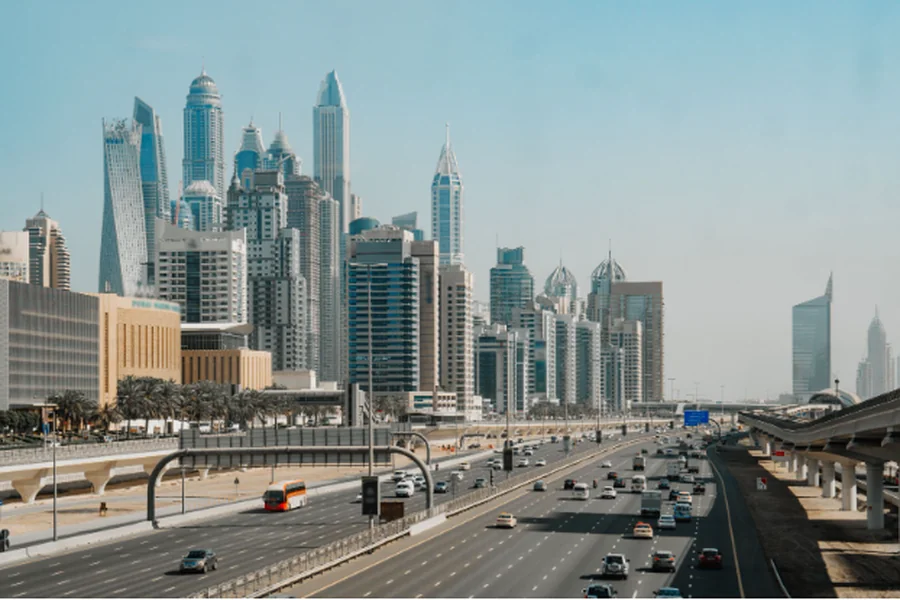
Two main options. The E11 runs along the coast. In Dubai, it’s Sheik Zayed Road, and in Abu Dhabi it turns into Sheikh Khalifa bin Zayed Road. You’ll pass through built-up areas, so there are more exits, more traffic, and more places to grab fuel or a coffee. If you want a safety net, it’s a good pick.
The E311 sits further inland. It feels more open, and it’s usually easier to settle into a steady speed. You’ll share it with a lot of trucks, though. Abu Dhabi dropped the old 120 km/h minimum speed on the left lane in 2025, so you’ll see more mixed speeds than before.
Neither one wins every day. Check live traffic before you leave. If one’s jammed, switch.
The speed limit
This is where most drivers slip up. Abu Dhabi doesn’t give you a buffer. Suppose the sign says 100, then 101 counts. Fines can run anywhere from Dh300 up to Dh3,000, depending on how far over you are. Dubai has traditionally been a bit more relaxed above the posted limit, but I wouldn’t build a habit around that, especially when you cross an emirate line without noticing.
And the numbers keep changing. The E11 in Abu Dhabi dropped from 160 to 140 km/h last year. Then Abu Dhabi cut one stretch of the E311 to 100 km/h in both directions from September 14. Dubai’s been busy too, with changes on five Dubai roads at the start of November. So if you’re going off what you remember from last spring, stop. Read the signs.
Little habits that make the drive easier
Cruise control is your friend. Set it to the posted limit and forget about it. On long flat stretches, speed creeps up without you noticing, and cruise control quietly fixes that.
Leave space. Seriously. Tailgating is everywhere on these highways, and it’s how a small slowdown turns into a bad afternoon. If someone’s glued to your bumper, don’t speed up. Move over when it’s safe and let them go.
Fog can roll in on winter mornings. Dust and blowing sand can cut visibility any time of year. When that happens, ease off, turn your lights on, and give yourself more room than you think you need. Don’t hit the hazards and keep driving. Pull off somewhere safe if it’s really bad.
Check your tires before a long trip, especially in summer. Heat and highway speeds are tough on rubber. If you’ve picked up a car you don’t know, take two minutes to sort the mirrors, find the controls, and set your navigation before you move. Most little mistakes happen in the first ten minutes, when people are fiddling with things, or the last ten, when they’re rushing.
Top up the tank before you’re low. Keep a bottle of water in the car. If you’ve got a fixed arrival time, add a buffer. It’s a boring tip, but it’s the one that takes the stress out of everything else, because you won’t feel the urge to push the pace.
The drive itself is simple. Most of the trouble comes from treating it like it’s too simple to think about.