When most people shop for safety footwear, they focus on the toe cap. But the height of your boot or shoe, known as its “cut”, has just as much influence on comfort, protection and how you move through the day.
Australian workers can choose from everything from low-cut safety joggers to knee-height mining boots. Each height suits different conditions, and picking the wrong one can mean sore feet, rolled ankles or wet socks. Here’s how to match the cut of your footwear to your work environment.
Understanding Boot Heights
Safety footwear generally falls into three height categories:
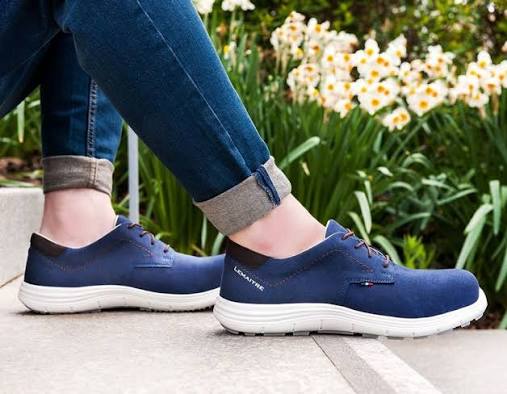
- Low-cut (below the ankle): safety shoes, joggers and sneakers that look and feel like everyday athletic footwear.
- Mid-cut or ankle height (roughly 95mm to 150mm): hiker-style and derby-style boots, plus most elastic-sided boots, that sit around or just above the ankle bone.
- High-cut (roughly 150mm to 200mm and above): taller lace-up and zip-side boots, extending well above the ankle. Specialist mining and wet-weather boots can reach 350mm or more.
The Case for High-Cut Safety Boots
Superior ankle support. The taller shaft wraps the ankle and lower leg, limiting side-to-side movement. That’s a major advantage on uneven ground, loose gravel, embankments, scaffolding and ladders, where a rolled ankle is a real risk.
More coverage. High-cut safety boots protect the lower leg from knocks, sharp edges, falling debris, sparks and splashes. On sites with rebar, timber offcuts or heavy machinery, that extra coverage matters.
Keeps the elements out. A taller boot stops mud, water, gravel, sand and concrete from getting in over the top. Paired with waterproof leather, high-cut boots are well suited to wet sites, puddles and shallow water.
Built for heavy industry. Many high-cut designs include features such as heat-resistant soles, penetration-resistant midsoles and metatarsal protection, making them a common choice in mining and heavy industrial work.
The trade-offs: High-cut boots are heavier and warmer, and they restrict ankle flexibility. They can take longer to put on and break in, and may feel like overkill for indoor or flat-surface work.
The Case for Low-Cut Safety Shoes
Lightweight and agile. Low-cut safety shoes are the lightest form of safety footwear. With no shaft around the ankle, you have full freedom of movement for walking, pivoting, squatting and climbing stairs.
Cooler and more breathable. Many low-cut styles use mesh or nylon uppers, which allow better airflow and help keep feet comfortable in warm warehouses and factories, particularly in Australian summers.
Comfortable from day one. Most safety joggers need little or no breaking in and feel similar to a pair of runners, which makes them popular for long shifts on concrete floors.
Still protective. Low-cut safety shoes can include steel or composite toe caps, slip-resistant outsoles and anti-static soles, so they protect your feet where it counts.
The trade-offs: Low-cut shoes offer no ankle support or lower-leg protection. They let in water, dirt and debris more easily and are less suited to rough terrain or outdoor conditions.
What About Mid-Cut Boots?
Mid-cut boots sit in the middle ground. They offer some ankle coverage and support while staying lighter and more flexible than a tall boot. For many tradies who split their time between site work, vehicles and indoor jobs, an ankle-height boot is a practical all-rounder.
Matching Footwear to Your Work Environment
High-cut safety boots suit:
- Mining, quarrying and heavy industry
- Construction and civil sites with uneven or muddy ground
- Outdoor work in wet conditions or long grass
- Jobs involving sparks, molten material or heavy debris
- Work on slopes, scaffolding and embankments
Low-cut safety shoes suit:
- Warehousing, logistics and distribution centres
- Manufacturing and production lines
- Retail stockrooms and trade counters
- Light maintenance, facilities and cleaning roles
- Jobs with lots of walking on flat indoor surfaces
Mid-cut boots suit:
- General trades such as electrical, plumbing and carpentry
- Workers who move between indoor and outdoor tasks
- Anyone wanting some ankle support without the weight of a tall boot
Check Your Site Requirements
Before choosing, confirm what your employer or site requires. Some mining, construction and civil sites specify a minimum boot height or require ankle-covering footwear, while many warehouses accept low-cut safety shoes.
Tips for Getting the Right Fit
- Try footwear on later in the day when your feet are at their largest.
- Wear the socks you usually work in.
- Make sure your toes don’t touch the toe cap and your heel doesn’t slip.
- For high-cut boots, check the shaft doesn’t rub or pinch around the calf.
- Try new footwear indoors on carpet first, so it stays in unworn condition if you need to exchange it.
Shop High-Cut and Low-Cut Safety Footwear Online
Workboot Warehouse is an Australian online store specialising in work and safety footwear. It offers a broad range of high-cut safety boots, ankle boots and low-cut safety shoes from brands including Steel Blue, Oliver, Mongrel, Blundstone and Redback. The range covers everything from 95mm hikers to 350mm mining boots, with free shipping across Australia on orders over $99 and easy exchanges on unworn pairs.
The Bottom Line
High-cut safety boots deliver maximum ankle support and protection for rugged, wet and heavy-duty work. Low-cut safety shoes offer lightweight comfort and freedom of movement for indoor and flat-surface jobs. Match the height to your terrain, tasks and site rules, and you’ll stay safe and comfortable from the start of your shift to the end.