When maintenance takes a backseat to daily operations, equipment degrades faster than most facility managers realize. The dirt, dust, and debris that accumulate on machinery do more than affect appearance. They create operational inefficiencies, reduce equipment lifespan, and increase the likelihood of costly breakdowns. The relationship between proactive maintenance and equipment cleanliness is straightforward: better maintenance practices lead to cleaner, more reliable machinery. Understanding this connection helps organizations protect their assets and optimize performance across their facilities.
1. The Connection Between Maintenance and Equipment Cleanliness
Equipment cleanliness is not simply about aesthetics. When machinery operates with accumulated contaminants, internal components work harder to function normally. For example, a motor covered in dust buildup must expend additional energy to maintain temperature regulation, while air filters clogged with debris force HVAC systems to operate inefficiently. Regular maintenance routines that include cleaning reduce the load on equipment and allow systems to operate at their intended capacity. When cleaning becomes part of a maintenance protocol rather than an afterthought, organizations create a cycle where equipment runs cleaner and lasts longer. This fundamental shift in perspective transforms maintenance from a reactive expense into a strategic investment.
2. Scheduled Maintenance Prevents Contamination Buildup
Scheduled maintenance provides a framework for systematic cleaning before contamination becomes problematic. When regular intervals for inspecting and cleaning equipment are established, minor issues can be addressed before they escalate into major failures. A manufacturing facility that schedules weekly cleaning of production line bearings and monthly deep cleaning of motors prevents the kind of residue accumulation that shortens equipment life. Without this structure, maintenance becomes sporadic and inconsistent, allowing dirt to compound and damage components over time. Scheduled maintenance transforms cleaning from an emergency response into a planned operation that teams can resource effectively. Organizations that commit to these schedules report fewer unexpected downtime incidents and more predictable operating costs.
3. Proper Cleaning Methods Extend Equipment Lifespan
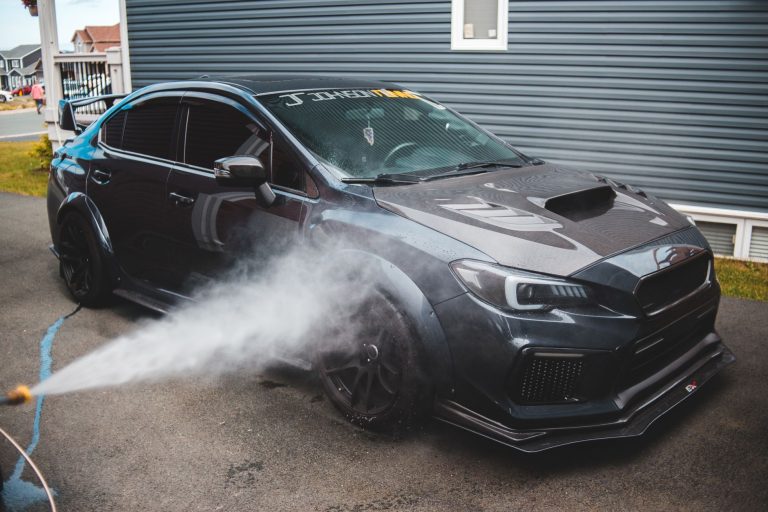
Using the correct cleaning techniques for specific equipment types ensures that maintenance efforts protect rather than damage machinery. High-pressure washers work well for some equipment but can force moisture into sensitive electronic components in other applications. Compressed air effectively removes dust from electrical motors and switchboards, while gentler methods like soft brushes or specialized cleaning solutions suit delicate hydraulic systems. In plastic processing operations, during color or material changeovers, production teams rely on a purging compound for extruders to remove residual resin and contaminants from the barrel and screw, reducing downtime and preventing cross-contamination between production runs. Understanding which tools and methods suit a given piece of equipment requires knowledge of manufacturer specifications and equipment design. When maintenance teams receive training on appropriate cleaning methods, they perform their work more effectively and avoid accidental damage from improper techniques.
4. Regular Inspection Identifies Cleanliness Issues Early
Systematic inspection routines reveal emerging cleanliness problems before they compromise equipment function. During inspections, trained technicians can spot accumulating debris, corrosion, or contamination patterns that indicate underlying issues requiring attention. For example, excessive dust around motor housings might signal inadequate ventilation or failed seals that need repair before the problem worsens. When these warning signs are caught early through regular inspection, maintenance teams can address root causes before equipment performance degrades significantly. Inspection logs also create a maintenance history that helps predict future problems, establish optimal cleaning frequencies, and justify resource allocation to facility leadership. This data-driven approach means maintenance efforts are targeted where they matter most, rather than applying uniform procedures regardless of actual equipment condition.
5. Maintenance Planning Allocates Resources Effectively
A comprehensive maintenance plan coordinates cleaning schedules, staff availability, and necessary equipment to ensure consistent execution. When maintenance activities compete with production demands or other priorities, cleaning often gets postponed until equipment failures force action. Formal planning prevents this cycle by establishing cleaning as a non-negotiable part of operations. The plan should account for seasonal factors that increase contamination, such as construction dust in nearby areas or higher pollen concentrations that affect air handling systems. It should also specify which team members handle which cleaning tasks and ensure they have access to appropriate tools and materials. This level of organization transforms maintenance from a burden squeezed into spare time into a structured operation that consistently delivers cleaner, better-performing equipment.
Conclusion
The path to cleaner equipment runs directly through better maintenance solutions. By establishing the connection between systematic maintenance practices and equipment cleanliness, organizations create conditions where machinery performs reliably and lasts longer. Scheduled maintenance prevents contamination from accumulating to problematic levels, while proper cleaning methods ensure that maintenance efforts protect equipment rather than risk damage. Regular inspections catch emerging problems early, and comprehensive maintenance planning allocates the resources needed for consistent execution. Equipment that receives this level of attention operates more efficiently, experiences fewer unexpected failures, and costs less to maintain over its operational life. The investment in better maintenance solutions pays dividends that extend far beyond simply having cleaner equipment.