
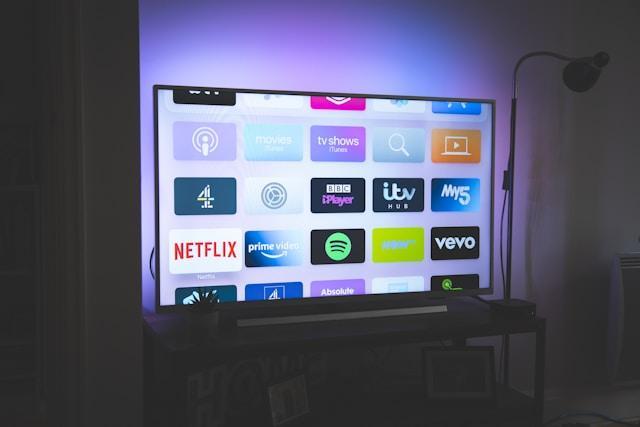
Free time in America doesn’t look quite as fixed as it once did. Entertainment used to come with schedules, places and, often, a bit of planning. Increasingly, it simply comes through a mobile screen.
That distinction matters. Streaming libraries, games, social platforms and mobile apps have put an extraordinary amount of choice within easy reach. Leisure can now slip into an evening at home, a commute or the ten quiet minutes between commitments. It has become less of a scheduled event and more a part of everyday life.
Rise of Digital Entertainment Options
The shift toward digital leisure has been gradual enough to feel almost ordinary. Streaming sits alongside television. Phones carry music, books, games and video. Social platforms fill moments that might once have remained empty.
Convenience is part of the explanation, but not all of it. One device can now serve several very different entertainment habits, and people don’t have to decide in advance exactly how they want to spend an hour.
The range keeps widening. Take online gaming, for instance; in states with regulated online markets, adult players may have access to options such as NJ casino games among the broader selection of entertainment accessible through connected devices.
What has really changed is the timetable. Leisure no longer has to wait for a broadcast to begin, a venue to open, or even for someone to get home.
Streaming Services Reshape Free Time
There was a time when missing a television program meant exactly that: missing it. Radio worked much the same way. Audiences arranged themselves around programming schedules because there wasn’t much choice in the matter.
On-demand streaming quietly turned that arrangement upside down.
A film can start at 9:17 p.m. if that’s when the evening finally settles down. A podcast can stop halfway through and resume on tomorrow’s drive. Albums, series and documentaries wait for a spare moment of downtime rather than disappear.
Personalization has changed browsing, too. Large catalogs of music, games or other content can be shaped around genres, previous activity and individual interests, making discovery feel less like searching an enormous archive.
The old schedules haven’t vanished entirely. They simply matter less, and for many households that has changed the rhythm of an ordinary evening or weekend.
Mobile Apps and Daily Habits
Perhaps the bigger change happened when entertainment left the living room.
A smartphone turns a station platform, lunch break or waiting room into somewhere a person can watch a video, listen to a podcast or spend a few minutes with a game. No real preparation required.
That’s broken leisure into smaller pieces. Instead of setting aside an entire evening, someone might encounter entertainment repeatedly throughout the day — five minutes here, twenty there. These moments don’t necessarily feel significant on their own, but together, they are.
Portability also means entertainment can sit alongside other parts of life. Music follows an exercise routine. A podcast accompanies housework. A game fills a delayed journey. The boundaries around “free time” become considerably harder to draw.
Online Communities Connect Consumers
Spending time online isn’t necessarily a solitary experience anymore. Quite often, the people on the other side of the screen are part of the attraction.
People talk; it’s part and parcel of their entertainment experience. They cooperate, compete, joke around, discuss sporting events or the latest movie release and return to familiar groups. Voice chat and messaging have turned many interactive platforms into places where relationships can continue even when people live hundreds of miles apart.
For friends separated by work, relocation or simply incompatible schedules, that can be useful. An evening online becomes a way of spending time together without arranging the logistics of meeting in person.
None of this means digital interaction has replaced the pleasure of being in the same room.
It has created another kind of gathering, though. For increasing numbers of people, the social conversation and entertainment itself are difficult to separate.
Social Media’s Growing Influence
Calling social media “social” now tells only part of the story. These platforms have become entertainment channels in their own right.
A person might open an app to check a message and find themselves watching comedy, live commentary, music, news or a string of short videos. The boundaries between communicating and consuming content are remarkably thin.
Short-form video fits particularly well into spare moments. A clip asks for little commitment. Then another appears. And another.
Live content works differently because the audience can react while something’s happening, giving viewing a communal quality that conventional broadcasting doesn’t always offer.
Behind much of this sits personalization. Feeds respond to previous activity, so two people opening the same platform may encounter almost entirely different worlds.
The Future of Digital Leisure
The next phase may make screens themselves feel less central.
Virtual reality already places users inside digital environments rather than asking them to watch from the outside. Augmented reality moves in another direction, layering digital material onto physical surroundings. Neither approach needs to replace today’s entertainment to influence what comes next.
Expectations are changing alongside the technology. Once people become accustomed to choosing what they want, when they want it, fixed experiences can feel unusually restrictive.
That may encourage the further evolution of entertainment that moves between devices and responds to individual preferences.
Predicting which technology becomes commonplace is harder. Plenty of much-hyped formats never quite make that journey. What seems more durable is the appetite for flexibility, interaction and a sense of control over leisure time.
When Free Time Stops Following the Clock
Digital entertainment hasn’t swept older forms of leisure aside. People still meet friends, watch scheduled events, read physical books and go out for the evening. The difference is that these activities now share space with an enormous digital layer.
And that layer is available almost everywhere.
Streaming loosened the schedule. Smartphones loosened the location. Online communities changed what spending time together can mean.
Virtual and augmented experiences may blur those lines further. The technology will keep changing, certainly. But the habits that have formed around it, including choosing entertainment on one’s own terms, will no doubt stand the test of time.