
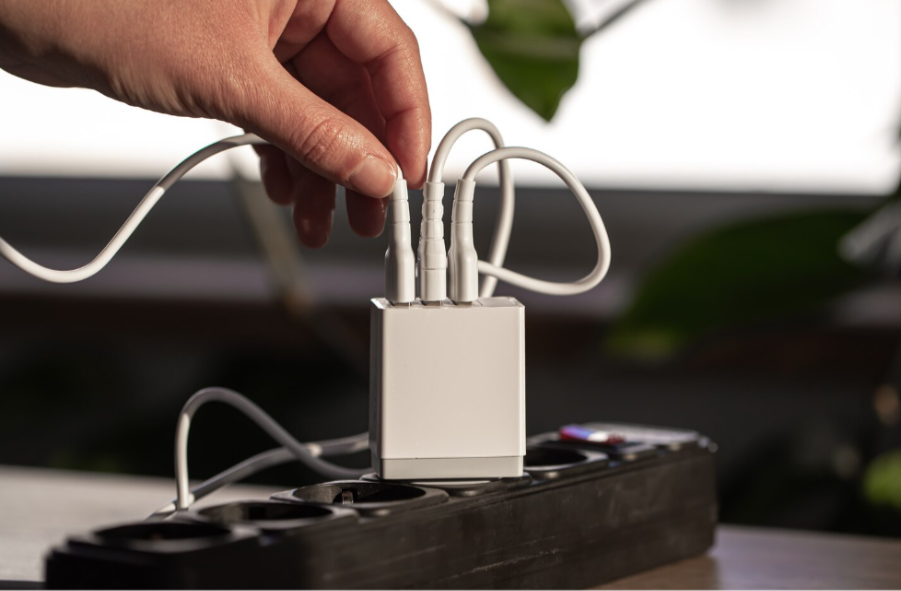
You turn on your equipment, sit down to work, and you can feel that your extension cord is warmer than usual. It might appear to be harmless at first, yet even minor indicators such as overheating, damaged insulation, or loose connections can indicate larger electrical hazards. Most individuals use extension cords without verifying whether they fit their equipment, provide the necessary power, or can be safely used. These errors may cause electrical shocks, fires, malfunctioning devices, and dangerous work conditions.
However, using extension cords correctly can help you avoid these problems and create a safer power setup. By selecting the correct cord, working with care, and using it within its capacity, you minimize the risks that can be avoided.
This article describes how the correct use of extension cords allows you to avoid electrical hazards and make safer choices regarding all applications.
1. Prevents Excessive Current Flow with the Right Cord Selection

The right extension cord can help you manage the amount of electrical current flowing in the cable. Each device requires a particular amount of power, and the cord you use should be capable of managing that power safely. Checking the cord’s gauge, voltage rating, and amperage capacity before use helps prevent electrical stress.
When you plug in a device and use the cord that cannot supply its power requirements, the cord may be required to carry more current than it is rated for, increasing the risk of overheating. This additional load may lead to heat production, insulation deterioration, and increased electrical failure probability. By choosing a cord suitable for your use, you can allow the electricity to flow safely and save unwarranted strain.
This becomes especially important when powering equipment with higher energy needs. A small household device, a lawn tool, and a construction-grade power tool do not place the same demand on a cord. Selecting the correct cord for the task helps maintain safe power flow and prevents avoidable electrical hazards.
2. Reduces Heat Buildup by Avoiding Cord Overload
Although you may select the correct extension cord, overloading it can cause safety issues. Plugging in too many devices or operating equipment that needs more power than the cord has to offer causes the cable to work more intensely. Consequently, the internal wires may get hot and create the risk of damage.
The best way to prevent overload is to consider the required power of your connected devices. You should avoid practices like plugging multiple extension cords together or using a single cord for more equipment than it can support. Such practices minimize electrical stress and enable the cord to work under safe conditions.
This is particularly significant in locations that require the use of cords over extended hours, such as workshops, construction sites, and commercial areas. Heavy-duty equipment often requires cords designed for demanding conditions. When properly used, a cord can assist in the management of heat levels and make your electric installation safer.
3. Protects Against Electrical Exposure with Proper Cord Care
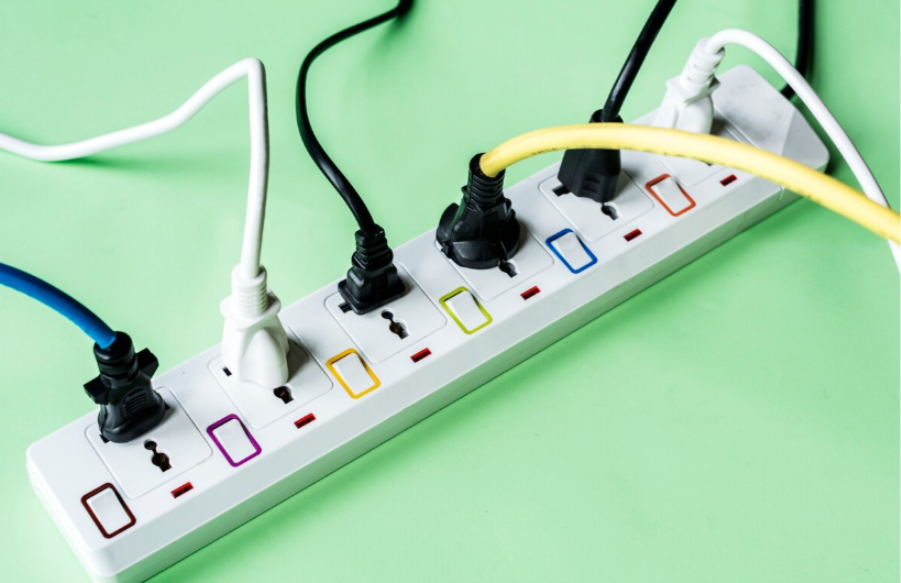
Even the best extension cord can become unsafe if it is damaged or poorly maintained. Before each use, inspect your cord for cuts, cracks, exposed wires, or damaged connectors. These warning signs can allow electricity to escape and create shock risks for anyone handling the cord.
Proper handling also aids in keeping the inside structure of the cord safe. Pulling the cord instead of the plug, bending it sharply, or placing heavy objects on it can damage the internal conductors over time. Over time, this damage may affect the cord’s ability to safely carry electricity.
In addition, routine maintenance can assist you in identifying issues before they turn into dangerous risks. Be it at home, a workshop, or a job site, correct storage and frequent checks maintain better condition of cords. This easy practice minimizes electrical exposure and helps ensure safer power connections.
4. Minimizes Equipment Damage with Safe Power Delivery
The right extension cord not only enhances safety, but also assists in protecting equipment attached to the cord. Different devices have different power requirements, and using a cord that cannot provide suitable power may affect performance. Proper power delivery enables equipment to run efficiently without unwarranted electrical stress.
As an illustration, a heavy-duty power tool and a small appliance do not need the same sort of cord. The lightweight cord can be suitable in simple domestic applications, whereas professional tools on construction sites or in the workshop can require heavier cords that have greater capacity. Matching the cord to the equipment helps prevent damage and supports reliable operation.
Providing equipment with the correct power through an appropriately rated extension cord helps reduce unnecessary electrical stress on both the cord and the connected devices.
5. Creates Safer Spaces with Proper Cord Placement

Where you place an extension cord can directly affect the safety of your environment. Cords placed across walkways, near water, or around sharp edges can create risks for both people and equipment. Proper placement helps reduce trips, falls, physical damage, and electrical injuries.
When setting up a cord, make sure it follows a safe path and is protected from conditions that could harm it. Avoid placing cords under doors, heavy furniture, or areas with regular foot traffic because pressure and movement can damage the cable. A well-positioned cord is less likely to experience wear or accidental damage.
This practice matters in many settings, including homes, workshops, and construction areas. As conditions change, checking your cord placement helps you identify new risks before they become problems. By keeping cords organized and protected, you create a safer space for everyone nearby.
Conclusion
Extension cords are useful tools, but their safety depends on how you choose, use, and maintain them. Understanding power needs, avoiding overloads, caring for cords, and placing them correctly can help prevent many electrical hazards.
By following these simple practices, you can protect your equipment, improve safety, and create a more reliable power setup. A few careful decisions can help you use extension cords with greater confidence in any environment.