A newborn’s first days are carefully watched because even small changes in breathing, feeding, or movement can matter. Bleeding inside or around an infant’s brain may be hard to spot, yet early clues can point to a serious problem. The signs of infant intracranial hemorrhage deserve attention, especially if concerns arise during labor, delivery, or newborn care.
A symptom alone does not prove that someone made a mistake. However, the timing of symptoms and the response they receive can raise questions about the care provided. The details behind those early warning signs matter from birth through the days that follow.
What Is Infant Intracranial Hemorrhage?
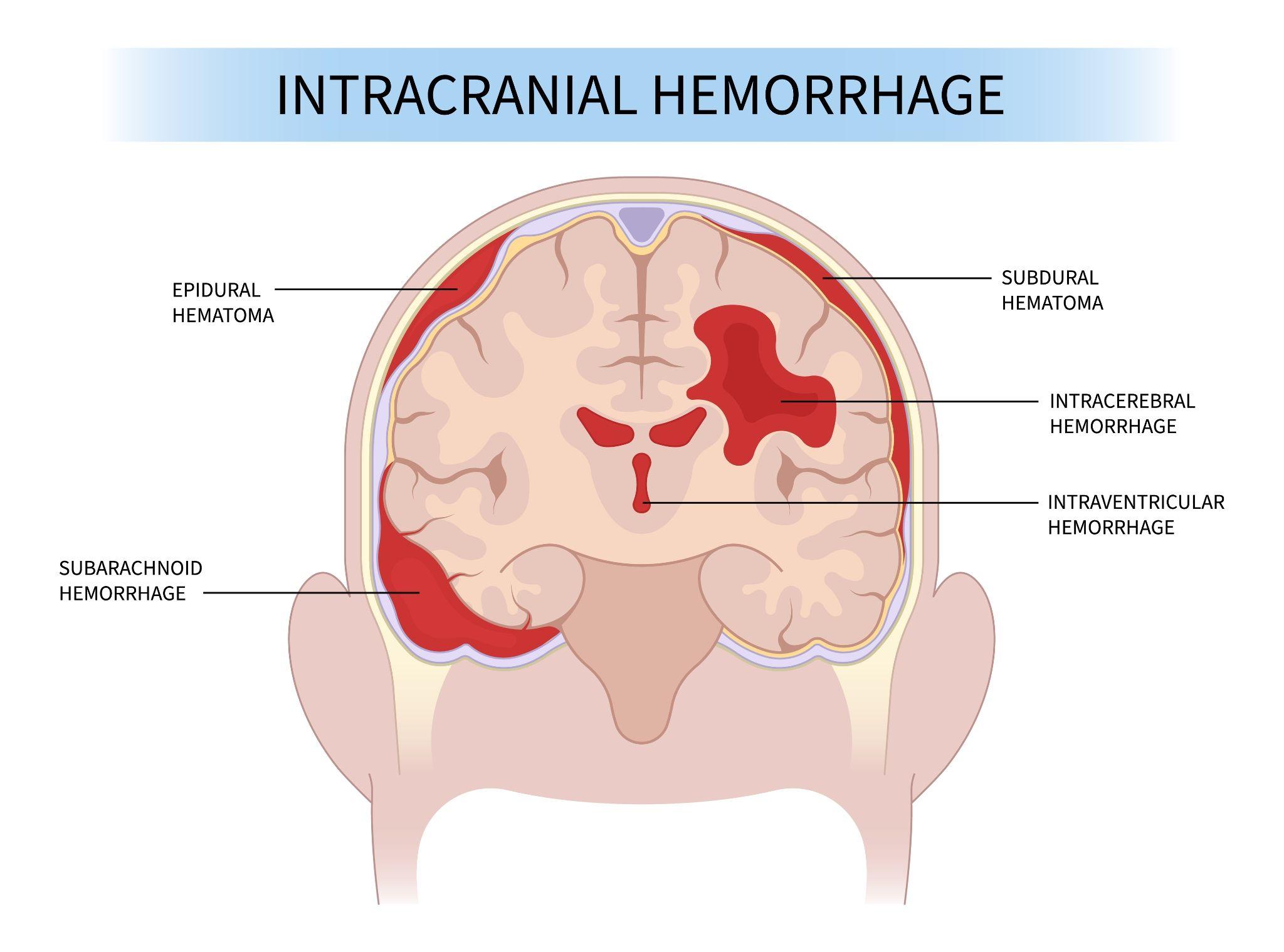
Infant intracranial hemorrhage is bleeding inside the skull, within the brain, or in nearby spaces. It can put pressure on brain tissue and happen before, during, or after birth.
Types include:
- Subdural hemorrhage: Blood collects between the brain and its outer covering.
- Subarachnoid hemorrhage: Blood enters a space between layers surrounding the brain.
- Intraventricular hemorrhage: Bleeding occurs in fluid-filled spaces inside the brain.
- Intracerebral hemorrhage: Blood collects within brain tissue.
The type and location help guide care. Some cases cannot be prevented, so the diagnosis alone does not show that care was improper.
What Signs May Indicate Intracranial Hemorrhage in Infants?
A newborn cannot explain pain, so staff must watch for physical changes and parent concerns. These signs can also occur with other conditions.
Possible signs include:
- Seizures: Repeated jerking, unusual stiffening, or movements that do not stop need urgent attention.
- Breathing changes: Irregular breaths, long pauses, or trouble breathing can signal a serious problem.
- Feeding difficulties: A baby may struggle to suck, swallow, or stay awake during feeding.
- Unusual sleepiness: The infant may be hard to wake or less active than expected.
- Bulging soft spot: The fontanelle, the soft area on the head, may look swollen.
- Changes in muscle tone: The baby may seem unusually stiff or very floppy.
- High-pitched crying: A cry that sounds different from usual may occur with other signs of illness.
These symptoms need prompt attention but do not confirm brain bleeding. Tests may be needed to find the cause.
How Can These Signs Reveal Possible Medical Negligence?
The signs can help create a timeline. Records may show whether staff noticed symptoms during labor or after birth, checked the baby, and acted in time. A delay alone does not prove negligence.
Possible concerns for review include:
- Missed fetal distress: A concerning fetal heart rate pattern may not receive proper attention.
- Improper use of delivery tools: Incorrect use of forceps or a vacuum extractor may injure a baby's head.
- Delayed cesarean delivery: A slow response to serious labor problems may expose a baby to added risk.
- Missed newborn symptoms: Staff may fail to respond to seizures, breathing changes, poor feeding, or unusual sleepiness.
- Delayed testing or treatment: A baby with concerning symptoms may not receive timely checks or suitable tests, such as brain imaging.
These points do not prove an error. A review considers the baby's condition, medical decisions, accepted practices, and whether a delay contributed to injury.
How Can Medical Records Help Explain What Happened?
Medical records can show what happened during pregnancy, labor, and newborn care. Fetal monitoring strips record heart rate changes. Delivery notes describe the methods used, while newborn charts may show when symptoms appeared and how staff responded.
Ultrasound, CT, or MRI reports can show the location and extent of bleeding. Medication and treatment notes may show changes in the baby's condition. The signs of infant intracranial hemorrhage must be considered with these records, not as proof of cause. A medical review can assess whether care met the required standard.
What Long-Term Effects Can Infant Intracranial Hemorrhage Cause?
Effects depend on the location and amount of bleeding and any brain injury. Some infants recover well; others may have lasting effects:
- Developmental delays affecting speech, learning, or daily skills.
- Cerebral palsy, which can affect movement, balance, and muscle control.
- Seizure disorders that need continued medical care.
- Problems with memory, attention, or learning.
- Difficulty with movement or coordination.
- Vision or hearing problems.
Not every child has these effects. Doctors assess each infant through symptoms, test results, and development.
Reviewing the Medical Care
Infant brain bleeding has several possible causes, and its presence does not establish negligence. Warning signs, their timing, and staff responses may show whether concerns were handled properly. Reviewing a suspected birth injury requires the medical record and an independent assessment of the care provided. This can help separate an unavoidable condition from a failure to respond that may have caused serious and lasting harm.