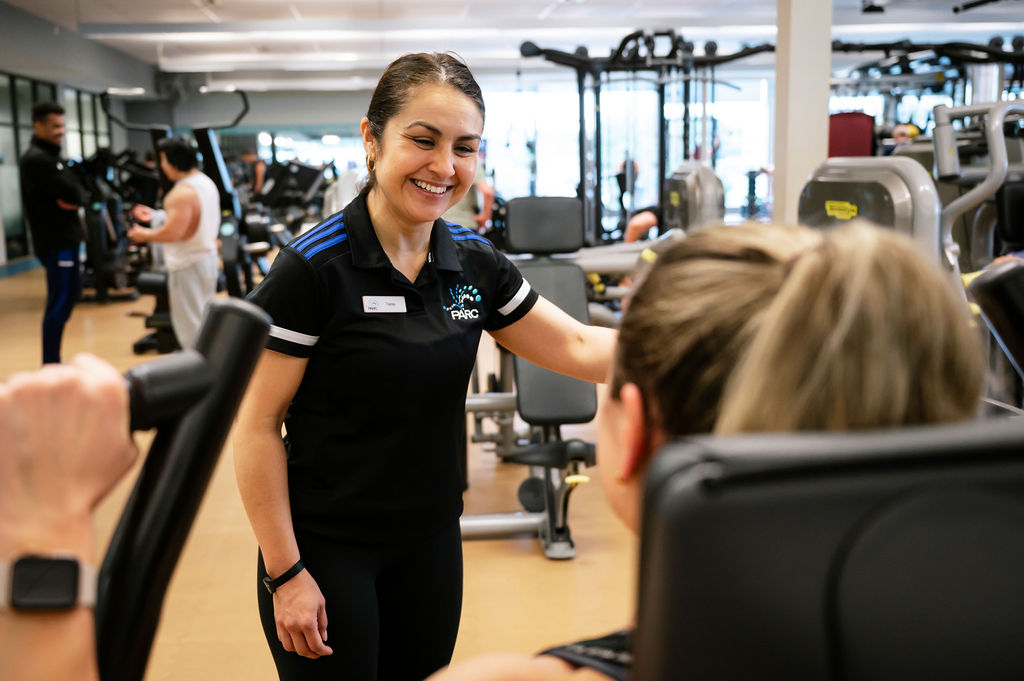
Walking into a gym for the first time, or the first time in years, can feel intimidating. Rows of unfamiliar machines, people who seem to know exactly what they're doing and the pressure to get it right straight away can be enough to make anyone turn around and head home. But building a sustainable routine is far simpler than it looks. Whether you've just joined a gym frankston locals love or you're thinking about taking the first step, this guide will help you create a plan that fits your life and keeps you coming back.
The secret isn't intensity. It's consistency.
Why Consistency Beats Intensity
Many beginners start with huge enthusiasm, training hard every day for a week or two before burning out, getting sore or losing motivation. A more sustainable approach is to start with a manageable routine and build gradually.
Australia's physical activity guidelines recommend that adults accumulate 2.5 to 5 hours of moderate activity or 1.25 to 2.5 hours of vigorous activity each week, along with muscle-strengthening activities on at least two days. You can read more on the Department of Health and Aged Care website. The good news is that these targets can be reached with a few well-planned sessions combined with everyday movement.
Setting Realistic Goals
Before you start, think about what you want to achieve. Goals might include feeling more energetic, improving strength, managing stress, building fitness for a sport or simply establishing a healthy habit.
Make your goals specific and achievable. Instead of "get fit", try "attend the gym three times a week for the next six weeks". Habit-based goals give you something you can control and celebrate, which helps build momentum.
Building Your Weekly Plan
A balanced routine generally includes three main components.
Strength Training
Strength training helps build muscle, support bone health and make everyday tasks easier. For beginners, two to three sessions per week focusing on major muscle groups is a great starting point. Exercises such as squats, lunges, presses, rows and core work can be performed using machines, free weights or body weight.
Start with lighter weights and focus on good technique. Once you can comfortably complete your sets with good form, gradually increase the weight or repetitions.
Cardiovascular Exercise
Cardio improves heart and lung fitness and can be done on treadmills, bikes, rowers and cross-trainers, or through group fitness classes. Begin with sessions of 15 to 20 minutes at a comfortable pace, increasing the duration and intensity over time.
Flexibility and Recovery
Stretching, mobility exercises and rest days are just as important as training. They help your body recover and reduce the risk of injury. Activities such as yoga, Pilates or a gentle swim can be excellent additions to your routine.
A Simple Beginner Week
Here's an example of how a beginner might structure their first few weeks. On Monday, complete a full-body strength session. On Wednesday, do 20 to 30 minutes of cardio followed by stretching. On Friday, repeat the full-body strength session. On the weekend, enjoy an active recovery activity such as walking along the foreshore, swimming or cycling.
This plan can be adjusted to suit your schedule. As your fitness improves, you can add sessions or increase intensity.
Getting the Most Out of Your Gym
Most gyms offer support for beginners, so take advantage of it.
Book an Induction or Program
Many gyms provide inductions or tailored programs to help you learn how to use equipment safely. A qualified trainer can show you correct technique and design a routine based on your goals and experience.
Try Group Classes
Group fitness classes are a great way to build confidence, meet people and stay motivated. Instructors guide you through each session, so you don't need to plan your own workout.
Explore Other Facilities
If your gym includes a pool, sauna or spa, these can add variety and support recovery. Aquatic exercise is particularly gentle on joints and suits people of all fitness levels.
Staying Motivated
Motivation naturally rises and falls, so it helps to have strategies in place. Schedule workouts in your calendar like any other appointment. Train with a friend or join a class for accountability. Track your progress by noting weights, distances or how you feel after each session. Celebrate small wins, such as completing your first month of consistent training.
If you miss a session, don't give up. Simply get back into your routine at the next opportunity.
Listen to Your Body
Some muscle soreness is normal when starting a new routine, but sharp pain, dizziness or chest discomfort are signs to stop and seek advice. If you have a medical condition, are returning from injury or haven't exercised for a long time, check with your GP before starting a new program.
Fuelling Your Training
What you eat and drink supports how you feel during and after workouts. Stay hydrated throughout the day, especially during warmer months, and aim for balanced meals that include protein, vegetables and wholegrains to support recovery and energy levels.
Try to avoid training on an empty stomach if it leaves you feeling lightheaded. A small snack such as a banana, yoghurt or wholegrain toast an hour or two beforehand can help, and a balanced meal afterwards supports your recovery.
Final Thoughts
Building a gym routine doesn't require hours of training or expert knowledge. By setting realistic goals, combining strength, cardio and recovery, seeking support when you need it and focusing on consistency, you'll create a habit that lasts. Start small, be patient with yourself and enjoy the progress along the way.