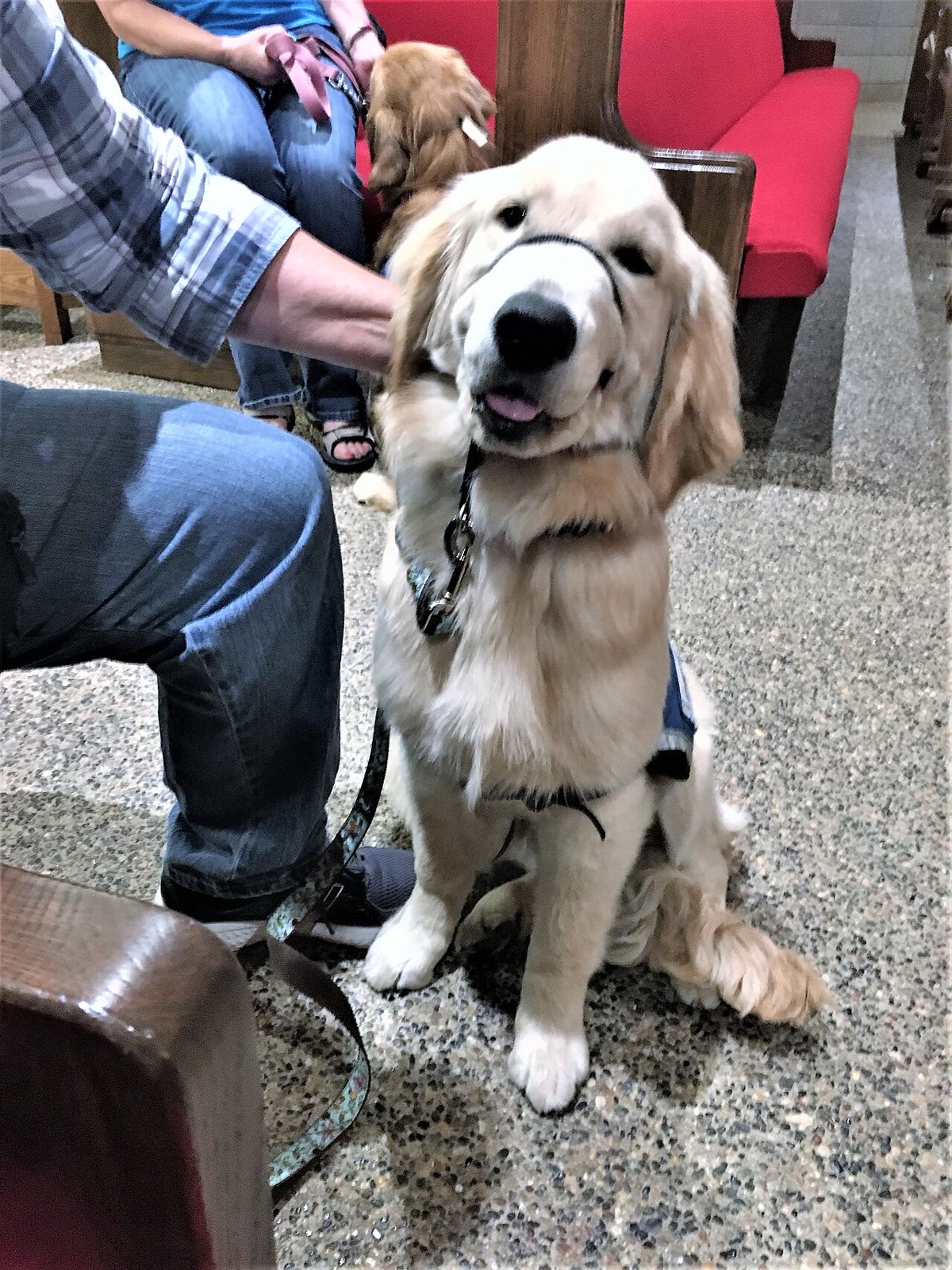
People managing mental health disabilities such as depression, bipolar disorder, anxiety, and PTSD may benefit from the assistance of a psychiatric service dog.
These dogs are trained to perform specific tasks, such as interrupting panic attacks, waking their handlers from nightmares, or helping them navigate situations that would otherwise be difficult to manage.
The tasks a psychiatric service dog performs depend on the handler’s individual needs and the training the dog receives.
While getting a psychiatric service dog isn’t particularly complicated from a legal standpoint, the practical process can be demanding. You’ll need to determine whether a service dog is appropriate for your disability, find a suitable dog, and arrange for the necessary training.
Here’s how to go about it.
How to Get a Psychiatric Service Dog: Start With Your Needs
Even before approaching a service dog organization, consider what you need the dog to do.
Under the Americans with Disabilities Act (ADA), a psychiatric service dog must be individually trained to perform tasks related to a qualifying disability. A diagnosis alone doesn’t establish eligibility; the condition must substantially limit one or more major life activities.
For instance, if PTSD-related nightmares regularly disrupt your sleep, a dog trained to wake you may provide practical assistance. Consult your mental health provider to identify appropriate tasks and determine whether caring for a service dog is realistic alongside your treatment.
You can also review this psychiatric service dog guide for more information about eligibility and training requirements.
Decide Whether to Apply Through an Organization
You can obtain a trained psychiatric service dog through an organization that specializes in training service animals. However, not all organizations cater to the same needs. Some work exclusively with veterans or individuals with specific disabilities, while others accept applicants with a wider range of conditions.
Depending on the organization, the application process may involve submitting medical documentation, attending interviews, providing references, or having your living arrangements assessed. You may also be asked about your daily routine, support system, and ability to care for the dog.
Keep in mind that these requirements are set by individual organizations, and not by the ADA.
Understand the PSD Matching Process
Getting accepted into a service dog program doesn’t necessarily mean you’ll be matched with a dog right away. Organizations usually take several factors into account, including your disability-related needs, lifestyle, mobility, and experience with dogs, to find a suitable match.
Depending on the program, you may also need to attend training sessions with your matched dog before bringing it home. It’s worth checking whether the organization offers ongoing support, additional training, or assistance if the match doesn’t work out as expected.
Consider Training Your Existing Dog as a PSD
If you already have a dog, you may be able to train it to become a psychiatric service dog. The ADA allows individuals to train their own service dogs, so you don’t necessarily have to purchase a professionally trained dog or enroll in a training program.
However, not every dog is suited for service work. Even a well-behaved pet may struggle to remain calm and focused in crowded or unfamiliar environments.
Before investing in specialized training, consider having an experienced service dog trainer assess your dog’s temperament and suitability.
Plan for Training and Expenses
Training a psychiatric service dog takes time, whether you choose to do it yourself or work with a professional organization. Apart from basic obedience, the dog must learn to perform tasks related to your disability and remain calm and well-behaved around people, other animals, and distractions.
The costs can also vary considerably depending on the training approach. A professionally trained service dog can cost tens of thousands of dollars, although some nonprofit organizations offer dogs at reduced rates or even free of charge.
Training your own dog may be more affordable, but you’ll still need to account for professional training assistance, veterinary care, equipment, and ongoing expenses.
If you’re working with an organization, make sure you understand the fees involved, its refund policies, and what happens if a dog doesn’t successfully complete the training program.
How to Get a Psychiatric Service Dog That Suits Your Lifestyle
Finding the right psychiatric service dog involves more than ensuring it can perform the tasks you need. The dog must also be a good fit for your lifestyle, living arrangements, and physical capabilities.
Before making a decision, take the time to research different organizations, understand their screening and training processes, and consider the responsibilities that come with owning a service dog.
Ultimately, a psychiatric service dog should be able to assist you with your disability-related needs while receiving the care, attention, and support it needs to thrive.