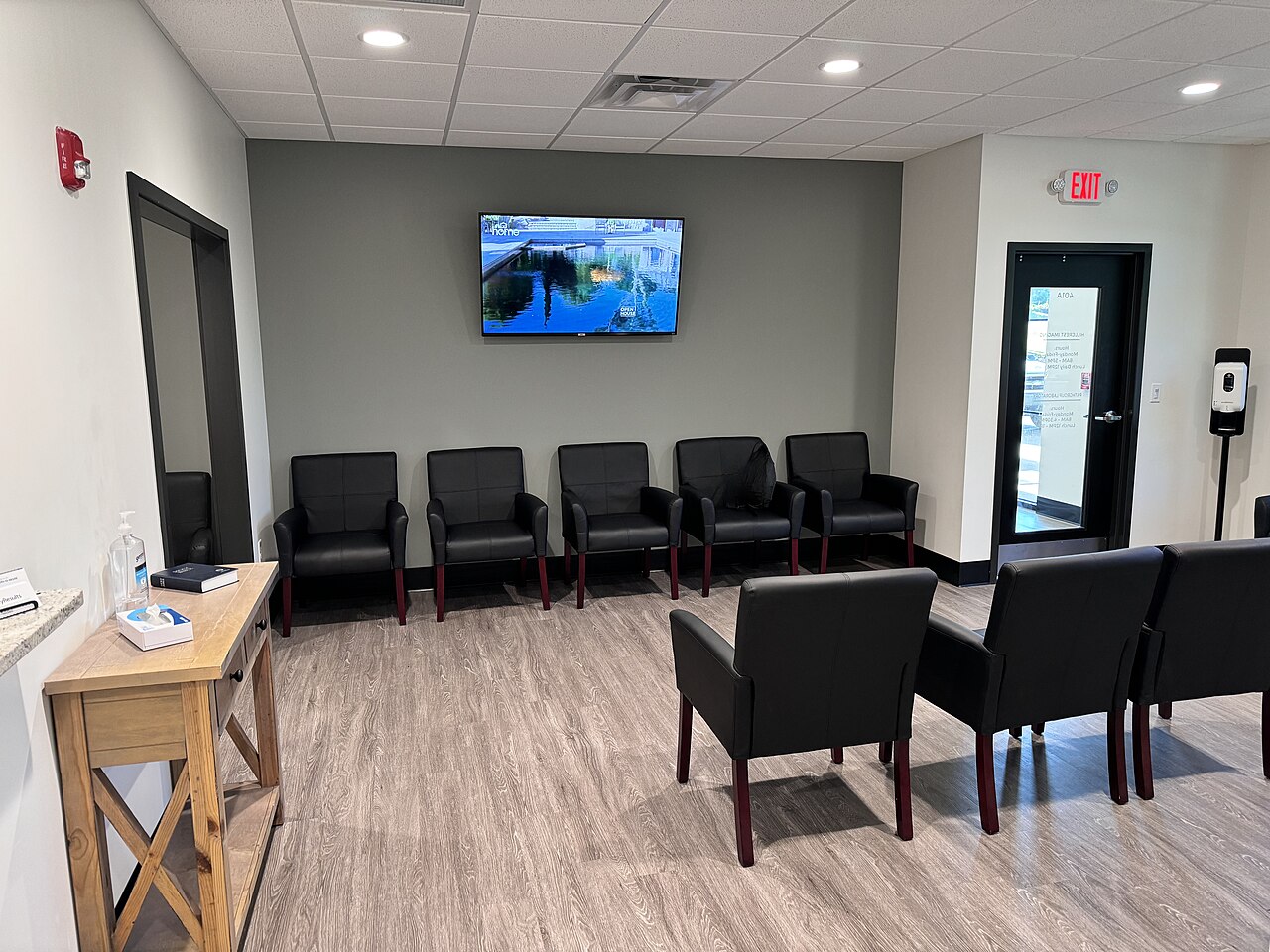
Fifteen minutes. That’s what the clinic’s website says, and it’s also the number that gets people into their cars on a Tuesday afternoon with a kid in the back seat and a fever that won’t quit. Then they sit in the lobby for an hour and fifteen minutes and quietly decide the internet lied to them.
Here’s the thing: the website probably didn’t lie. A live wait time is a snapshot, and snapshots age fast. What it actually tells you is how many people were ahead of you the moment the number refreshed. What it can’t tell you is how many people pull into the parking lot in the eleven minutes it takes you to get there, or whether the provider on shift just sent someone for an X-ray that will eat half an hour.
So the skill worth building isn’t finding a clinic with a short wait. It’s reading the number well enough to make a call you won’t regret. Anyone trying to find a walk in clinic near West Des Moines on a Saturday morning is doing this math in real time whether they know it or not, and a little structure makes the decision a lot less stressful.
What the number is actually counting
Most clinic sites that post a live wait are showing you an estimate of time to see a provider, based on how many patients are currently checked in and the average pace of visits that day. It’s a forecast, not a queue position. Think of it the way you’d think about a restaurant quoting forty-five minutes for a table: the host isn’t lying, they’re guessing, and the guess gets worse the further out it reaches.
A number under twenty minutes is usually a strong signal. A number over an hour tells you the clinic is having a day, and you should plan accordingly or look elsewhere. The middle range is where judgment matters, and where most people get burned.
One rule I’d commit to: treat any posted wait under ten minutes with mild suspicion. Not because clinics fake it, but because a truly empty lobby often means the number refreshed before a rush arrived. The wait didn’t drop. The page just hasn’t caught up yet.
Check three things before you put the car in gear
You can turn a single shaky number into a decent decision by widening the picture. Here’s what I look at, in order.
- When the page last updated. Some sites stamp a refresh time; many embed it quietly. If the number has been sitting at fifteen for the last hour, it’s stale.
- Whether check-in is online. Booking your slot before you drive means you’re in the queue even if the lobby fills up behind you.
- Whether the clinic can actually handle your reason for coming. A short wait means nothing if they don’t do stitches or X-rays and you need both.
That last one is where people waste the most time. A fifteen-minute wait at a clinic that can’t help you is a ninety-minute round trip for a referral. Call first if you’re unsure. Any decent front desk will tell you in ten seconds whether your issue is something they handle or something they’ll hand off.
Do urgent care wait times actually mean anything?
Yes, but weigh them correctly. Same-day drop-in care is a scheduling model that exists precisely because people can’t predict when they’ll need it, and the sector has grown steadily for that reason. Broad workforce data from the Bureau of Labor Statistics has long shown healthcare to be one of the country’s larger and faster-growing employment categories, and walk-in care is part of why. Volume rises. Waits follow.
The practical translation: at peak hours, expect the posted number to be optimistic. Monday mornings, the day after a holiday, and the first cold snap of the season all behave like a Friday at the grocery store. Late morning and mid-afternoon on a weekday are your friends. So is dinner time on a weeknight, if the clinic stays open that late.
My honest opinion, and I’ll take the argument: a slightly longer wait at a clinic you trust beats a short wait at one you don’t. You’re not buying a coffee. You want the person who examines you to have the equipment and the judgment to do it right the first time.
The three-number rule
Here’s a small framework I use and recommend to anyone who asks. Before leaving the house, find three numbers: the posted wait, the drive time, and the clinic’s closing time. Then add them up and compare against how much of the day you can actually give away.
Say the wait reads twenty-five minutes, the drive is eighteen, and the clinic closes in four hours. You’re fine. Say the wait reads seventy, the drive is twenty-five, and closing is two hours out. You’re gambling, and the clinic might stop accepting new arrivals before you get through the door. Plenty of places cut off walk-in check-ins before the official closing time so the last patients aren’t there past shift change. That detail is rarely on the homepage and almost always worth a phone call.
I’ve watched someone make the second bet, lose it, and end up at a second clinic forty minutes later with the same problem. The three-number rule would have saved them a lot of driving.
One borrowed trick from the ER world
Hospitals publish something clinics don’t, and it’s worth knowing about. Federal transparency rules administered by the Centers for Medicare and Medicaid Services require hospitals to post their standard charges, and many now publish average emergency department wait estimates alongside them. That doesn’t make an ER the right choice for a sprained ankle, but it does mean you can sanity-check the whole landscape before committing.
One piece of established public guidance worth repeating: for anything that feels like an emergency, meaning chest pain, trouble breathing, or signs of a stroke, skip the wait-time math entirely and call for help or go to the nearest ER. Insurance and consumer protection rules exist at the federal level too, and the Department of Health and Human Services is the place to start if you ever need to understand your rights around a bill or a records request.
A quick checklist for the driveway moment
You’re standing in the kitchen with your keys in hand. Run this in about ninety seconds.
- Number on the page: under 25 minutes or over? Over means call before driving.
- Page refresh: recent, or a number that hasn’t moved?
- Check-in: online option available and completed?
- Services: does this clinic handle what you have, today?
- Cutoff: how long before closing do they stop taking walk-ins?
- Backup: do you have a second location in mind if the first one is slammed?
Iowa keeps a public record of licensed facilities, and the state of Iowa portal is a reasonable starting point if you ever want to confirm a clinic’s standing before you trust them with your family. It takes two minutes and you only do it once per clinic.
What to do with all of this
The wait time is a tool, not a verdict. Read it as a snapshot, widen it with check-in options and hours, apply the three-number rule, and let your own judgment carry the rest. You’ll drive less, wait less, and spend a lot less energy guessing.
For more on a related topic, read How to Pick an Eye Doctor: A Practical Guide for Busy Families.
And if the number on the page looks great while the parking lot looks full when you arrive, trust the parking lot. It refreshes faster than any website can.