
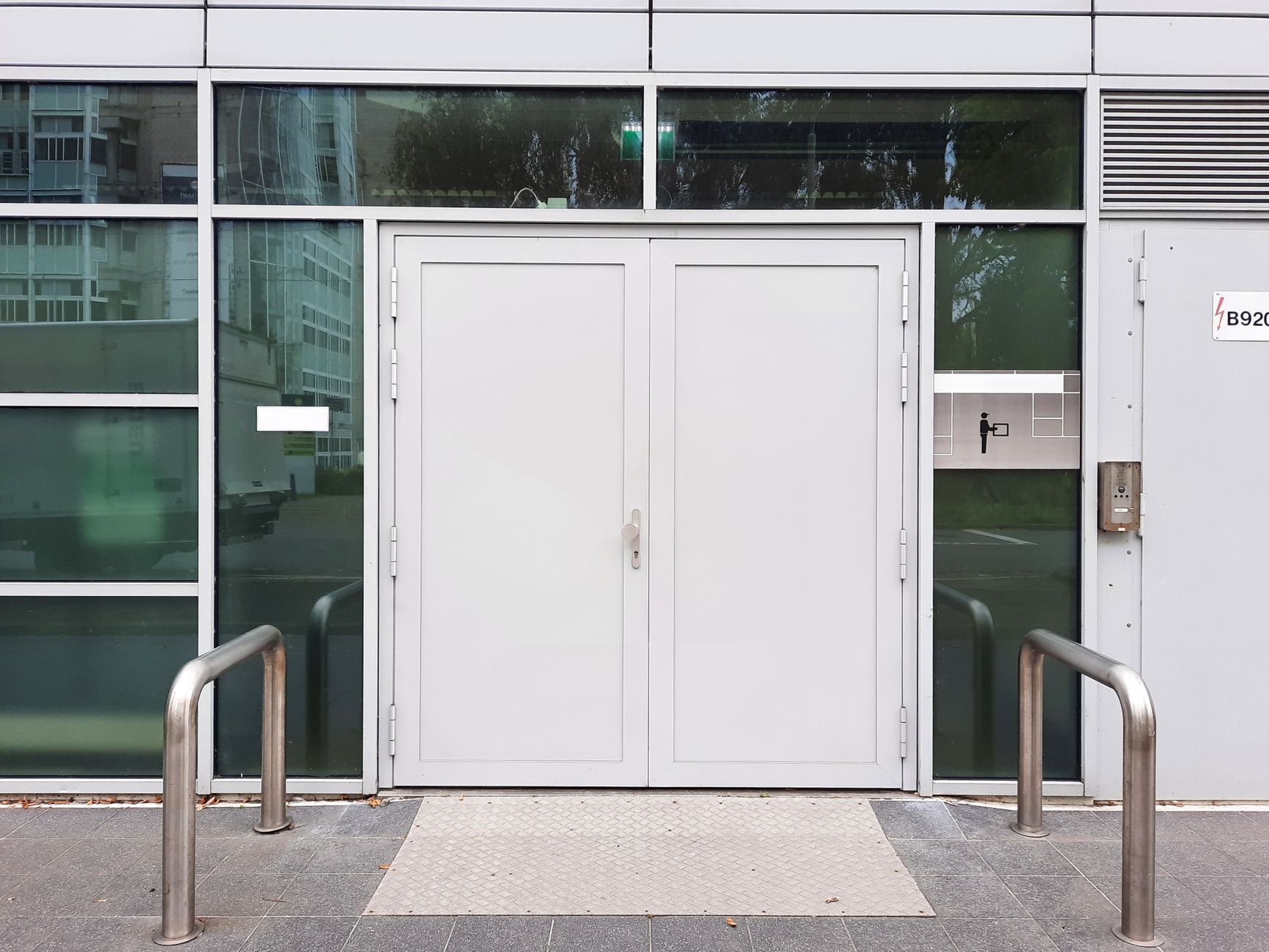
Yes. Kenwindow is an Aluminum Window and Door Manufacturer in China, supplying custom aluminum windows and doors for residential and commercial building projects. The product range includes casement, sliding, folding, hung and louver windows, along with casement, swing, sliding, folding, entrance, garage and pocket door systems.
Rather than limiting buyers to a small selection of standard products, Kenwindow focuses on project-based manufacturing. Window and door dimensions, opening styles, glass configurations, frame finishes and other specifications can be selected according to the requirements of the building.
This makes Kenwindow particularly relevant to builders, contractors, developers, architects, distributors and homeowners looking for custom aluminum window and door solutions rather than standard retail products.
What Does Kenwindow Manufacture?
Different buildings require different window and door systems.
A villa may use large sliding doors facing a garden, casement windows in bedrooms and folding doors around an entertainment area. An apartment project may require repeated window types with consistent dimensions and finishes. Hotels and commercial buildings can have another set of requirements entirely.
Kenwindow's aluminum window range includes:
- Casement windows
- Sliding windows
- Folding windows
- Hung windows
- Louver windows
The aluminum door range includes casement doors, swing doors, sliding doors, folding doors, entrance doors, garage doors and pocket doors.
Having different opening systems available allows buyers to select products according to the function of each opening rather than trying to use one window or door type throughout an entire project.
Kenwindow Focuses on Custom Aluminum Windows and Doors
One of the main reasons buyers work directly with an Aluminum Window and Door Manufacturer is customization.
Building openings are rarely identical from one project to another.
Dimensions can change. Glass requirements vary according to climate and application. Architects may specify particular colors, opening directions or configurations. Large glazed openings can also require different profiles and hardware from smaller residential windows.
Kenwindow can manufacture aluminum windows and doors according to project specifications.
Customization may include dimensions, opening configurations, frame finishes, glazing and other system details, subject to technical review.
This is especially important for new construction and renovation projects where products need to fit the building rather than forcing the building to fit standard retail window sizes.
Can Kenwindow Work From Architectural Drawings?
Architectural drawings are often the starting point for a custom window and door project.
Instead of sending individual window dimensions one at a time, project buyers can provide relevant drawings, elevations, window and door schedules, or other available project information for review.
These documents help identify the number of openings, approximate dimensions, window and door types and the relationship between different products throughout the building.
Architectural drawings, however, should not automatically be treated as final manufacturing instructions.
Before production, important details still need to be confirmed. These can include frame dimensions, opening directions, glass specifications, colors, hardware and installation-related requirements.
For complex projects, shop drawings can help translate architectural intent into information suitable for approval and manufacturing.
This drawing-based workflow is one of the important differences between project manufacturing and simply purchasing standard windows from a retailer.
Custom Sizes Require Technical Review
Kenwindow can manufacture custom-sized aluminum windows and doors, but "custom" should never be interpreted as "unlimited."
Large windows and doors introduce additional engineering considerations.
Glass becomes heavier as dimensions increase. Operable sashes place loads on hinges, rollers and other hardware. Exterior units may need to resist wind pressure, and taller buildings can create different design conditions from low-rise homes.
For this reason, the practical size of a custom aluminum window or door depends on several factors, including the selected profile system, opening type, glass weight, hardware capacity and project conditions.
A fixed window, for example, may accommodate a different glass size from an operable casement sash. A multi-panel sliding door has different structural and hardware requirements from a hinged entrance door.
A responsible manufacturer therefore reviews large openings individually rather than advertising one universal maximum size.
What Glass Can Be Used?
Glass is a major part of modern aluminum window and door design.
Depending on the project and selected system, buyers may consider tempered glass, laminated glass, insulated glass units and Low-E glazing.
The correct configuration depends on the application.
Safety requirements can influence whether tempered or laminated glass is appropriate. Thermal targets can affect the choice of insulated glazing and Low-E coatings. Acoustic requirements may lead to another glass build-up.
Large panels also require attention to glass thickness and weight.
This is why a custom Aluminum Window and Door Manufacturer needs to consider the frame and glass as one system rather than two unrelated products.
The profile needs to accommodate the selected glazing, while the hardware needs to support the completed sash or door panel.
Does Kenwindow Offer Thermally Broken Aluminum Systems?
Thermal performance is an important consideration for exterior aluminum windows and doors.
Raw aluminum is highly conductive, so the frame material by itself should not be described as a natural thermal insulator.
Thermally broken aluminum systems address this issue by separating the interior and exterior aluminum sections with a lower-conductivity material. This reduces the direct path for heat transfer through the frame.
Glass specification is also important.
Insulated glazing, Low-E coatings, spacers, gaskets and overall system design all contribute to the thermal performance of a finished window or door.
Where energy performance is a project requirement, buyers should evaluate the complete system rather than comparing frame materials alone.
Kenwindow can discuss thermal-break and glazing requirements according to the selected product and project specifications.
Aluminum Offers Flexibility for Modern Architecture
One reason aluminum is widely considered for contemporary windows and doors is its structural efficiency.
Aluminum has a high strength-to-weight ratio, allowing appropriately engineered profiles to support substantial glazing while maintaining relatively slim sightlines.
This is particularly useful for sliding doors, folding doors, pocket doors and large fixed windows where designers want glass and views to remain visually dominant.
Aluminum also provides considerable finish flexibility.
Different architectural colors can be considered according to the available finishing system, allowing frames to coordinate with exterior façades and interior design.
This makes aluminum suitable for architectural styles ranging from minimalist modern houses to villas, hotels, apartments and commercial buildings.
Residential and Commercial Projects Have Different Requirements
Not every customer needs the same manufacturing approach.
A homeowner building a villa may need a relatively small quantity of highly customized windows and doors. The emphasis may be on large glazing, appearance and matching different systems throughout the property.
An apartment or hotel project may contain many repeated units.
In this situation, consistency becomes increasingly important. Dimensions, opening directions, finishes, glass and product identification need to remain organized across a larger quantity.
Commercial projects can add further requirements involving drawings, specifications, installation interfaces and project schedules.
As an Aluminum Window and Door Manufacturer, Kenwindow can work with different project types rather than focusing exclusively on one standard residential product.
What Information Helps Kenwindow Prepare a Quote?
An accurate quotation requires more than total window area.
Buyers can speed up the process by providing as much project information as possible.
Useful information includes window and door dimensions, quantities, opening types, glass requirements, frame colors and project location. Architectural drawings or a window and door schedule can be especially helpful for larger projects.
If thermal, acoustic, wind-load or other performance requirements apply, those should also be communicated early.
This allows the manufacturer to evaluate the actual specification instead of quoting a generic product that may not match the project.
It also makes quotations from different suppliers easier to compare because the products are based on similar requirements.
Manufacturing Quality Depends on the Complete System
An aluminum window is more than an aluminum extrusion.
Its performance depends on the relationship between profiles, glass, gaskets, hardware, drainage details, fabrication and installation.
The same principle applies to doors.
A large sliding door needs appropriate rollers and tracks. A casement window depends on hinges, locking points and gasket compression. Folding systems add interconnected panels and additional hardware. Pocket doors require accurate track alignment and correctly designed concealed spaces.
For this reason, quality should be evaluated at the system level.
Profile appearance alone cannot establish airtightness, water resistance, structural performance or long-term operating quality.
The complete window or door needs to be matched to its intended application.
Why International Buyers Work With a Manufacturer
Buying directly from a manufacturer can be useful when a project involves custom specifications rather than standard local retail sizes.
The manufacturer can review drawings, discuss dimensions and coordinate different window and door types within the same project.
This approach is particularly relevant for contractors, developers and buyers sourcing multiple products for one building.
International purchasing does introduce additional considerations.
Production time, packaging, transportation, customs clearance and local installation all need to be included in project planning. Local building codes and required performance documentation should also be identified before an order is finalized.
These factors should be considered alongside the product price when comparing an overseas manufacturer with a local supplier.
So, Is Kenwindow an Aluminum Window and Door Manufacturer?
Yes. Kenwindow is an Aluminum Window and Door Manufacturer specializing in custom aluminum and glass window and door systems for residential and commercial projects.
Its product range covers multiple window and door opening styles, while project customization can include dimensions, glazing, finishes and configurations according to the selected system and technical requirements.
For project buyers, the most important point is that manufacturing should begin with the building requirements.
Drawings, opening dimensions, quantities, glass specifications, architectural appearance and performance requirements all help determine the appropriate solution.
Kenwindow's role as a manufacturer is therefore not simply to produce an aluminum frame. It is to translate project requirements into aluminum windows and doors that can be manufactured, supplied and coordinated for the intended building.
For buyers searching for a custom Aluminum Window and Door Manufacturer, that combination of manufacturing capability, project customization and multiple window and door systems is what defines the Kenwindow offering.