
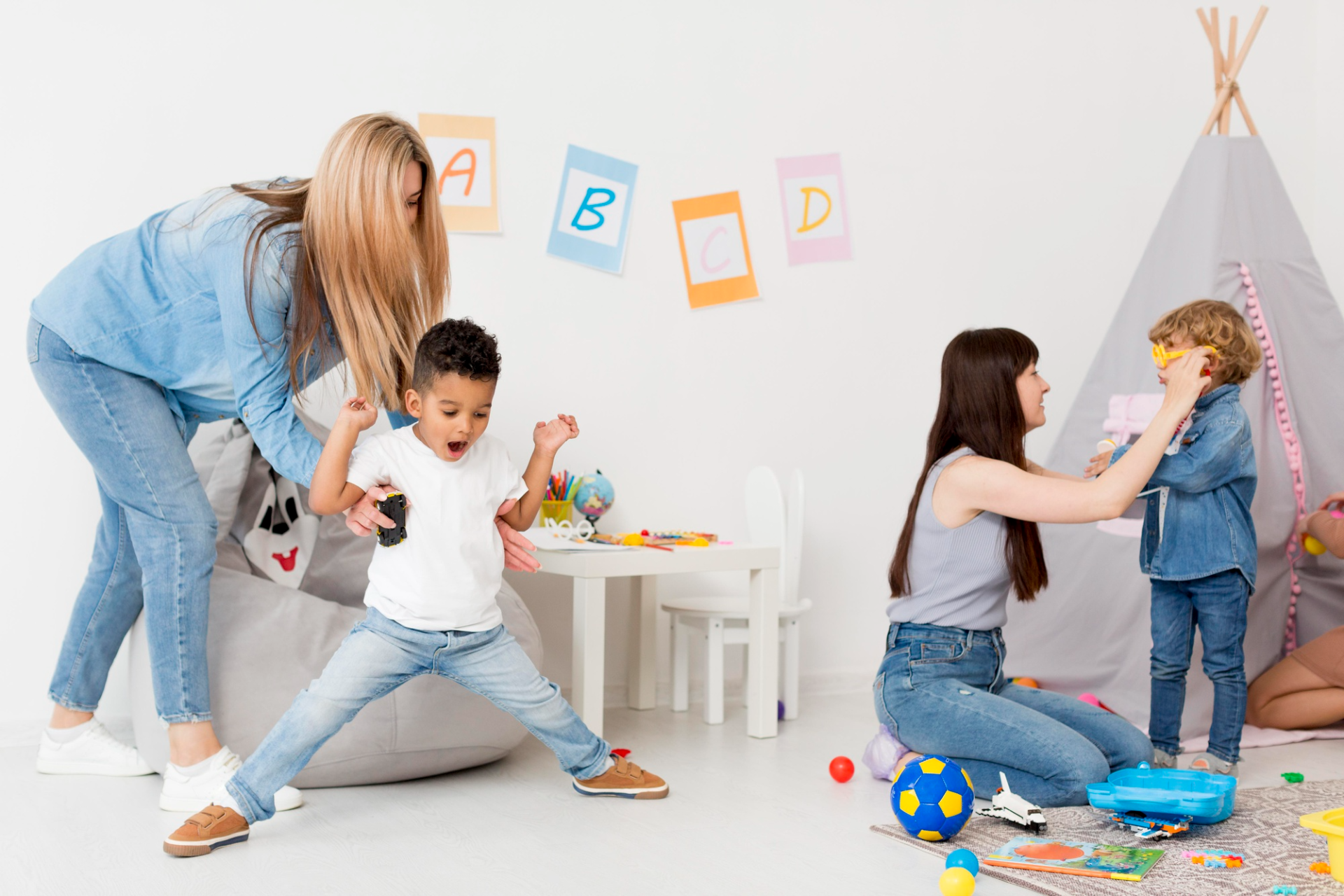
Starting Nursery 1 is an important step in a child’s early education. For some children, the move into a structured classroom feels exciting. For others, spending time away from home and meeting new people takes longer to adjust to.
Nursery 1 often introduces children to group learning, classroom routines, simple activities, and social interaction. Parents do not need to expect complete independence before enrolment. Instead, looking at a child’s communication, social, emotional, and practical skills can give a clearer idea of their readiness. For parents exploring options such as KiddiWinkie Nursery 1 in Singapore, understanding these areas can also help when comparing different preschool environments and programmes.
Signs Your Child Is Ready for Nursery 1
One useful sign is the ability to communicate basic needs. A child does not need advanced language skills, although being able to express hunger, discomfort, tiredness, or the need for help makes classroom life easier.
Following simple instructions is another useful skill. Nursery 1 children are often asked to complete straightforward tasks such as putting toys away, sitting with the group, choosing an activity, or moving from one part of the classroom to another.
Interest in other children also offers a helpful indication. Some children naturally enjoy playing alongside peers, while others prefer observing before joining in. Both responses are common at a young age. A child who gradually shows curiosity about other children is often developing useful social readiness.
Basic self-help skills also matter. Using the toilet, eating with some independence, drinking from a cup, putting on simple clothing, and washing hands are practical skills that support a smoother transition.
Emotional Readiness Matters Too
Starting nursery involves several changes at once. Children might need to spend time with unfamiliar adults, follow a new routine, share toys, and remain away from their parents for part of the day.
Separation from parents is often one of the biggest challenges. Some children settle quickly, while others need more time. Crying during the first few drop-offs does not automatically mean a child is not ready.
Parents can help by gradually introducing short periods away from home. Visits to relatives, playgroups, or other familiar childcare settings can give children opportunities to practise being away from their usual caregiver.
A predictable goodbye routine also helps. Keeping departures calm and consistent gives the child a clear understanding of what happens next.
Social Skills to Consider Before Enrolment
Nursery 1 provides frequent opportunities for children to interact with others. Sharing, taking turns, listening, waiting, and responding to teachers are all skills children develop over time.
Parents do not need to expect perfect behaviour. Young children are still learning how to manage frustration and communicate their feelings. Occasional disagreements over toys or activities are normal.
A more useful consideration is whether the child is beginning to understand simple social boundaries. For example, they might respond when asked to wait, recognise when another child is upset, or accept guidance from an adult.
These small behaviours often become stronger through regular interaction with peers.
Independence Can Make the Transition Easier
A child entering Nursery 1 does not need to handle every task alone. Teachers are there to provide support. Still, basic independence can make daily routines less stressful.
Practising simple activities at home gives children opportunities to build confidence. Eating meals independently, carrying a small bag, putting toys away, washing hands, and choosing between two appropriate options are examples.
Getting dressed can also become part of the preparation. Parents can encourage children to practise simple clothing tasks such as pulling up trousers, putting on shoes, or removing a jacket.
These skills take time. The goal is gradual progress rather than complete independence before the first day.
What If Your Child Is Not Fully Ready?
Readiness does not need to be viewed as a pass or fail decision. Children develop at different rates, and strengths in one area often appear alongside challenges in another.
A child might communicate confidently but struggle with separation. Another child might enjoy social activities but still need help with eating or toileting. These differences are common in early childhood.
Parents can speak with the nursery about specific concerns before enrolment. Understanding the centre’s routines, teacher-to-child arrangements, daily schedule, meals, rest periods, and support procedures helps families decide whether the environment suits their child.
It is also useful to ask how teachers handle children who need additional settling-in time. A gradual transition approach might make the first few weeks easier.
Preparing Your Child for Nursery 1
Preparation does not need to involve formal lessons. Everyday routines often provide enough practice.
Parents can read books about starting school, talk positively about the upcoming routine, practise simple instructions, and introduce activities involving turn-taking. Visiting the centre before the first day can also help the child become familiar with the surroundings.
Keeping conversations simple tends to work better for young children. Explaining where they will go, who will be there, what activities they might do, and when they will return home gives them a clearer picture of the day.
Avoiding dramatic goodbyes is also useful. Children often take emotional cues from adults, so a calm and predictable departure routine can provide reassurance.

Choosing the Right Nursery Environment
Readiness is only one part of the decision. The nursery itself needs to match the child’s needs and the family’s daily routine.
Parents should consider the learning approach, classroom environment, teacher experience, daily schedule, location, operating hours, meals, outdoor activities, and communication with families.
The physical environment also deserves attention. Classrooms should provide suitable spaces for play, learning, rest, movement, and quiet activities. Safety procedures and hygiene practices are equally important.
A centre that communicates clearly with parents can make the transition easier. Regular updates about a child’s adjustment, participation, eating habits, and interactions give parents useful insight during the early weeks.
Helping Your Child Settle Into Nursery 1
The first few weeks often involve an adjustment period. Children are learning new routines while becoming familiar with teachers and classmates.
Keeping home routines consistent can provide stability. Regular sleep times, familiar meals, and predictable morning routines help children manage the change.
Parents should also give children time to talk about their day. Simple questions such as what they played with or which activity they enjoyed can encourage communication without making the conversation feel like an interview.
If a child continues to experience significant distress after an extended settling-in period, speaking with the teachers is sensible. Teachers can often identify patterns that are difficult to notice at home and suggest practical ways to support the transition.
Conclusion
Nursery 1 readiness involves more than knowing letters, numbers, or colours. Communication, social interaction, emotional adjustment, basic independence, and the ability to follow simple routines are equally important.
Parents should look at the overall picture rather than expect every skill to be fully developed. With preparation, consistent routines, and the right nursery environment, many children gradually become comfortable with their new surroundings and begin building confidence in a group setting.