We live in a culture that constantly whispers — and sometimes shouts — that more is better. More clothes, more gadgets, more stuff filling every corner of every room. But somewhere between the third impulse purchase this week and the overflowing closet you can’t face opening, a quiet question starts forming. What if less actually felt better?
That’s the core of minimalism — and it’s far less extreme than most people imagine.
What Minimalism Actually Is
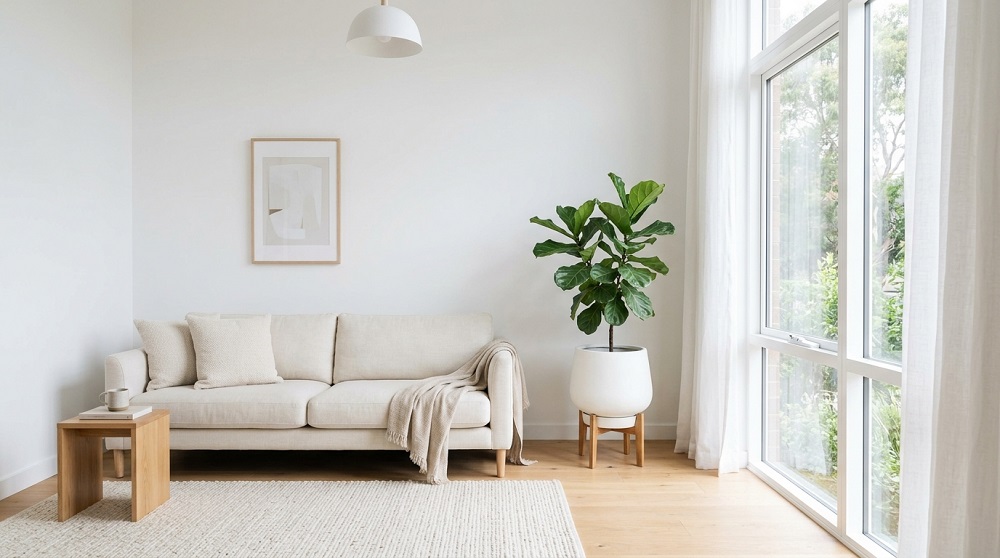
Minimalism isn’t about living in an empty white room with one chair and a single houseplant. It’s about being intentional with what you own, what you spend, and where your energy goes. It means keeping things that add genuine value to your life and letting go of everything that doesn’t. The definition looks different for everyone — and that’s entirely the point.
The Benefits Are Genuinely Surprising
Less Stress and Mental Clutter
Physical clutter creates mental clutter. Studies consistently show that cluttered environments increase cortisol levels and reduce the brain’s ability to focus. Fewer possessions mean fewer things demanding your attention, your maintenance, and your mental energy. Spaces feel calmer. Mornings feel easier. Decisions feel simpler.
More Money Saved
When you stop buying things impulsively and start purchasing only what you genuinely need or love, your spending drops dramatically. The money saved can go toward experiences, savings, debt repayment, or anything that actually improves your quality of life.
More Time and Freedom
Fewer possessions mean less cleaning, less organizing, less maintaining, and less managing. That recovered time goes back to you — for hobbies, relationships, rest, and doing things that matter far more than tidying stuff you didn’t need in the first place.
Simple Ways to Start
Begin With One Room
Don’t try to minimize your entire life in a weekend. Pick one room — or even one drawer — and sort everything into keep, donate, and discard. Small wins build momentum naturally without creating overwhelm.
Ask One Powerful Question
For every item you’re unsure about — does this add genuine value to my life? If the answer isn’t a clear yes, it’s probably a no. This single filter eliminates indecision remarkably quickly.
Stop the Inflow
Decluttering means nothing if new stuff keeps arriving at the same rate. Before any purchase, pause and ask whether you truly need it or simply want it momentarily. That pause alone prevents most regrettable purchases.
Digitize Where Possible
Paper documents, physical photos, CDs, and DVDs can often be digitized — freeing significant physical space while preserving everything that actually matters about those items.
Embrace Quality Over Quantity
Own fewer things but make them count. One excellent pair of shoes outlasts and outperforms five cheap ones. Minimalism isn’t about deprivation — it’s about upgrading your relationship with the things you choose to keep.
Final Thoughts
Minimalism isn’t a destination — it’s an ongoing practice of choosing intentionally rather than accumulating automatically. Start small, go at your own pace, and measure success by how your space and mind feel rather than by how empty your shelves are.
Less stuff. More life. It’s genuinely that simple.