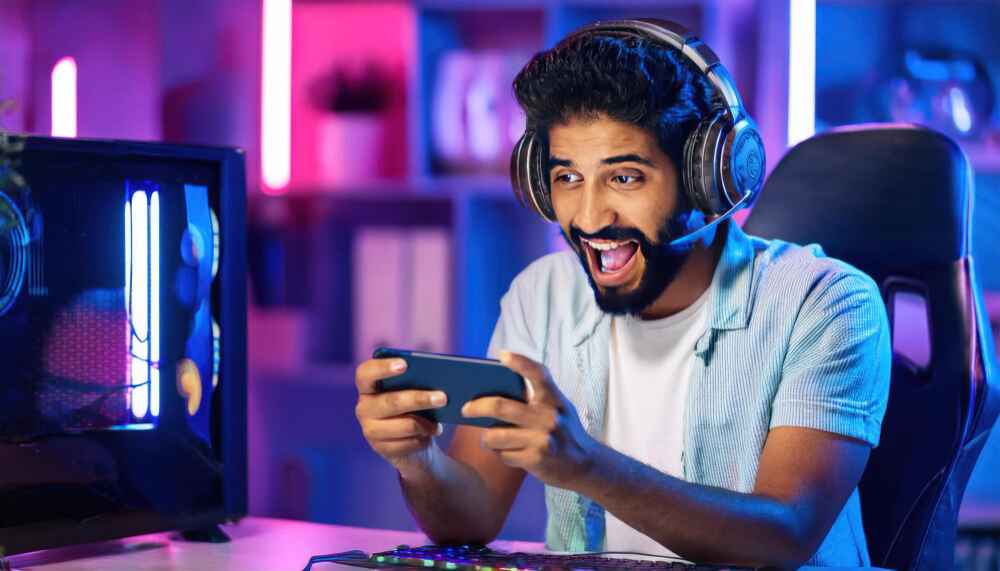
Online gaming has become a major part of modern entertainment, especially for younger generations who have grown up surrounded by smartphones, computers, and high-speed internet. What once started as a simple way to pass the time has developed into a global activity that connects millions of players. From casual mobile games to competitive multiplayer experiences, online gaming is influencing how young people communicate, learn, socialize, and spend their free time.
For the next generation of players, gaming is no longer just about winning or completing challenges. It has become a space where they build friendships, develop new skills, express creativity, and explore different digital environments. As technology continues to improve, its influence on young people is likely to become even more significant.
Changing the Way Young People Socialize
One of the biggest changes brought by online PGTO gaming is how younger players interact with others. Traditional games often involved friends sitting together in the same room, but modern multiplayer platforms allow people to connect regardless of their location.
Games with team-based features encourage players to communicate, cooperate, and work toward shared objectives. They can meet people from different countries, exchange ideas, and develop friendships through common interests. For individuals who find traditional social situations challenging, gaming communities can also provide opportunities to interact with others in a comfortable environment.
However, online interactions require awareness. Younger players may encounter inappropriate language, cyberbullying, or strangers with harmful intentions. Learning how to maintain privacy, recognize suspicious behavior, and communicate respectfully is becoming an important part of growing up in a gaming environment.
Developing Skills Through Interactive Experiences
Online gaming can offer more than entertainment when players engage with it thoughtfully. Many games require quick decision-making, strategic thinking, problem-solving, and attention to detail. These activities can encourage young players to think critically and respond to changing situations.
Strategy games, for example, often require players to manage resources, understand patterns, and plan several steps ahead. Multiplayer games can develop teamwork and leadership skills because participants need to coordinate their actions and make decisions together.
Gaming can also introduce young people to technology in practical ways. Some players become interested in game development, digital design, programming, streaming, or video editing after spending time in gaming communities.
Although these benefits depend on the type of game and how someone plays, interactive experiences can encourage curiosity and provide motivation to learn skills that extend beyond entertainment.
The Growing Influence of Gaming Communities and Competition
Gaming communities are playing an increasingly important role in shaping the interests of younger generations. Online platforms, livestreaming services, and social media allow players to follow professional gamers, watch tournaments, share gameplay, and discuss their favorite titles.
Competitive gaming has also changed how young people view gaming as an activity. Esports tournaments attract large audiences, while skilled players can build careers through professional competitions, content creation, and streaming.
For younger audiences, watching experienced players can provide inspiration and opportunities to improve their own abilities. They can learn strategies, understand different playing styles, and become part of communities built around shared interests.
At the same time, competition can create pressure. Constantly comparing performance with other players may lead to frustration or unhealthy expectations. Young gamers should understand that improving their skills takes time and that entertainment does not always need to involve winning.
Balancing Gaming With Everyday Responsibilities
Despite its positive influences, online gaming also creates challenges for the next generation. Spending too much time playing can interfere with education, physical activity, sleep, and family relationships.
The convenience of online platforms makes it easy to continue playing for longer than originally planned. Daily rewards, competitive rankings, and continuous updates can encourage players to return frequently.
Parents and guardians can help by encouraging healthy gaming habits rather than treating every game as a negative influence. Setting reasonable screen-time limits, choosing age-appropriate titles, and maintaining open communication can make a meaningful difference.
Young players should also make time for exercise, outdoor activities, education, and face-to-face relationships. A balanced routine allows them to enjoy digital entertainment without allowing it to dominate their everyday lives.
Final Thought
Online gaming is influencing the next generation in ways that go far beyond entertainment. It is changing how young people communicate, develop skills, participate in communities, and experience competition. With the continued growth of gaming technology, these experiences will likely become an even bigger part of everyday life.
The real challenge is learning how to enjoy gaming responsibly. When supported by healthy boundaries, positive communities, and appropriate guidance, online games can provide opportunities for creativity, learning, and meaningful social connections. Ultimately, the next generation will not simply be playing games; they will also be shaping the future of digital entertainment.