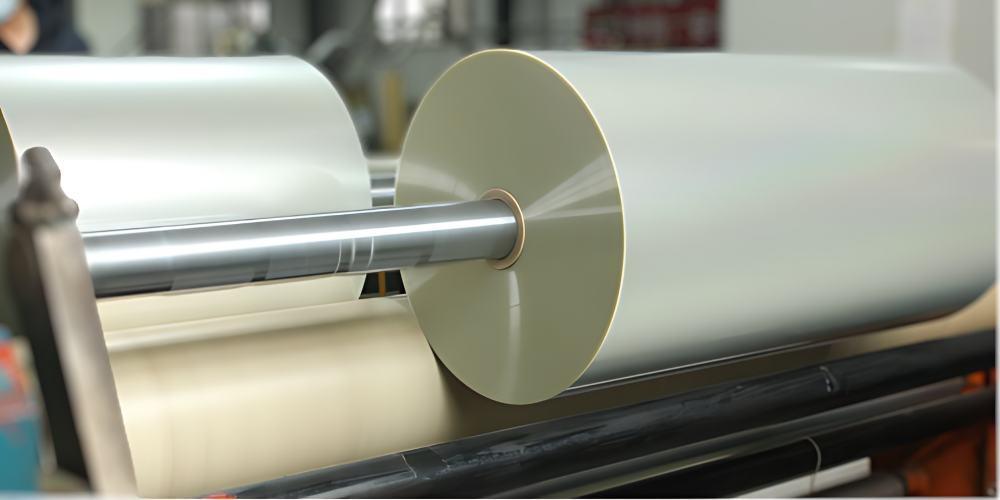
Maintaining the original taste, freshness, and quality of food products is one of the biggest challenges in the modern food packaging industry. Consumers expect packaged meals to deliver the same flavor, texture, and overall eating experience as freshly prepared food. At the same time, food manufacturers need packaging materials that can withstand demanding processing conditions, protect products during storage, and support efficient distribution. Retrortable CPP Film (RCPP) plays an important role in modern flexible food packaging. Retortable Cast Polypropylene (CPP) film is designed for use in packaging structures that undergo retort sterilization, a thermal processing method commonly used to make packaged food commercially sterile. Its heat resistance, mechanical strength, and sealing capabilities make it a valuable material for manufacturers producing ready-to-eat meals, sauces, soups, and other processed food products.
By combining suitable packaging structures with controlled retort processing, manufacturers can help preserve food quality while extending shelf life and maintaining product safety.
What Is Retortable CPP Packaging?
Retortable CPP packaging refers to flexible packaging structures that incorporate specially designed cast polypropylene film capable of withstanding high-temperature retort processing.
Unlike conventional packaging films, retort-grade CPP is engineered to maintain its functional properties under elevated temperatures and pressure. It is commonly used as an inner sealing layer in multilayer laminated packaging structures.
During retort sterilization, packaged food is exposed to controlled heat to eliminate harmful microorganisms and achieve commercial sterility. The packaging material must maintain seal integrity, structural stability, and resistance to processing conditions throughout this process.
Retortable CPP film is therefore an important component in packaging solutions designed for products that require thermal sterilization and extended storage.
How Retortable CPP Packaging Helps Maintain Original Food Taste
Preserving the original taste of packaged food involves more than simply sealing a container. Packaging must protect the product from environmental exposure while remaining stable during processing and storage.
1. Supporting Effective Food Protection
Food quality can deteriorate when products are exposed to oxygen, moisture, and other environmental factors. A properly designed retort packaging structure helps protect food from external contamination and unwanted exposure.
Retortable CPP film contributes to this protection by providing a functional sealing layer within the laminate. When combined with suitable barrier materials, the complete structure can help maintain the food’s intended quality throughout its shelf life.
2. Withstanding High-Temperature Processing
One of the main advantages of retort-grade CPP is its ability to withstand the demanding thermal conditions associated with retort sterilization.
During processing, the film must maintain its physical integrity and sealing performance. Properly selected retortable CPP helps reduce the risk of packaging failure caused by excessive heat or processing stress.
This makes it suitable for multilayer flexible packaging structures used in commercially sterilized food products.
3. Maintaining Package Seal Integrity
A reliable seal is essential for protecting packaged food after sterilization. Weak or inconsistent seals can compromise package integrity and increase contamination risk.
Retortable CPP is widely used as a heat-sealable layer because it can support strong, consistent seals when the material and sealing conditions are properly matched.
Its sealing characteristics help packaging manufacturers develop reliable pouches and laminated structures for retort food applications.
4. Supporting Flavor and Aroma Retention
Oxygen exposure, moisture changes, and interaction with unsuitable packaging materials can affect food's original taste and aroma.
Retortable CPP packaging structures can help address these challenges when engineered with appropriate barrier layers and food-contact-compatible materials.
The complete laminate structure matters because CPP alone does not provide the same high barrier performance as specialized oxygen- and moisture-barrier materials.
Important Technical Properties of Retortable CPP Film
Understanding the technical properties of retortable CPP helps food manufacturers select suitable packaging materials for specific applications.
Heat Resistance: Retort-grade CPP is developed to withstand elevated processing temperatures while maintaining its essential mechanical and sealing properties.
Heat Seal Strength: Reliable heat sealing helps maintain package integrity during sterilization, transportation, and storage.
Mechanical Durability: Suitable mechanical strength and flexibility help the packaging withstand handling and processing stresses.
Lamination Compatibility: Retortable CPP can be incorporated into multilayer packaging structures with compatible materials to achieve the required mechanical and barrier performance.
Food Contact Suitability: Packaging materials must comply with applicable food-contact regulations and suit the intended food product and processing conditions.
These properties make retortable CPP an important material for manufacturers seeking dependable flexible packaging solutions.
Common Applications of Retortable CPP Packaging
Retortable CPP film is used in different food packaging applications where high-temperature sterilization and reliable sealing performance are required.
Ready-to-Eat Meals
Ready-to-eat meals require packaging that can withstand thermal processing while maintaining package integrity. Retortable CPP is commonly used in multilayer pouches for rice dishes, prepared meals, and other convenience foods.
Soups and Sauces
Liquid and semi-liquid food products require packaging with dependable sealing performance. CPP-containing retort packaging structures can be used for soups, curry sauces, gravies, and other prepared food products.
Meat and Seafood Products
Processed meat and seafood products often require controlled thermal sterilization to achieve commercial sterility. Retortable packaging structures help manufacturers package these products while maintaining suitable protection and storage performance.
Baby Food and Purees
Certain commercially sterilized baby food products and purees use flexible retort pouches. These applications require carefully selected food-contact materials, reliable seals, and packaging structures that meet strict product safety requirements.
Pet Food Packaging
Wet pet food products, including meat-based meals and gravy products, are also commonly packaged in retort-compatible flexible pouches and laminated structures.
Retortable CPP Film vs. Conventional CPP Film
Although both materials are based on cast polypropylene, retortable CPP and conventional CPP serve different packaging requirements.
Conventional CPP is commonly used in general flexible packaging applications where standard heat sealing, flexibility, and moisture resistance are required.
Retortable CPP is specially engineered for packaging structures exposed to high-temperature sterilization. It must maintain suitable mechanical performance and seal integrity under demanding processing conditions.
The choice between these materials depends on the intended processing temperature, sterilization method, food characteristics, packaging structure, and required shelf life.
Using conventional CPP in an application requiring retort processing without proper validation may result in packaging performance problems. Manufacturers should always select a grade specifically designed and tested for the intended retort conditions.
The Importance of Multilayer Structures in Retort Food Packaging
Retortable CPP is often used in multilayer laminated packaging because different materials provide different functional properties.
For example, a typical retort pouch may combine:
- An outer polyester layer for mechanical strength and printing.
- An intermediate aluminum foil or suitable high-barrier layer for oxygen, moisture, and light protection.
- An inner retort-grade CPP layer for heat sealing and food-contact functionality.
The exact structure depends on the product’s requirements, processing conditions, and packaging design.
Combining different materials allows manufacturers to develop flexible packaging that balances barrier protection, mechanical durability, sealing performance, and attractive product presentation.
Why Retortable CPP Packaging Is Important for the Future of Food Manufacturing
Demand for convenient, shelf-stable food products continues to drive packaging innovation. Consumers increasingly value ready-to-eat meals, convenient storage, and consistent product quality.
Retortable CPP supports these developments by enabling flexible packaging structures designed for thermal sterilization. Compared with some traditional rigid packaging formats, flexible retort pouches can offer advantages in packaging weight, storage efficiency, and transportation.
Manufacturers are also exploring improvements in film thickness, sealing performance, material efficiency, and multilayer packaging design.
As food processing technology advances, the demand for reliable retort-compatible flexible packaging materials is expected to remain important across the global food manufacturing industry.
Frequently Asked Questions About Retortable CPP Packaging
1. What is Retortable CPP Film?
Retortable CPP Film is a specially engineered cast polypropylene film designed for use in flexible packaging structures that undergo high-temperature retort sterilization. It provides heat resistance, sealing functionality, and mechanical performance.
2. How does retortable CPP packaging help maintain food freshness?
It contributes to package integrity and works with suitable barrier layers to protect food from external contamination and environmental exposure. The complete packaging structure and validated sterilization process help maintain product quality during storage.
3. Can Retortable CPP Film withstand high temperatures?
Yes. Retort-grade CPP is specifically designed for elevated-temperature processing. However, its suitability depends on the grade, processing temperature, duration, pressure, and complete packaging structure.
4. What foods are commonly packaged using retortable CPP?
Common applications include ready-to-eat meals, soups, sauces, processed meat, seafood, baby food, purees, and wet pet food.
5. Is Retortable CPP Film suitable for multilayer packaging?
Yes. It is commonly used as an inner sealing layer in multilayer laminated structures that may include polyester, aluminum foil, or other suitable barrier materials.
6. What is the difference between retortable CPP and regular CPP?
Retortable CPP is engineered to withstand high-temperature sterilization while maintaining suitable sealing and mechanical properties. Conventional CPP is generally intended for packaging applications that do not require retort processing.
7. Does Retortable CPP Film alone provide complete oxygen protection?
No. Although Clear Cast Polypropylene Film provides useful packaging properties, high oxygen barrier performance generally requires additional barrier layers. The complete laminate should be selected according to the food product’s protection requirements.
Conclusion
Maintaining the original taste, quality, and safety of packaged food requires carefully selected materials and reliable processing technologies. Retortable CPP Packaging offers an important solution for food manufacturers looking for heat-resistant, flexible, and dependable packaging structures.
With its ability to support high-temperature processing, reliable heat sealing, and multilayer lamination, Retortable CPP Film plays a valuable role in packaging ready-to-eat meals, soups, sauces, seafood, and other processed food products.
By combining retort-grade CPP with suitable barrier materials and validated sterilization processes, manufacturers can develop packaging solutions that protect product quality, support longer shelf life, and meet the evolving demands of the modern food industry.