Camera shopping puts the lens, resolution and night vision at the front of the queue and leaves storage until the last afternoon — usually a tick box between the mounting kit and the delivery option. That ordering is the wrong way round. Where the recording lives decides who can watch it, what it costs every month, and whether the evidence still exists a week after something goes missing. It also decides how much of the system you can install yourself. The two answers are less of a contest than the question suggests. Local recording comes in two shapes — a copy gathered in one place, or a copy held inside each camera — while cloud sits on another axis, adding reach rather than competing. The local pair comes first, since it is the part you can set up without asking anyone.
What Local Storage Keeps in Your Hands
One Drive for Every Camera
A recorder or a hub turns several security cameras into a single archive. Capacity is bought once and sized to the property — a drive in a cupboard fills over weeks rather than hours, it can be replaced with a larger one as the household grows, and every camera writes onto the same timeline, so a clip is found by scrubbing one afternoon instead of opening four apps in turn. Nothing in the arrangement expires, the footage can be exported when a claim needs it, and the cost of looking back a year from now is the same as it is today.
Cameras That Keep Their Own Copy
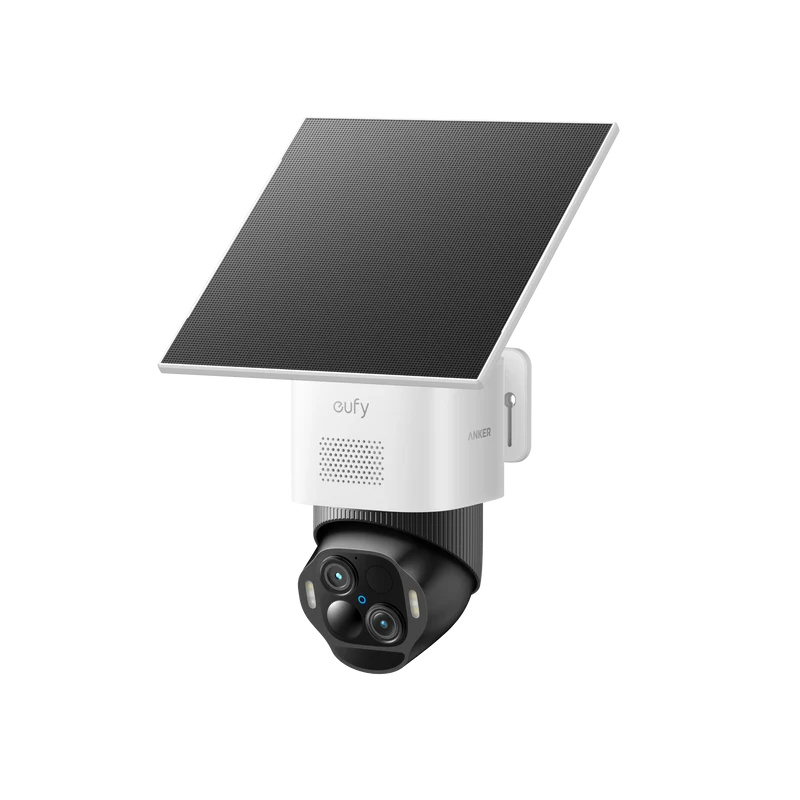
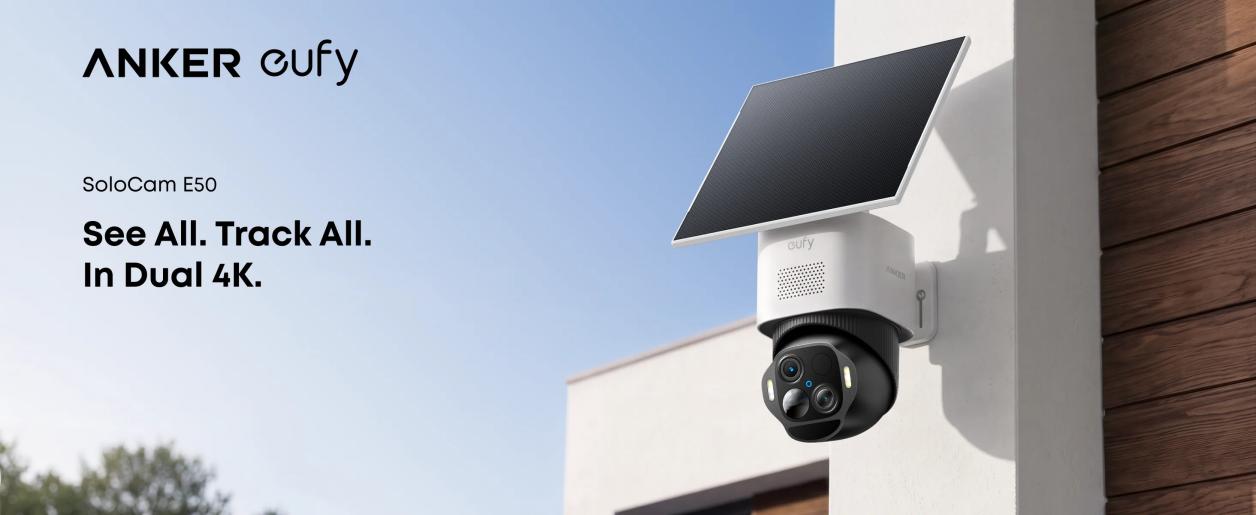
The other shape puts the copy inside the camera. There is no cable running back to a box and no cupboard to house one, which opens up a shed, a side gate, a shared hallway or a rented flat where drilling is not welcome. One camera is already a complete system — the record exists from the moment it is mounted, before any hub is bought — and a second one extends the arrangement rather than requiring it. The eufy SoloCam E50 shows the shape of it: 4K footage to a microSD card of up to 512 GB, no subscription attached, nothing to site indoors, and each camera answerable only to itself.
What a Cloud Subscription Adds
Access, Alerts and Clip Sharing
A clip reaches a phone seconds after movement, from anywhere, and can be forwarded to a neighbour keeping an eye on the house or to an insurer handling a claim. It stays reachable even when the hardware doesn’t, which is why second homes, rental lets and properties left empty for months lean on it. Subscriptions also tend to bundle smarter notifications, shared users for family members, and at some tiers a rolling window of continuous recording that no single card could hold. For a household that travels, the remote view is the product being bought — a genuinely different capability rather than a larger version of the same one.
What the Monthly Fee Buys
A subscription is best read as an operating cost with a fixed shape: a few pounds per camera per month, no capital outlay, capacity that grows with the household rather than a drive bought in advance, and someone else responsible for uptime and upgrades. That predictability suits landlords and anyone who would rather not maintain hardware themselves. The two models also combine well: cloud backup can sit as an optional layer on top of local recording, so a household can add remote access for a season abroad and set it aside afterwards while the camera keeps writing to its own storage throughout. The bill stays a choice rather than a condition of use.
Retention, Privacy and How the Rules Work
How Long Footage Should Be Kept
Most households need a fortnight rather than a year, and both routes cover that comfortably — a drive or a large card holds weeks of ordinary activity, while a cloud plan’s continuous window handles the busiest streets. Settling the window first makes the choice simple: two weeks covers a break-in noticed within days, a parcel that goes missing the same afternoon, and the month of history an insurer might ask for. It also builds the better habit, which is checking footage while the detail is fresh rather than trusting an archive nobody opens. Whichever number you land on, both routes will meet it; the difference is who holds the copy.
Who Else Can Watch the Recordings
Both routes can be run well, and each has its own strength. Local storage keeps the decision inside the household, with the card, the drive and the app all in your own hands — a good fit for anyone who would rather not add another account to the list. Cloud storage brings encryption in transit and at rest, provider-side access controls and a clear record of who viewed what, which helps when several people share a property. Either way the same courtesies serve everyone: a small sign at the gate, a field of view kept over your own ground, and a word with the neighbours before the camera goes up. Those three habits keep a system friendly to the people who pass the lens, and they cost nothing.
Conclusion
Storage is less a contest than a division of labour. Local recording gives you the archive itself: one place to point at, capacity bought once, and in eufy’s case either a HomeBase drive that holds every camera on one timeline or a card inside each camera that needs nothing else to work. Cloud adds what hardware cannot supply on its own — a view from anywhere, clips that arrive within seconds, and a copy that stays reachable while the property is empty. Used together they cover both directions, and eufy is built to allow exactly that: local first, cloud optional, neither one a condition for the other. Start with what you would want to see after an incident and how long you would want to keep it; both routes will hold it, and the better system is the one you will actually check.