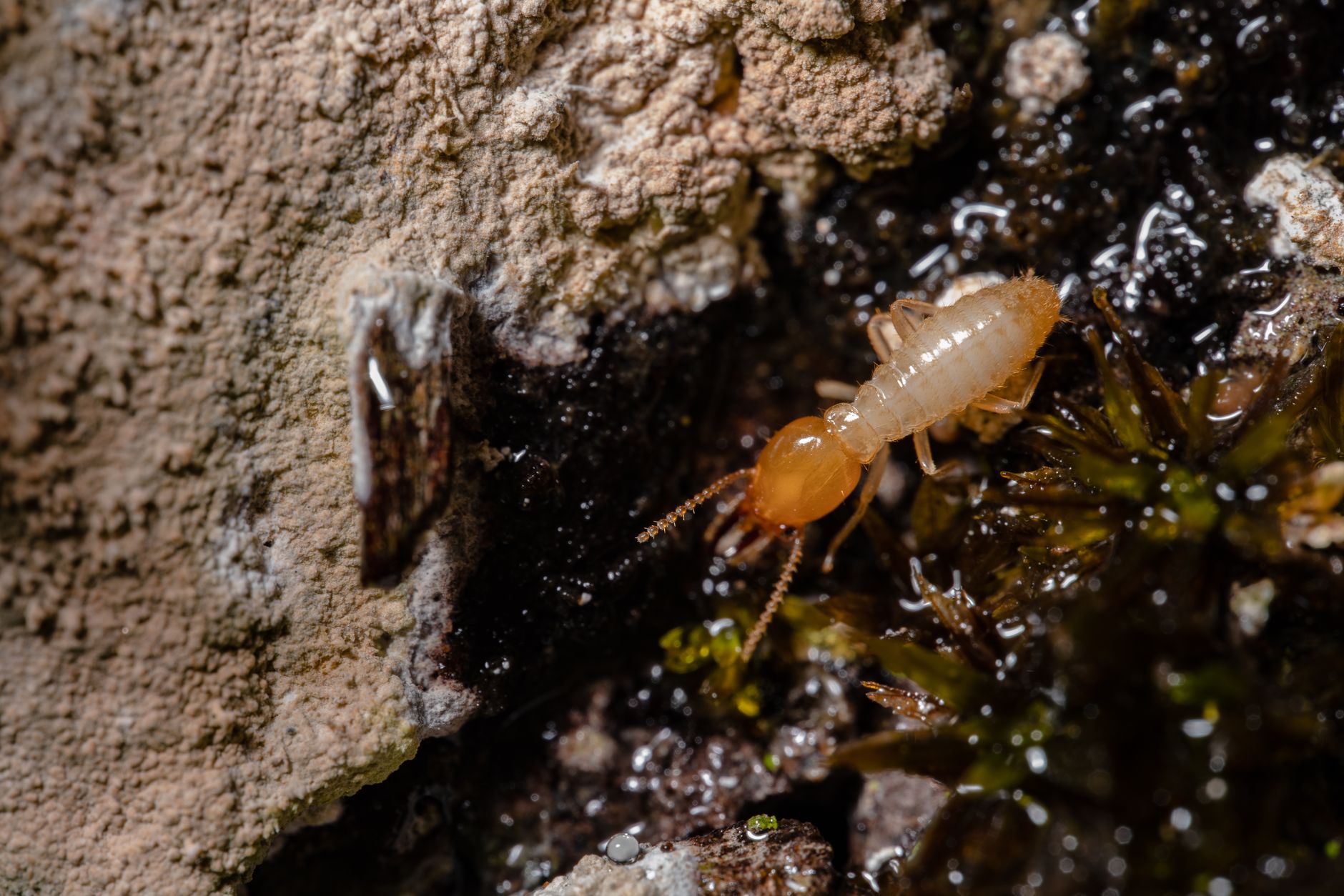
Older homes often contain construction details that have changed through decades of repairs, additions, and remodeling. Foundation sections may differ from one part of the house to another, while crawl spaces, porches, utility openings, and exterior wood can reflect several building periods. Termite control around these properties benefits from understanding that history rather than judging the structure only by its current appearance.
Age itself does not mean a house has termites. The challenge is that previous alterations, deteriorated materials, concealed structural transitions, and incomplete maintenance records can make unusual evidence harder to interpret. Homeowners need to distinguish normal aging from conditions that deserve a closer professional assessment.
A thoughtful inspection considers how the property developed over time and where older building features remain accessible. Historical repairs and additions can provide useful clues when suspicious wood damage or insect evidence appears. Agile Pest Control may evaluate these conditions when homeowners need help determining whether visible signs relate to current termite activity.
Begin With the Original Foundation and Later Additions
Many older houses have been expanded since their original construction. A rear addition, enclosed porch, converted garage, or enlarged kitchen may sit on a foundation built differently from the original structure.
These transitions deserve attention because they create places where materials, floor levels, and structural systems meet. Finished walls or flooring may conceal the exact connection, making construction history useful during an inspection.
Homeowners who have renovation plans, permits, photographs, or previous inspection reports can retain them for reference. Even incomplete records may explain why one section looks different from another.
Understand How Past Repairs Changed the Structure
Older properties often contain repairs completed by different owners and contractors. Replaced framing, patched foundations, updated siding, and reconstructed porches may change which original surfaces remain visible.
A repaired area should not automatically be considered suspicious. However, unexplained replacement wood or repeated repairs in one location can justify questions about what originally caused the deterioration.
Knowing when work occurred can help separate recent changes from longstanding conditions. Dates and photographs provide better context than assumptions based solely on the appearance of newer materials.
Examine Crawl Spaces With Their Age in Mind
Older crawl spaces may be tighter, less uniform, or more difficult to access than those in newer construction. Plumbing, wiring, insulation, supports, and previous repairs can further limit visibility.
Look for Changes Across Different Materials
Inspectors may encounter original framing beside newer replacement components. Differences in color, texture, or condition do not automatically indicate pest damage, especially when materials were installed decades apart.
Agile Pest Control may examine accessible evidence in relation to surrounding wood and foundation surfaces. Homeowners should avoid disturbing questionable areas before identification because the location and pattern of evidence can provide important context.
Pay Attention to Older Porch Connections
Porches are frequently repaired, enclosed, expanded, or rebuilt during the life of an older home. Their relationship with the main structure can therefore be more complicated than it appears from outside.
Wooden steps, supports, trim, and framing may sit near soil or landscaping that has also changed over time. Later finishes can conceal sections that were once open and easy to inspect.
Homeowners should note where porch components connect with exterior walls and foundations. If deterioration appears, determining its cause is more useful than assuming age or insects are automatically responsible.
Consider How Soil Levels Have Changed
Landscaping around a house rarely remains identical for several decades. Owners may add planting beds, mulch, walkways, patios, or new soil without realizing that these changes affect how much foundation remains visible.
A foundation edge that originally stood clearly above surrounding ground may gradually become concealed. This can make routine observation more difficult and hide transitions between soil and building materials.
Reviewing old photographs can occasionally reveal these changes. Restoring practical visibility may also help homeowners monitor exterior conditions more consistently.
Treat Old Wood Damage as Evidence, Not Proof
Aging wood can show cracks, staining, softness, previous fastener holes, moisture deterioration, or damage from historical insect activity. Appearance alone may not reveal when the change occurred.
Homeowners should resist removing questionable material immediately when an assessment is planned. Its position and relationship with nearby components may help explain whether the condition is isolated or part of a broader pattern.
Structural concerns require appropriate building expertise. Pest assessment and structural repair serve different purposes even when both involve the same piece of damaged wood.
Review Utility Openings Added Over Time
Modern services are often introduced into older homes long after original construction. Electrical upgrades, plumbing changes, heating systems, air conditioning, internet lines, and other utilities may require new penetrations.
These alterations create additional transitions through walls, floors, foundations, or exterior surfaces. Not every opening represents a meaningful pest route, and indiscriminately sealing components can interfere with their intended function.
The useful approach is to compare openings with actual evidence. Locations showing recurring suspicious activity deserve more attention than harmless construction details with no related signs.
Do Not Overlook Previous Moisture Repairs
Older houses may have a history of roof leaks, plumbing failures, basement dampness, or drainage corrections. Even after the water source is repaired, stained or deteriorated materials can remain.
Those remnants can complicate termite control because moisture damage and insect damage should not be treated as interchangeable conditions. A professional assessment can consider physical evidence while building professionals address deterioration requiring repair.
Maintenance records are especially valuable here. They can explain when a leak occurred, what materials were replaced, and whether visible damage predates current pest concerns.
Use Renovation Records as Inspection Clues
Receipts, contractor notes, inspection reports, and photographs may reveal parts of the building that are now concealed. A photograph taken during an old renovation can show framing or foundation details hidden behind finished surfaces today.
Homeowners do not need a complete historical archive for these records to be useful. Even a few dated documents can establish when certain rooms, additions, or structural components changed.
Agile Pest Control may benefit from relevant property information when evaluating suspicious evidence. Construction history cannot confirm an infestation, but it can help explain why particular areas deserve closer attention.
Keep Older Storage Areas Accessible
Basements, cellars, crawl spaces, and detached storage rooms often accumulate possessions over many years. Boxes and furniture may eventually cover walls, supports, and floor edges that would otherwise remain visible.
Gradual organization can improve access without requiring homeowners to discard useful belongings. Keeping important structural edges visible makes new changes easier to recognize.
Stored paper, cardboard, and scrap wood should also be managed sensibly. Dense piles can obscure evidence and make inspection unnecessarily difficult.
Separate Historical Evidence From Current Activity
One of the most important questions in an older home is whether visible evidence represents an active problem or something that happened years earlier. Previous owners may have addressed pest activity without leaving complete records.
Fresh changes, recurring evidence, or live insects provide different information from old damage that remains unchanged. Homeowners can photograph questionable areas and compare them over time when appropriate.
Professional identification becomes particularly valuable when the history is unclear. The goal is to understand current conditions without treating every old defect as an active infestation.
Protect an Older Home Through Better Context
Older houses deserve inspection methods that account for their individual histories. Additions, repairs, altered soil levels, utility upgrades, moisture events, and replacement materials can all affect how current evidence is interpreted.
Termite control should therefore focus on confirmed signs and relevant building conditions rather than age alone. Preserving records, maintaining access, documenting changes, and separating structural repairs from pest assessment can prevent unnecessary conclusions.
A home that has stood for decades contains layers of information about how it was built and maintained. Understanding those layers gives homeowners a clearer basis for recognizing meaningful changes, investigating suspicious evidence, and making informed decisions about future property care.