Bluetooth headsets have become a common part of modern audio technology. By removing the need for wired connections, they provide greater freedom of movement while supporting a range of listening and communication needs. Their development has also introduced improvements in sound quality, battery performance, connectivity, and comfort, making them suitable for work, entertainment, travel, and exercise.
Key Features and Benefits
Modern Bluetooth headset offer features designed to improve convenience and listening quality. One of the most widely adopted features is active noise cancellation (ANC), which reduces surrounding sounds by using microphones and audio processing technology. This feature can be particularly useful for people who work in busy environments, travel frequently, or prefer fewer distractions while listening.
Battery performance has also improved considerably. Many models provide more than 30 hours of playback, depending on factors such as volume, connectivity, and noise cancellation settings. Fast-charging capabilities can provide additional listening time after only a short charging period, reducing the need for frequent recharging.
Improved Connectivity
Bluetooth technology has developed significantly from its earlier versions. Newer standards provide more reliable connections, improved efficiency, and better compatibility with modern smartphones, tablets, and computers.
Multipoint connectivity is another useful feature found in many current models. It allows a headset to connect to more than one device and switch between them when needed. For example, a person can remain connected to a laptop for work while also maintaining a connection to a smartphone for calls.
Design and Comfort
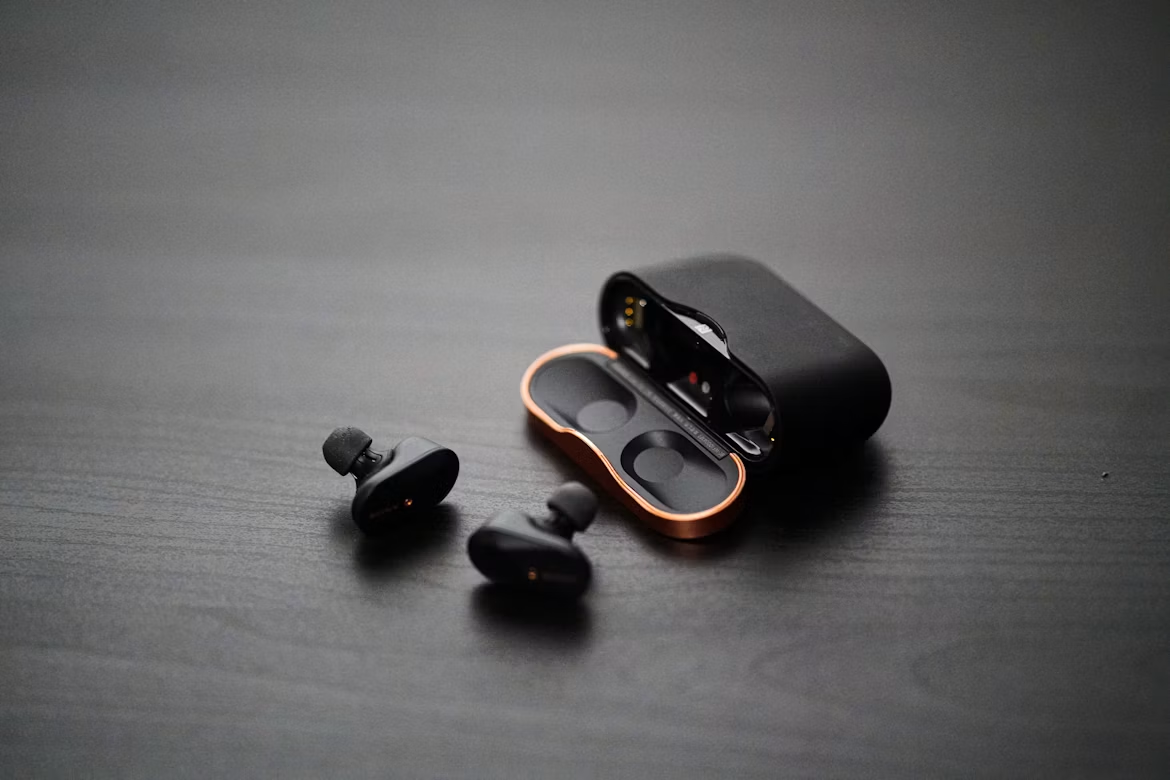
Headset designs now cover a wide range of preferences. In-ear, on-ear, and over-ear models offer different levels of portability, sound isolation, and comfort.
Ergonomic design has become an important consideration, particularly for people who wear headsets for several hours. Manufacturers commonly use lightweight materials, adjustable headbands, cushioned ear cups, and carefully shaped ear tips to improve fit. The right design depends on how the headset will be used, whether for commuting, office work, gaming, exercise, or general listening.
Role in Everyday Activities
Bluetooth headsets have become useful in many areas of daily life. In professional settings, they support online meetings, phone calls, and other forms of remote communication without the restrictions of a cable. This makes them practical for people who frequently move between workstations or work in flexible environments.
They are also widely used during exercise and outdoor activities. Wireless connectivity allows users to move freely without dealing with cables that can become tangled or interfere with movement.
Audio Quality and Drivers
Sound quality remains an important factor when selecting a Bluetooth headset. Modern models can support high-quality audio codecs, including AAC and aptX, depending on the headset and connected device. These codecs can help improve audio transmission over Bluetooth.
The quality and design of the headset's drivers also influence sound reproduction. Well-designed drivers can produce a balanced presentation across different frequencies, including bass, midrange, and treble. This can benefit a range of content, from music and films to audiobooks, podcasts, and voice calls.
Environmental Considerations
Sustainability has become an increasing consideration in consumer electronics. Manufacturers are exploring the use of recyclable materials, more efficient packaging, and production methods that reduce waste.
Some companies also provide recycling or trade-in programmes for older electronic devices. Such initiatives can encourage consumers to return unwanted headsets instead of disposing of them as general waste. Product durability and repairability can also contribute to reducing the environmental impact associated with frequent replacement.

Future Developments
The next generation of Bluetooth headsets is expected to introduce further improvements in intelligent audio and connectivity. Artificial intelligence and machine learning could allow devices to adjust sound settings according to listening habits, surroundings, or specific activities.
Voice recognition may also become more closely integrated into headsets. As smart home and Internet of Things (IoT) devices become more common, Bluetooth headsets could serve as convenient interfaces for controlling compatible devices through voice commands.
Other developments may include improved battery efficiency, enhanced noise cancellation, better microphone performance, and more advanced spatial audio capabilities.
Choosing the Right Bluetooth Headset
Choosing a Bluetooth headset requires consideration of how it will be used. Sound quality may be the main priority for music listeners, while professionals may place greater importance on microphone quality, comfort, and multipoint connectivity. Travellers may benefit from effective noise cancellation and long battery life, while people who exercise may prefer lightweight and secure-fitting designs.
It is also useful to consider compatibility with existing devices, charging requirements, controls, and overall fit. Comparing several models can help consumers identify a headset that matches their listening habits and practical requirements.
Conclusion
Bluetooth headsets have developed from simple wireless listening accessories into versatile devices for communication, entertainment, work, and everyday activities. Improvements in connectivity, battery life, noise cancellation, comfort, and audio performance have expanded their usefulness across different situations.
As wireless and smart technologies continue to develop, Bluetooth headsets are likely to gain more intelligent features and stronger integration with connected devices. Their continued development reflects the growing demand for convenient audio solutions that combine mobility, functionality, and reliable performance.