
The Growing Popularity of Large Format Tiles in Interior Design
Large format tiles have become increasingly common in modern residential and commercial interiors. Their larger dimensions, reduced grout lines, and range of finishes allow designers and property owners to create clean and spacious-looking environments. Flooring specialists such as Futar Singapore have responded to this demand by offering a variety of large format tile options for different design requirements.
Why Large Format Tiles Are Popular
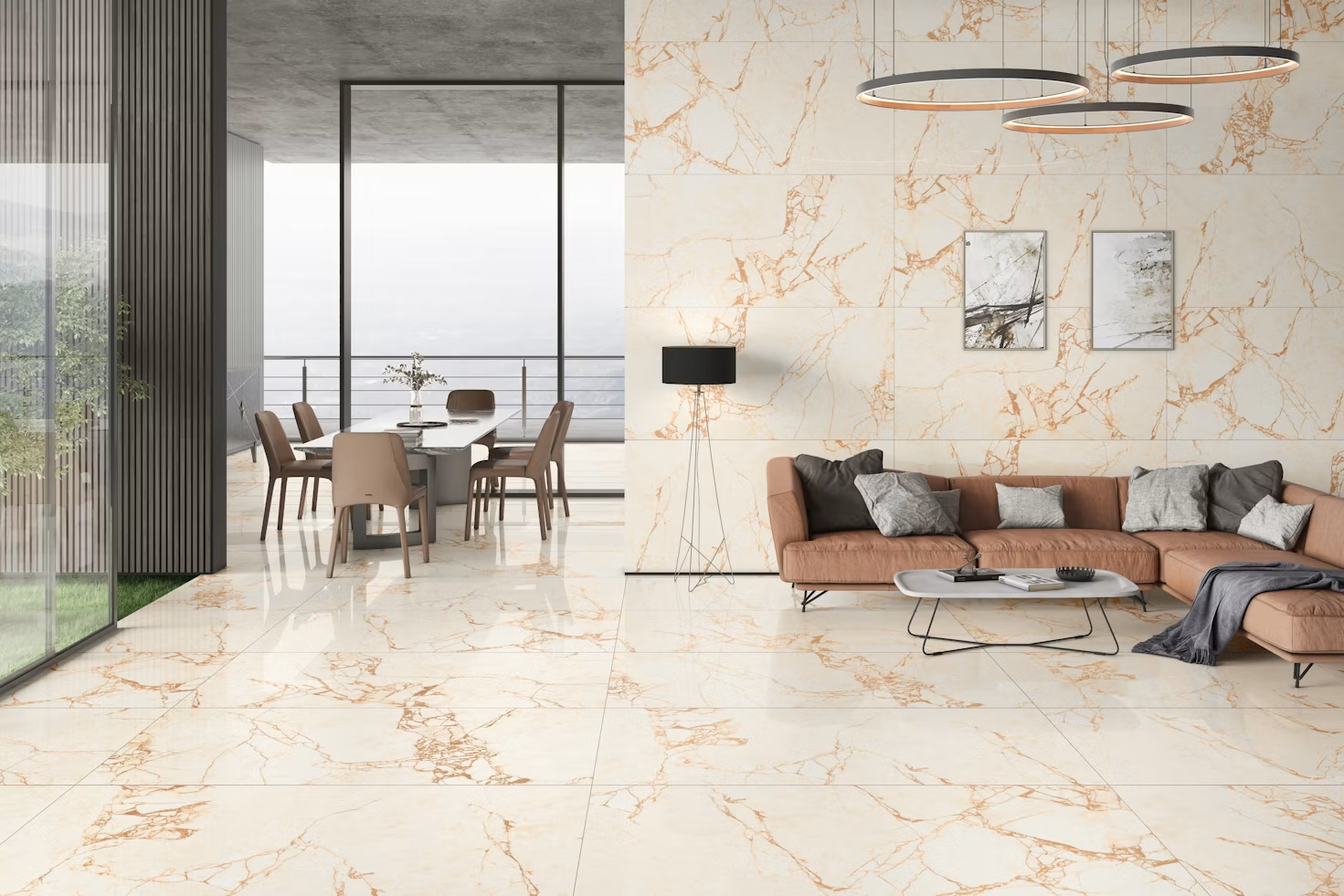
Large format tiles are considerably larger than conventional tile sizes. Their dimensions help create a more continuous surface, making rooms appear more open and reducing the visual breaks created by multiple grout lines.
The minimalist appearance of these tiles suits contemporary interiors, where simple surfaces and uncluttered layouts are often preferred. They can be used in homes, offices, retail spaces, hotels, and other commercial environments, providing a consistent appearance across different settings.
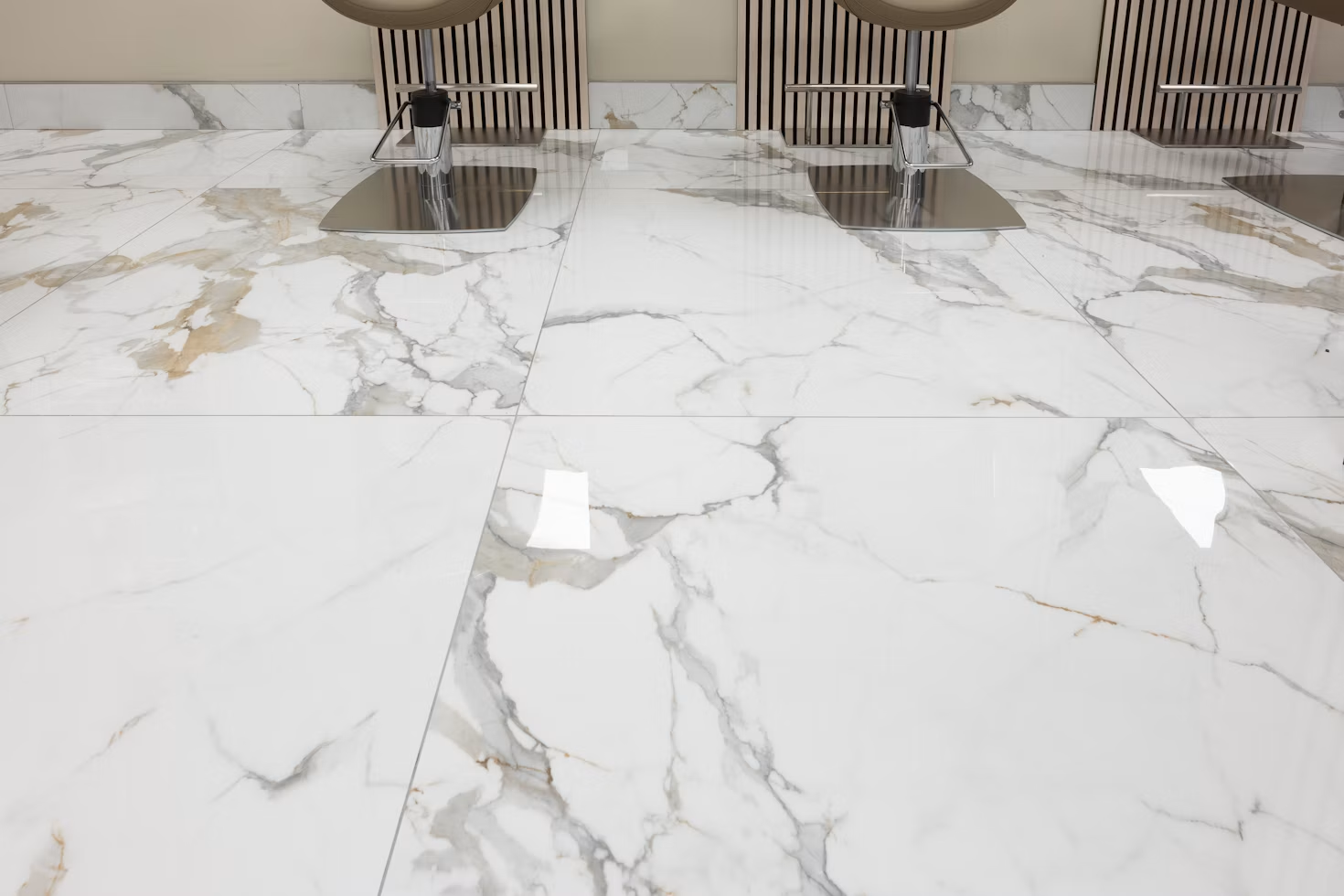
Fewer grout lines can also make tiled surfaces easier to maintain. With less grout exposed, there are fewer areas where dirt and moisture can accumulate, particularly when the tiles are used on walls, floors, kitchens, and bathrooms.
Materials and Their Benefits
Large format tiles are manufactured using several materials, each with different characteristics.
Porcelain is widely used because of its strength, durability, and resistance to moisture. Its low water absorption makes it suitable for areas that experience regular exposure to water, including kitchens and bathrooms. Certain porcelain tiles can also be used outdoors, depending on their specifications.
Natural stone, including marble and granite, provides distinctive patterns and a high-end appearance. While these materials can require more maintenance than porcelain, their natural variations make each installation visually different.
Cement and concrete-look tiles are suitable for interiors that follow an industrial or minimalist design. Their muted appearance works well with modern furniture, metal finishes, and neutral colour schemes.
Manufacturing technology has also improved the performance of large format tiles. Modern products may include textured surfaces for improved slip resistance, more detailed surface finishes, and production methods designed to reduce material and energy consumption.
Design Applications
Large format tiles provide several options for interior applications. Their broad surfaces allow patterns, textures, and colour variations to be displayed with fewer visual interruptions.
Flooring remains one of the most common applications. Large tiles can create a continuous floor surface in living rooms, hallways, offices, and commercial spaces. They can also be used on walls to create feature surfaces or to establish a consistent finish throughout a room.
Kitchens and bathrooms can particularly benefit from large format wall and floor tiles. The reduced number of grout joints can simplify cleaning and limit areas where moisture and dirt can collect.
Large format tiles can also be incorporated into furniture and fixtures. They can be used for countertops, tabletops, vanity surfaces, and other applications where a durable, coordinated finish is required. Using the same tile across floors, walls, and surfaces can help create a consistent interior design.
Installation Requirements
The installation of large format tiles requires careful planning because their size and weight make them more difficult to handle than standard tiles. Professional installation is recommended to ensure accurate positioning, adequate support, and consistent alignment.
Proper substrate preparation is particularly important. The surface needs to be sufficiently flat and stable because uneven areas can place stress on the tiles and increase the risk of cracking or lippage. Large tiles can also make surface imperfections more noticeable because of their size.
Suitable adhesives, tools, lifting equipment, and installation techniques may be required depending on the tile dimensions and application. Careful preparation can improve the appearance and durability of the finished surface.
Cost Considerations
Large format tiles can have a higher upfront cost than smaller alternatives. The price of the tiles, specialist installation, transportation, handling equipment, and substrate preparation can all affect the total project cost.
However, the overall value can extend beyond the initial purchase. Fewer tiles may be required to cover a particular area, while the reduced number of grout lines can simplify cleaning and maintenance. Durable materials such as porcelain can also provide long-term performance when properly installed and maintained.
For this reason, large format tiles can be considered a long-term investment rather than simply a higher-cost flooring option.
Sustainability and Environmental Considerations
Sustainability has become an increasingly important consideration in construction and interior design. Tile manufacturers are responding by introducing products that incorporate recycled materials and production methods designed to reduce resource and energy consumption.
Porcelain and ceramic tiles are made from widely available mineral-based materials and can have long service lives. Their durability can reduce the frequency of replacement, which may help limit material waste over time.
Manufacturing improvements, including more efficient kilns and increased use of recycled content, are also contributing to efforts to reduce the environmental impact of tile production.
Future Developments
The use of large format tiles is expected to remain relevant as residential and commercial interiors continue to favour open layouts and streamlined surfaces. Advances in manufacturing are likely to expand the available sizes, textures, patterns, and technical properties.
Future developments may also include tiles designed to provide additional functions beyond surface finishing. Heated tile systems, responsive surfaces, and other technology-enabled applications could become more common as manufacturers explore ways to combine building materials with smart-home and building technologies.
As design priorities continue to focus on appearance, durability, ease of maintenance, and sustainability, large format tiles are likely to remain a practical option for modern interiors.