A beautiful home is about more than expensive furniture or perfectly coordinated décor. The most inviting interiors create a sense of comfort that encourages people to relax and spend time together. Yet many well-designed rooms still feel cold, unwelcoming, or unfinished because of a handful of common design mistakes.
These issues often have little to do with square footage or budget. Instead, they stem from choices involving color, lighting, texture, furniture placement, and temperature control. By identifying these problems, homeowners can create interiors that feel warmer, more balanced, and more enjoyable throughout the year.
Choosing the Wrong Wall Colors
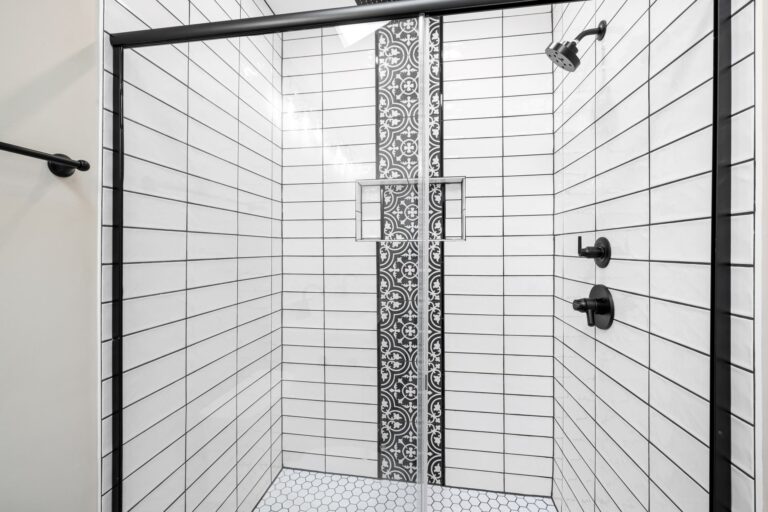
Wall color establishes the mood of a room before any furniture or decorative accessories are added. While bright white walls remain popular, using only stark whites throughout an entire home can sometimes make spaces feel sterile, especially when combined with minimal décor and cool lighting.
Adding subtle color creates more visual depth without sacrificing brightness. Soft neutrals, muted earth tones, and carefully selected shades of blue wallpaper can introduce personality while maintaining a calm atmosphere. Blue wallpaper collections include everything from delicate textures and classic patterns to bold statement designs, allowing homeowners to create spaces that feel both elegant and welcoming without overwhelming the room. A balanced approach ensures that color enhances the overall design instead of dominating it.
Layering complementary furnishings and natural materials alongside thoughtfully chosen wall finishes helps create interiors that feel comfortable rather than clinical.
Ignoring Texture Throughout the Room
Texture is one of the most overlooked elements of interior design.
Rooms that rely entirely on smooth surfaces such as painted drywall, glass, polished metal, and glossy flooring often feel flat, even when they are beautifully decorated.
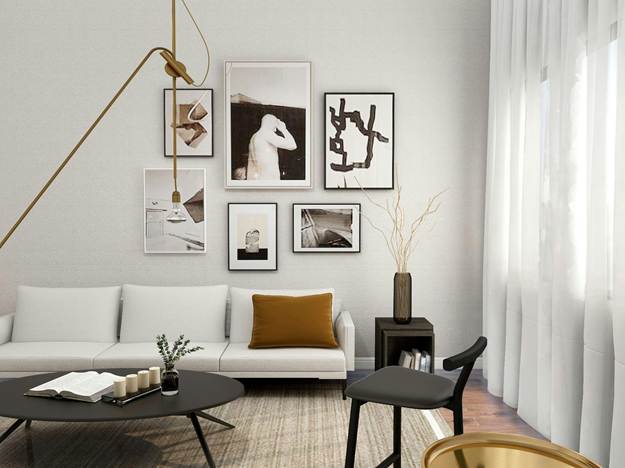
Introducing a variety of textures creates visual interest and warmth. Natural wood furniture, woven baskets, linen curtains, wool rugs, upholstered seating, ceramic accessories, and layered fabrics all contribute to a richer environment.
Texture also helps soften modern interiors that emphasize clean lines and minimal decoration. Instead of adding clutter, carefully selected materials create balance while making rooms feel more inviting.
A successful space usually combines multiple textures rather than relying on a single dominant material.
Depending Only on Overhead Lighting
Lighting dramatically affects how comfortable a room feels.
Many homes rely almost entirely on ceiling fixtures, producing harsh illumination that creates strong shadows and a less welcoming atmosphere.
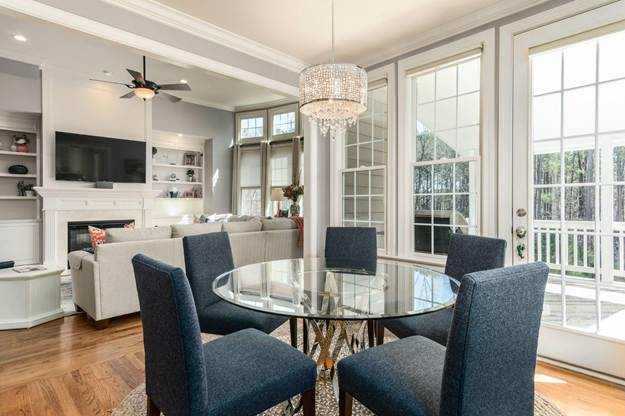
Layered lighting produces better results. Floor lamps, table lamps, wall sconces, and accent lighting provide softer illumination while allowing homeowners to adjust brightness for different activities.
Natural light is equally important. Keeping windows unobstructed whenever possible allows daylight to enhance interior colors while making rooms appear larger and more comfortable.
Combining natural and artificial lighting thoughtfully helps maintain a pleasant atmosphere from morning through evening.
Overlooking Comfort Alongside Style
Interior design should support everyday living rather than focusing exclusively on appearance.
A room may look impressive in photographs yet feel uncomfortable if seating is too rigid, furniture is poorly arranged, or indoor temperatures fluctuate throughout the day.
Maintaining consistent comfort involves more than choosing attractive furniture. Heating and cooling systems also influence how welcoming a space feels. Installing an energy star smart thermostat can help homeowners maintain stable indoor temperatures while improving energy efficiency. Energy Star-certified smart thermostats automatically adjust heating schedules, allow remote control through mobile devices, and learn household routines to reduce unnecessary energy use without sacrificing comfort. This combination of convenience and efficiency supports a consistently pleasant living environment throughout changing seasons.
When comfort and design work together, a room becomes a place people naturally want to spend time in.
Filling Every Corner With Furniture
One common misconception is that larger rooms require more furniture.
In reality, overcrowded layouts often make interiors feel smaller, less functional, and visually overwhelming. Limited walking space also disrupts the natural flow of a room.
Leaving intentional open areas allows architectural features, artwork, and decorative pieces to stand out while improving movement throughout the home.
Furniture should be selected according to the room’s purpose rather than simply filling available floor space. Every piece should contribute to comfort, function, or visual balance.
A thoughtfully arranged room often feels warmer because it appears organized, breathable, and easier to enjoy.
Forgetting the Importance of Personal Character
Some interiors feel cold simply because they lack individuality.
Rooms designed solely around current trends may appear attractive initially but often feel impersonal over time. Adding meaningful artwork, family photographs, books, travel souvenirs, handcrafted décor, or collected objects introduces personality that cannot be replicated through furniture alone.
Natural plants also help soften interiors while bringing color and life into the space.
The most welcoming homes reflect the people who live in them rather than resembling a showroom. Personal touches create emotional warmth that no decorating trend can replace.
Creating a warm home rarely depends on a single design decision. Instead, it results from balancing color, lighting, texture, comfort, layout, and personal expression. By avoiding common mistakes and making thoughtful improvements, homeowners can transform interiors that feel cold into spaces that are comfortable, functional, and inviting for everyday living.