
My daughter was three, elbow-deep in bathwater, when she looked up and asked if the giraffes on the ark got seasick. I didn’t have an answer. I still don’t, honestly. But I remember standing there with a wet towel over my shoulder, thinking: she gets it. She’s not just repeating a story back to me. She’s living inside it, asking her own questions, making it hers.
That’s the thing about kids and Bible stories — the good ones don’t just tell the story. They pull a kid into it. And lately, some of the best ways I’ve found to do that aren’t books at all. They’re animated stories from the bible — the kind with color and movement and a little bit of silliness, the kind that make a three-year-old ask a question in the bathtub three days later.
Why Kids Connect With Bible Stories Through Animation
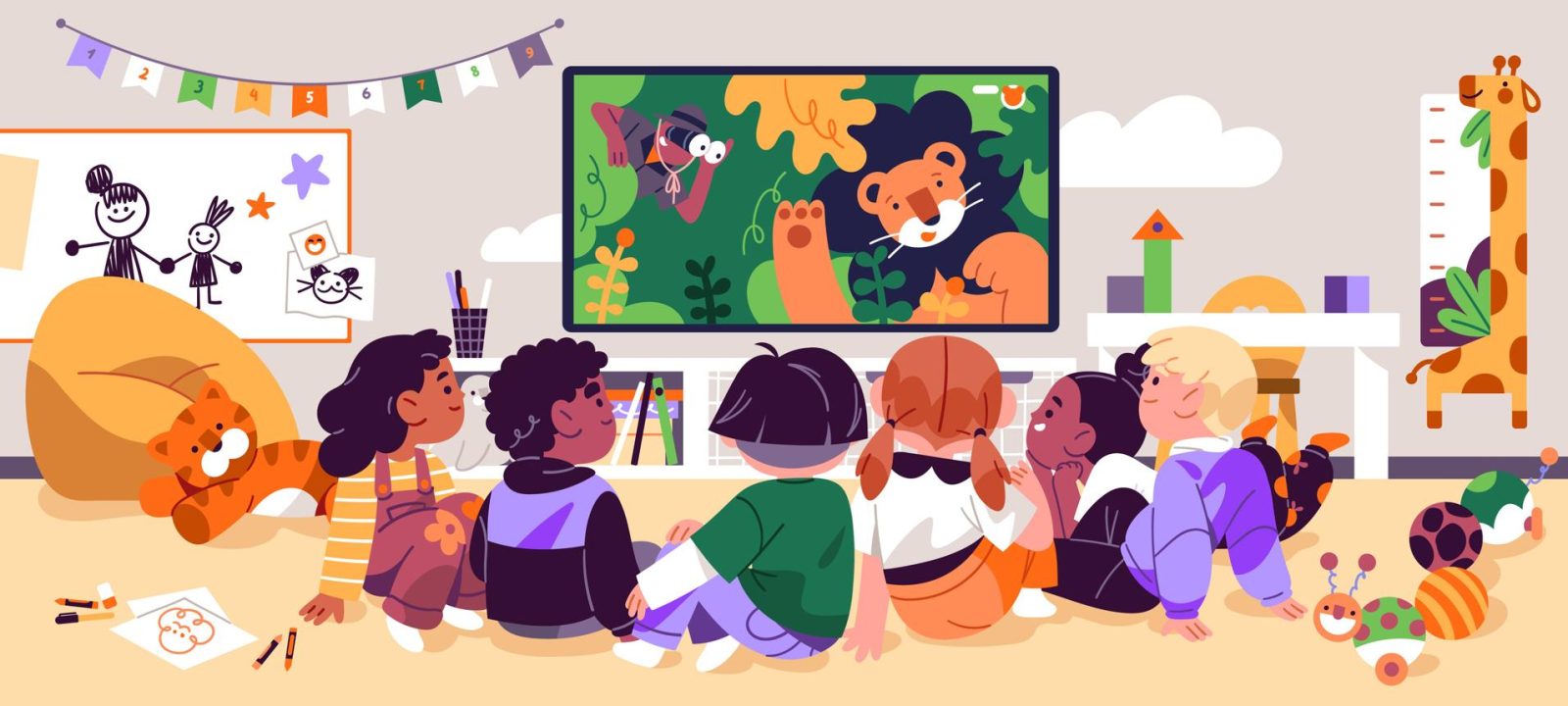
Here’s something I didn’t fully understand until I had kids of my own: little ones don’t experience stories the way adults do. We read for meaning. They read for feeling — the roar of the sea, the size of the ark, whether the lion in the den looked scary or friendly. Animation gives them that. A flat page with text on it asks a lot of a kid who can’t read yet. A moving image with sound and color meets them exactly where they are.
I noticed this with my son around age four. We’d read the same Noah’s Ark board book for months and he was polite about it, mostly. Bored, honestly. Then he watched an animated version at a friend’s house — same story, completely different reaction. He was glued. Afterward he wanted to act it out with his stuffed animals for an hour. Same content. Totally different door in.
That’s not a knock on books. We still read plenty. But animation does something books can’t always do for a kid this young — it makes the story move, and movement is how little kids pay attention.
How Animation Makes Bible Lessons Easier to Understand and Remember
Kids this age remember scenes, not sentences. Ask a four-year-old what a story was about and you’ll usually get a blank stare. Ask them what happened right before the big storm, or what the animals looked like walking up the ramp two by two, and suddenly they’ve got a lot to say.
Animation leans right into that. A well-made scene sticks — the color of the water, the sound the thunder made, the way a character’s face looked scared and then relieved. Those details are what a kid actually carries around in their head, and later, those are the hooks that pull the deeper meaning back up. “Remember how scared everyone was, and then God kept his promise?” That sentence means something to a kid because they can see it, not just because they heard it once.
One thing I’ll admit — we’ve tried a few Bible apps that were basically just a cartoon slapped over Sunday school language, and my kids checked out within a minute. It’s not animation alone that does the work. It’s animation paired with a story that actually respects how a young kid thinks, at a pace that doesn’t rush past the parts they need to sit in for a second.
Turning Screen Time Into Meaningful Bible Learning
I used to feel a little guilty handing my daughter a tablet. Still do, some days, if I’m honest. But somewhere along the way I stopped treating all screen time as equal, because it isn’t. Fifteen minutes of an algorithm feeding her whatever keeps her staring is different from fifteen minutes with a story about kindness, or courage, or a Bible character learning something hard.
This is actually where we landed on the AbbaKid app in our house — not because it solved screen time guilt entirely (nothing does), but because it gave us something to hand her that we didn’t have to hover over. It’s ad-free, which matters more to me than almost anything else on a kids’ app, and the stories are organized around themes like kindness, family, and bedtime, so it’s easy to hand her something that actually fits the moment — a calmer story before bed, a funnier one on a rainy afternoon. There’s a free tier to start with, which felt like a low-stakes way to see if it’d actually stick before committing to anything more.
It didn’t replace our bedtime reading. It just became one more tool — the one I reach for on the nights I’m too tired to do the voices myself.
How Parents Can Use Animated Bible Stories at Home
We don’t have a system. I want to be honest about that, because every parenting article makes it sound like families have a rhythm and a routine and we absolutely do not. Some weeks we watch an episode together every night. Some weeks we forget for ten days straight and then remember on a random Tuesday because she asks.
What’s worked, loosely: watching with her instead of just handing over the tablet and walking away. Not every time — some days I need the ten minutes to myself and that’s fine too. But when I do sit next to her, she talks. She asks why Jonah ran away, or whether the shepherd was scared of the wolves. Those conversations happen because she watched something that gave her something to ask about.
And letting her rewatch the same episode fifteen times isn’t a failure. It’s actually the opposite. Kids learn through repetition in a way that would drive an adult insane, and every rewatch is another chance for a new detail to land, another chance for her to ask a slightly different question than last time.
She still asks about the giraffes, by the way. I still don’t have an answer. I’ve stopped trying to give her one — I just ask her what she thinks happened, and some nights that’s the best part of the whole day.