
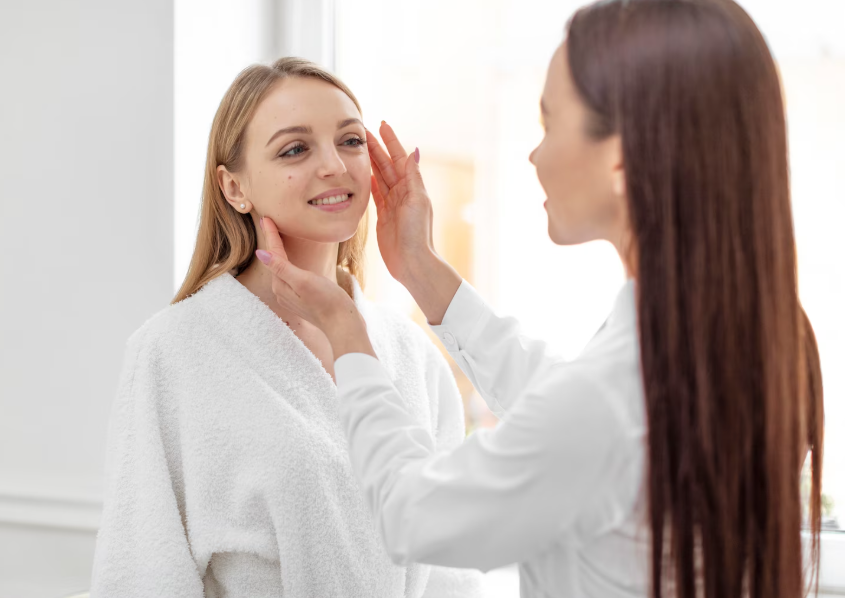
Milia, often misunderstood and frequently mistaken for other skin conditions, are small, white cysts appearing on the skin. A common culprit on the face, especially around the eyes, milia are harmless but can be a source of aesthetic concern for many. Understanding the causes, different treatment options, and finding the right solution are crucial in managing this skin condition effectively.
What Are Milia?
Milia are small keratin-filled cysts that form just beneath the skin’s surface. Unlike acne, milia develop when tiny skin flakes become trapped in small pockets near the surface of the skin. They are hard to the touch and do not cause pain or swelling, making them primarily a cosmetic issue rather than a medical one.
Milia often appear on the face, particularly around the eye area, though they can also manifest on the body's other parts. They are not rare and can occur at any age, affecting both men and women. Newborns are particularly prone to milia, but the condition tends to resolve on its own in infants.
Causes of Milia
Several factors contribute to the development of milia. Some of the most common include:
– Sun Damage: Prolonged exposure to the sun can lead to milia, as it affects skin health, leading to these cysts' formation.
– Product Build-up: Using heavy creams consistently can trap dead skin cells and oils, forming milia.
– Lack of Exfoliation: When skin is not regularly exfoliated, dead skin cells can accumulate and cause blockage.
– Genetic Factors: Some individuals are more genetically predisposed to developing milia.
Prevention Strategies
Though not entirely preventable, certain skincare practices can reduce the likelihood of milia formation:
– Regular Exfoliation: Incorporating regular exfoliation into your skincare routine helps prevent the build-up of dead skin cells.
– Sun Protection: Always apply a high-SPF sunscreen to protect skin against sun damage.
– Avoid Heavy Products: Choose non-comedogenic skincare products to avoid clogging pores.
Treatment Options for Milia
Treating milia can range from simple home remedies to professional treatments. Here are some methods commonly used:
Over-the-Counter Solutions
– Retinoids: Topical retinoids (like tretinoin creams) are often recommended to accelerate skin turnover and clear milia.
– Exfoliating Agents: Products containing salicylic acid or glycolic acid can help remove dead skin layers.
Professional Treatments
For more stubborn cases, visiting a dermatologist or a licensed aesthetician may be necessary.
– Extraction: A professional can manually remove milia using a sterile needle. This is often the quickest solution but should never be attempted at home due to infection risks.
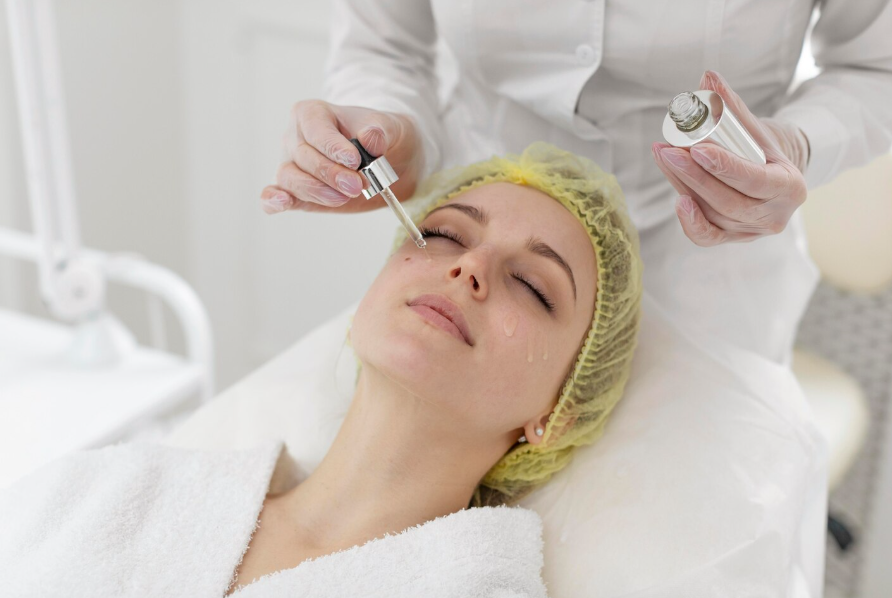
– Chemical Peels: Professional-grade chemical peels can help in removing milia by exfoliating the top layers of skin.
One can also explore milia seed treatment in Singapore, renowned for its varied treatment options in addressing skin conditions efficiently and effectively.
When to Seek Medical Advice
While milia are mostly harmless, individuals should consult a healthcare provider if:
– They become large, red, or painful, indicating a possible infection.
– There is significant change in appearance.
– Standard at-home treatments are ineffective.
FAQs About Milia
Are Milia Permanent?
Milia are generally not permanent. Many cases resolve on their own, especially in children. However, persistent cases may require treatment.
Do Milia Indicate a More Serious Health Condition?
Milia themselves are harmless and not indicative of underlying health issues. However, if accompanied by other skin changes or symptoms, consultation with a dermatologist is advisable.
How Long Do Milia Take to Resolve?
In many cases, milia disappear naturally within a few weeks to months. Professional treatment can speed up their removal significantly.
Conclusion
Understanding milia and the various approaches to treatment is essential for managing this common skin condition. Exploring options ranging from simple home remedies to professional interventions like chemical peels or extraction is a vital step. Delving into specialised services, such as those offered for milia seed treatment, can provide personalised care to meet individual needs. Constant sun protection, careful product selection, and regular exfoliation are preventive measures to maintain healthy, milia-free skin.
Milia remain a skin condition marked by its simplicity yet intricate nature, calling for informed decisions for effective management.