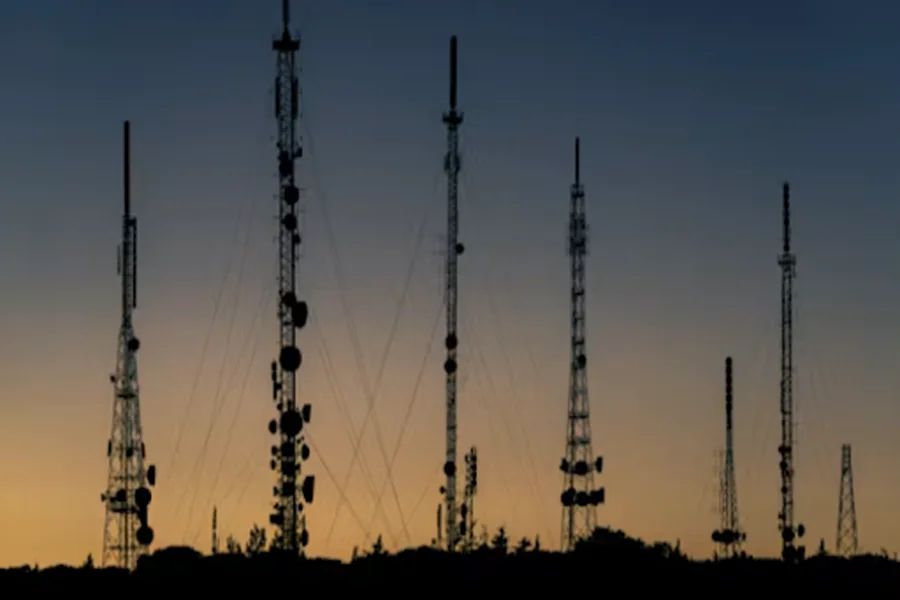
A lack of strong cellular signals can interfere with daily activities. You may experience dropped calls, slow mobile data, or a weak signal inside buildings. These issues are common in large buildings. Buildings, walls, and metal surfaces may block or weaken incoming signals; as a result, customers, employees, and visitors might not be able to stay connected.
A cell phone signal booster can help solve this problem. It picks up signals present in the cellular system, amplifies them, and transmits them into the interior.
But how do we use it, and how can it improve network coverage?
Let’s look at what it is and the key benefits.
1. What Is a Cell Phone Signal Booster?
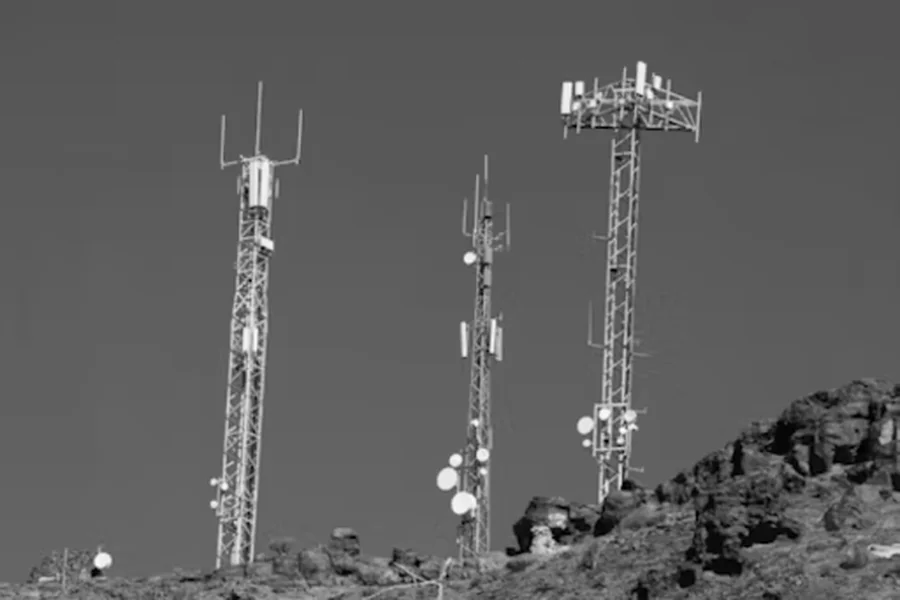
A cell phone signal booster is a device that enhances weak cellular signals. It operates where mobile signals are weak. The system picks up an already existing signal from a nearby cellular tower and then amplifies that signal and transmits it into the building using antennas. This helps mobile devices maintain a stronger connection for both calls and data services.
These systems are especially useful in commercial buildings. Walls, metal roofs, and large indoor areas can dilute incoming signals. This can lead to different receptions in one room or on one floor.
Larger commercial systems may use a Distributed Antenna System (DAS). DAS helps provide wide indoor coverage. It does not employ a single indoor antenna, but multiple antennas are connected to a central system. This helps distribute cellular signals more evenly throughout a building.
Main Components of a Signal Booster
A typical commercial signal enhancement system has three main components:
- Outdoor Donor Antenna: An antenna that picks up the existing cellular signal from nearby mobile towers. It is positioned to pick up the appropriate signal for the system.
- Signal Amplifier: The amplifier enhances the signal received outdoors and then transmits it indoors. Its installation is based on the building’s requirements and the networks it must support.
- Indoor Distribution Antennas: These antennas send the amplified signal across indoor areas. Their quantity and placement depend on the floor plan, building materials, and areas requiring coverage.
These components work together to enhance indoor reception. Larger buildings may need extra equipment to connect several antennas.
A booster does not create a cellular signal. It needs an existing outdoor signal and improves its reach inside the building.
2. How Does It Improve Network Coverage?
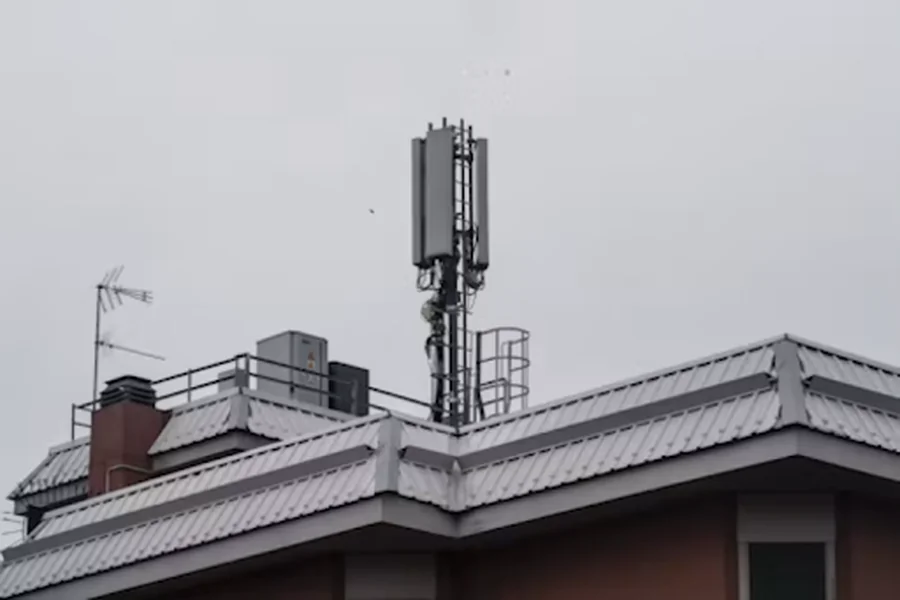
A cellular signal booster amplifies the signal received in weak-signal areas. Its performance, however, depends on the outdoor signal, the system design, and the building conditions.
Here are four ways it can improve connectivity:
-
Reduce Indoor Dead Zones
Big buildings can experience zones with poor or no cell signals. These dead zones may be found in basements, interior rooms, and storage areas. They can also occur in areas with thick building materials.
An efficient system employs indoor antennas to broadcast amplified signals in these locations. This may enhance coverage in areas that were previously poorly covered. As a result, employees and visitors may be able to access cellular services in more parts of the building.
-
Improve Call Quality and Connection Stability
A weak signal may result in dropped calls and interruptions. It can also make it difficult to connect to a mobile network. These problems can impact workplace communication, particularly when workers need to coordinate actions.
A booster enhances the existing signal. This can help mobile devices maintain a more stable connection. It can also improve voice communication and minimize disruptions from poor indoor signals. Call quality, however, still relies on network congestion and carrier performance.
-
Support Mobile Data and Multiple Carriers
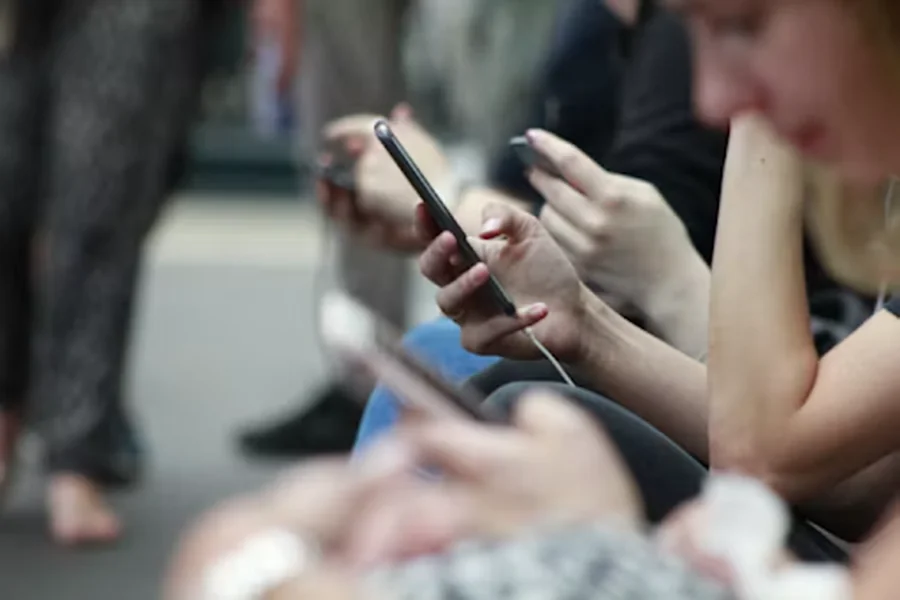
Reliable mobile services help people use apps, send files, and manage daily tasks. These activities may slow down with weak reception.
A properly designed cellular DAS can improve access to available LTE and 5G networks. It can also support various carriers depending on how it is configured. This enables users in other mobile networks to have better indoor coverage. These systems have applicability in offices, warehouses, and other buildings.
However, actual data speeds depend on several factors. These include carrier coverage, bandwidth availability, network congestion, and the number of connected users. The system design must also account for carrier compatibility and frequency needs.
-
Extend Coverage Across Large Facilities
Large facilities often have several floors, department stores, and indoor work areas. Consistent cellular coverage helps people in these spaces make calls, share information, and use mobile services.
Getting reliable coverage across a large building takes more than installing amplification equipment. A site survey can help identify weak areas and measure existing signal strength. It can also guide indoor antenna placement.
The system design should account for the building’s size, construction materials, carrier needs, and expected network use. After installation, signal testing can help confirm coverage. Regular maintenance can also help detect performance problems.
Conclusion
Reliable cellular coverage supports daily communication, especially inside large commercial buildings. A cell phone signal booster helps improve weak reception by capturing existing signals, strengthening them, and sending them through indoor antennas.
These systems can reduce dead zones, improve calls, and support mobile data access across larger spaces. However, results depend on the outdoor signal and the quality of the system design. Assessing the building and testing signal strength are key steps toward better indoor network coverage.