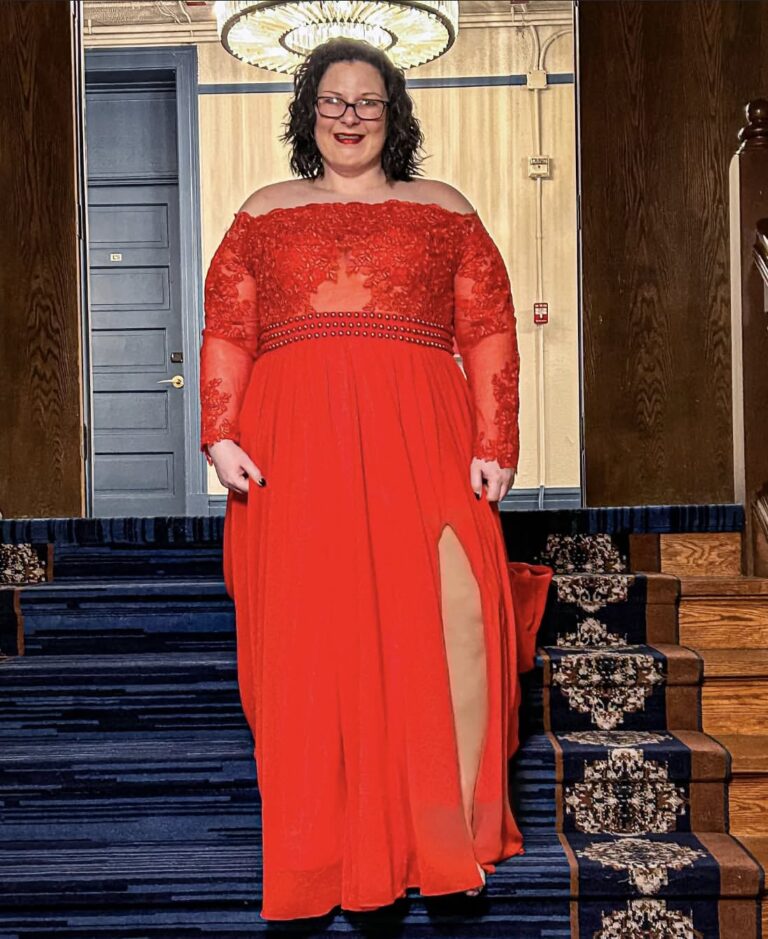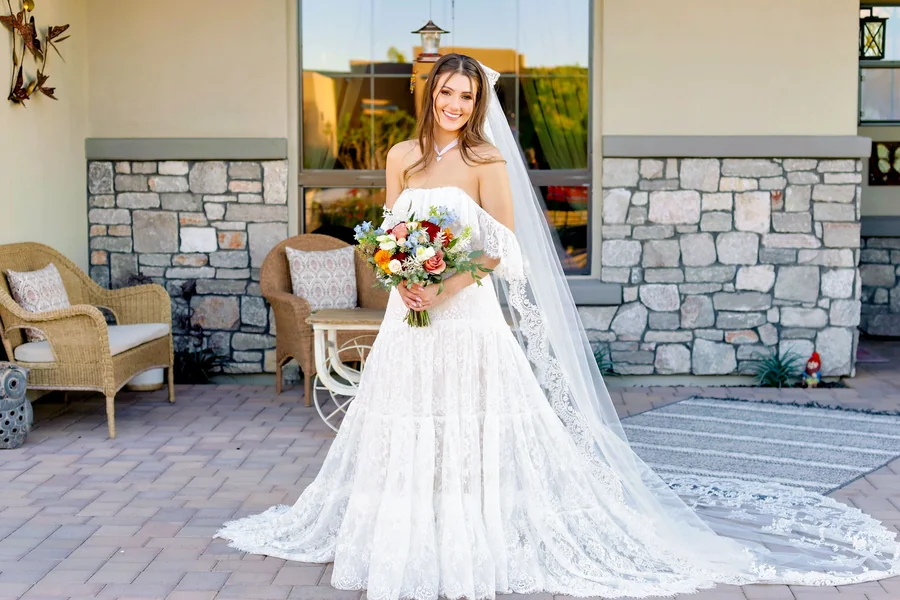
Two newlyweds combine apartments. In the boxes are the wedding dress, gifts from family, framed photographs, and a grandmother’s china. They may be carefully handled, but what would the mover actually owe if one arrived damaged? The answer starts in the valuation section of the contract.
The Default Coverage Is Measured by Weight, Not Value
Released value protection sets carrier liability by an item’s weight, not the price paid or its sentimental importance. For interstate household-goods moves governed by federal rules, the released-value level is $0.60 per pound per article. A three-pound dress would therefore yield up to $1.80 under that limited valuation, even if it cost thousands of dollars. It is a liability formula, not a valuation of the dress.
Moves entirely within Massachusetts are subject to state requirements; do not assume the federal interstate figure applies. Request the written terms for the actual route. Service descriptions for moving Woburn can also show whether basic valuation and special handling are addressed; Better Call Moving describes those options on its local page.
Full Value Protection and What Must Be Declared
For an interstate move, full value protection generally makes the carrier responsible for repairing a damaged item, replacing it with a comparable one, or paying an eligible settlement, subject to contract terms. Ask about deductibles, exclusions, and how claims are valued. A sentimental original cannot always be replaced even if a financial payment is available.
Some high-value articles must be identified in writing. Under federal interstate rules, the declaration threshold is generally more than $100 per pound; details depend on the valuation documents. Jewelry, collectible pieces, artwork, fur, and a valuable dress may warrant a separate list and supporting appraisal. Valuation is a carrier-liability arrangement, not the same thing as a third-party insurance policy. A separate policy may have its own exclusions.
Document Everything Before the Truck Arrives
Prepare a written inventory that identifies each item by description, condition, and distinctive features. Photograph the whole piece and a close-up of delicate details, preferably with a date record. Keep dress receipts, restoration records, appraisals, and photographs of gift sets together in a folder accessible after the move.
For the gown, a suitable garment box can reduce handling; a custom crate may help protect fragile heirlooms. This physical preparation does not replace reviewing liability terms. Ask in advance how to note damage on delivery paperwork, when to file a claim, what supporting evidence is needed, and whether the claim period differs for your type of move.
What Should Travel With You
- The wedding dress if its history or fit makes it irreplaceable.
- Rings, jewelry, keys, and identity documents.
- Original family photographs and personal albums.
- Backup drives containing the only copy of important files.
- Medication and anything required immediately on arrival.
These items belong in a vehicle you control, rather than depending on shipment liability. Even generous valuation terms cannot recreate a missing family original.
Before accepting a moving estimate, ask one precise question: “For this item, what compensation applies under the valuation option I selected, and what do I need to declare?”