
What the Word Hospital Adds to a Rehab Program
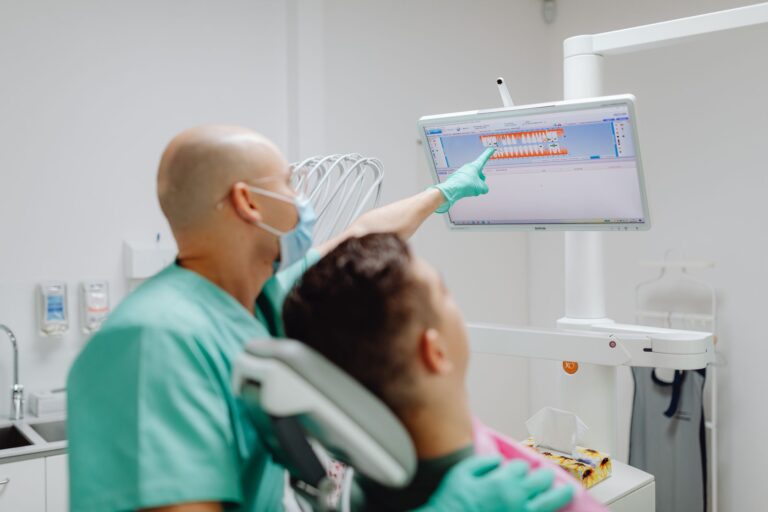
Not every rehabilitation program operates inside a medical facility, and that distinction matters more than most people realise before they actually need to know it. A rehab hospital melbourne based families can access changes what's possible during the hardest early days, specifically because doctors and clinical staff are already on site rather than a phone call away.
Withdrawal Is a Medical Event, Not Just an Uncomfortable One
Alcohol and certain drug withdrawal carry real physical risk in more severe cases, something a purely residential or counselling based program isn't equipped to manage safely on its own. A hospital setting means vital signs get monitored properly. Complications get addressed by someone qualified the moment they appear, not after the fact. That medical layer changes the whole tone of the first few days too, since fear of the physical process is one of the more common reasons people delay getting help at all, and knowing doctors are present specifically for that part tends to lower the barrier considerably.
Accreditation Isn't a Marketing Word Here
An accredited private hospital status means external bodies have actually reviewed the facility against real clinical standards, not just taken the provider's word for it. That's a meaningfully higher bar than a wellness retreat calling itself a rehabilitation centre.
It also has a practical downstream effect. Hospital based detox often becomes claimable through private health insurance in a way a purely residential program typically isn't. A family checking whether a rehab hospital melbourne provider carries that accreditation is really asking one question. Will this actually be covered, or is it coming entirely out of pocket.
Inpatient and Outpatient Solve Different Problems
Someone staying inpatient sleeps on site every night for the length of the program, with a nurse or counsellor within reach at 3am if something goes wrong. Outpatient looks completely different. A parent might attend three sessions a week and still pick their kids up from school every afternoon in between.
Neither is automatically the better choice. A severe case usually needs the structure only inpatient care provides. Someone earlier in the process, with a job and a family still relying on them daily, sometimes does better staying engaged with ordinary life while getting help alongside it.
Programs Like This Often Start From a Personal Place
Some providers exist because someone running them lost a person they loved to addiction, long before it became a business. That's a different starting point to a healthcare company adding addiction services to an existing portfolio because the numbers made sense.
Medical credentials and accreditation still have to come first regardless of a founder's own story. What that history usually changes is smaller and more practical. Family involvement gets built into the program from day one, not offered as an add on once someone asks about it.
Reviews Here Read Differently to Most Industries
Nobody writes "life changing miracle" in these reviews, and that's actually reassuring rather than disappointing. One former client described learning real skills and starting the work, plainly, without dressing it up. A program overselling itself to someone in crisis isn't being kind. It's setting them up to feel like a failure the first time recovery gets hard.
Family members leave reviews too, often describing the moment they realised addiction was something treatable. Not a personal failing. That shift in understanding sometimes matters as much to a family's recovery as the client's own treatment does.
Insurance Coverage Is Worth a Direct Conversation Early
Coverage varies considerably between funds and specific policies, and assuming either way before checking wastes time during a period when time actually matters. A hospital accredited for private health cover gives families a concrete question to ask their provider rather than guessing.
That conversation is best had before admission, not during it, since financial stress on top of everything else rarely helps anyone engage properly with treatment.
Nobody Calls With a Finished Plan, and That's Fine
Most people picking up the phone don't know yet whether they need inpatient care, outpatient support, or just someone to talk through what family involvement could actually look like. A free consultation exists specifically for that uncertainty. Nobody's expected to arrive with the answer already worked out.
Life After Discharge Matters Just as Much
Leaving a hospital based program doesn't end the process, even though weeks of structure suddenly stopping can feel that way. Someone goes from scheduled meals, group sessions and staff checking in daily to an empty kitchen and a quiet phone. That gap is where the real test usually starts. Not during the structured weeks that came before it.
Programs that stay in touch after discharge handle that gap better. Outpatient follow-up or ongoing family sessions make a difference. Treating the hospital stay as the whole job leaves people on their own too soon.
Recovery rarely moves in a straight line. Having somewhere to call when things get hard again matters more than any milestone reached while still under close supervision.