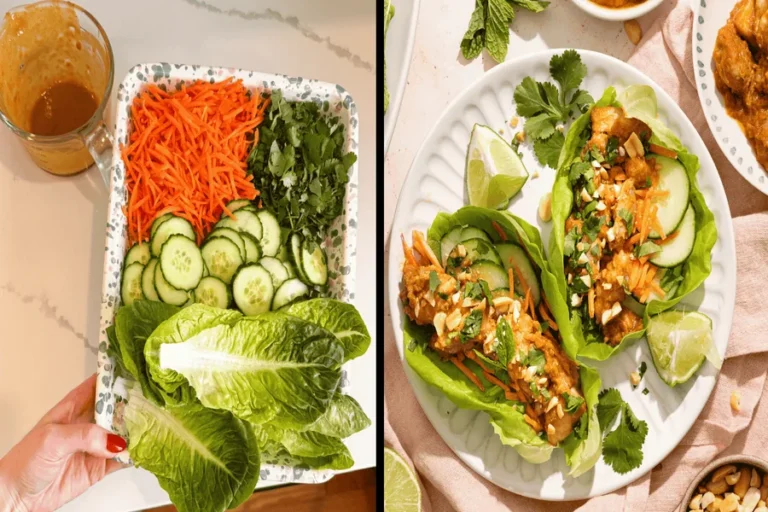
A single dish can leap from a small neighborhood kitchen to menus on the other side of the planet within weeks. What once took years to migrate across regions now moves at the pace of a scrolling feed. The modern food landscape rewards novelty, visual appeal, and shareability, turning ordinary recipes into global phenomena. The reasons behind this speed come down to a mix of taste, technology, and money — and how they feed off one another.
The Digital Engine Behind Culinary Virality
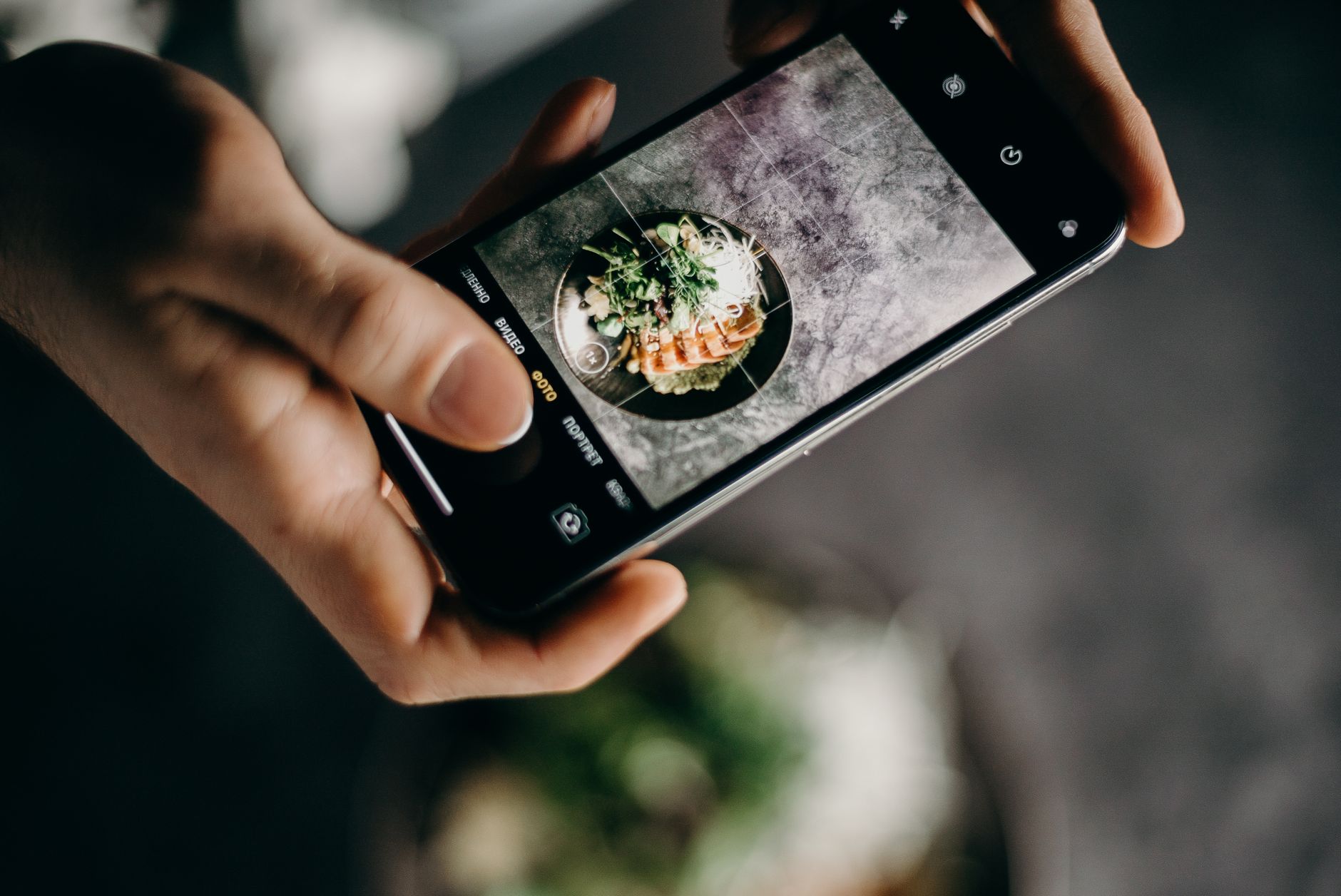
Social media reshaped the way people discover and talk about food. Short videos, close-up photography, and quick tutorials condense an entire culinary experience into a few seconds, making it easy to replicate and even easier to pass along. A visually striking plate carries an advantage that written recipes never had, because the appeal is immediate and requires no translation. Several features of these platforms work together to turn a single dish into a global sensation:
- Visual immediacy: A striking plate communicates its appeal instantly, with no language barrier to slow it down.
- Reaction-driven algorithms: Content that sparks curiosity gets pushed to wider audiences, creating a feedback loop that compounds reach.
- Low barrier to replication: Short tutorials make dishes easy to copy at home, encouraging viewers to try them for themselves.
- Active participation: Viewers recreate dishes, add personal variations, and post the results, feeding the cycle and keeping a trend alive far longer than a one-time mention in print ever could.
This combination explains why certain flavors or presentations appear everywhere at once, seemingly without a single point of origin that anyone can clearly identify.
Cultural Exchange and the Appetite for Novelty
Curiosity about unfamiliar cuisines has grown alongside travel, migration, and wider access to international ingredients. People increasingly treat food as a form of cultural exploration, seeking dishes that feel authentic yet novel. This openness lowers the barrier for a regional specialty to find an audience far from its home.
Interest in novelty mirrors patterns seen in other entertainment sectors, where attention shifts quickly toward whatever feels fresh and engaging. The same instinct that draws someone to a new restaurant can resemble the pull toward other leisure experiences, including the way enthusiasts explore a mr.bet online casino lobby for games they have not tried before. In both cases, the desire for discovery drives repeated engagement, and shared recommendations shape what people decide to sample next.
This hunger for new experiences means that a dish does not need universal appeal to spread. A niche following can be enough to launch it, after which broader audiences encounter it through friends, creators, and cross-cultural communities.
How Trends Move From Local to Global
The journey of a food trend usually follows recognizable stages, even when it feels sudden. Tracing these steps helps clarify why some dishes explode while others fade quietly. The progression often unfolds as follows:
- A dish gains attention within a specific community or region through word of mouth or local media.
- Content creators capture it visually, giving it reach beyond the original audience.
- Early adopters recreate and modify it, generating variety and sustained interest.
- Commercial players, from restaurants to grocery suppliers, respond to rising demand.
Once businesses recognize momentum, they accelerate it further. Chains add limited editions, suppliers stock new ingredients, and marketers craft campaigns around the moment. This commercial response transforms a grassroots curiosity into a mainstream staple, sometimes within a single season.
The Role of Timing and Seasonality
Timing shapes how far a trend travels. Dishes tied to holidays, weather, or cultural events often peak sharply before receding. A cold dessert may dominate warmer months, while comfort foods surge when temperatures drop. Creators and businesses that align with these rhythms capture attention more effectively than those arriving after the moment has passed.
Economic forces that reward rapid spread
Behind every viral dish sits a web of economic incentives. Restaurants benefit from foot traffic, suppliers gain from ingredient demand, and content creators earn from engagement. These overlapping interests encourage everyone involved to promote whatever shows early signs of momentum.
Comparing the motivations of key participants highlights why speed matters so much in the modern food economy. The table below outlines several groups and what each gains from a fast-moving trend.
| Participant | Primary Benefit |
| Restaurants | Increased visits and brand attention |
| Suppliers | Higher demand for specific ingredients |
| Creators | Engagement and audience growth |
| Consumers | Access to novel and shareable experiences |
Because these benefits reinforce one another, the entire system favors acceleration. The faster a trend spreads, the more value it generates for those positioned to capitalize, which in turn fuels even quicker adoption of the next one.
Where the Plate Meets the Feed
Food trends now travel at a speed shaped by visual media, cultural curiosity, and aligned economic interests. The combination of instant discovery and widespread participation means that a single recipe can define global tastes in a remarkably short window. As these forces continue to intertwine, the distance between a local kitchen and a worldwide table keeps shrinking, reshaping how flavor and culture move together.