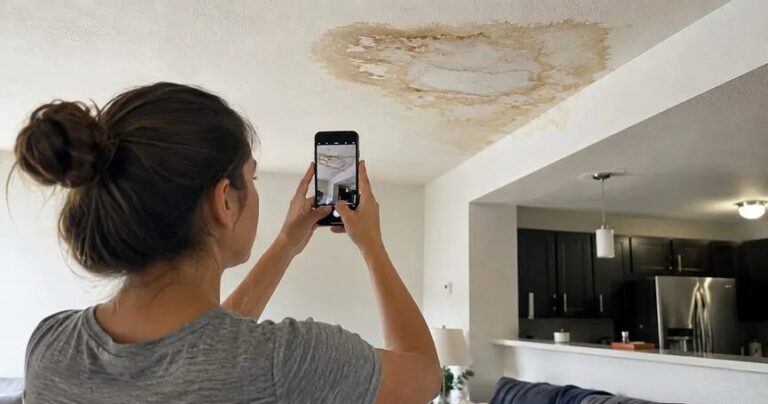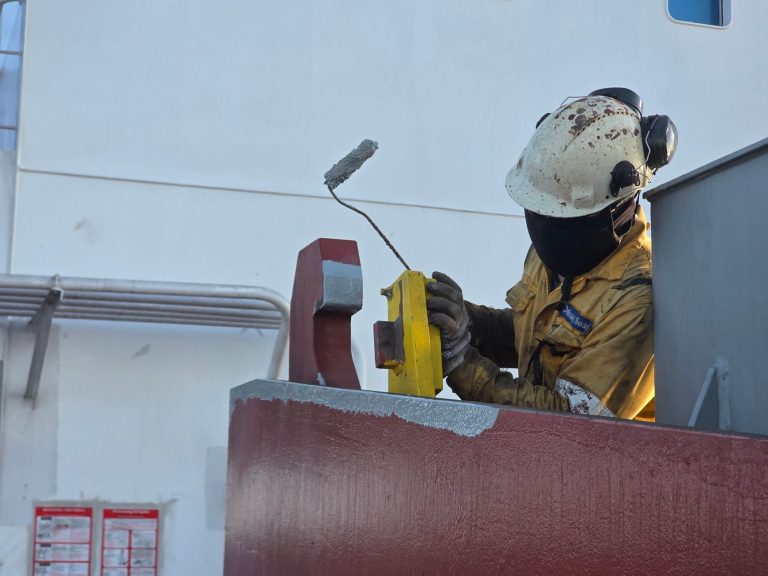
A brown ring appears on the bedroom ceiling, a roofer seals a suspicious gap, and the stain stops growing. For a few weeks, everything seems fine. Then a long night of rain leaves the same patch damp again. Few household problems are more frustrating than a leak that returns after someone has already worked on it.
Recurring leaks are not always the result of careless work. Water moves in unexpected ways, and a roof repair that addresses one opening may leave another source untouched. Wind direction, rain intensity, and even the length of a storm can determine whether a particular weakness lets water inside. Finding the cause takes more than identifying the nearest visible crack.
Homeowners comparing inspections from Ragan Roofing and other providers can benefit from understanding why the same symptom may have several explanations. The aim is not to become a roofing expert. It is to ask better questions, recognize when a temporary measure is being presented as a permanent fix, and avoid paying repeatedly for work that never addresses the entry point.
The Stain Is Not a Map of the Leak
Water rarely follows the shortest visible route from a damaged shingle to a ceiling. Once it passes through the outer covering, it may travel along the underside of decking, follow a rafter, or run beside a pipe before finally dripping onto insulation or drywall. The wet patch inside a room might be several feet away from the opening above.
Consider a ceiling stain near the middle of a hallway. It seems reasonable to examine the section of roofing directly overhead. But water could have entered farther upslope where a vent passes through the roof, then followed a framing member to the hallway. Sealing the shingles above the stain would not interrupt that route.
Why the Weather Changes the Clues
A leak may appear only when wind pushes rain against a wall or chimney. Another may develop during hours of steady rainfall because runoff builds up where two roof sections meet. A short shower may leave both areas dry. Details about the conditions matter: which rooms got wet, whether the wind was strong, and how long the rain lasted before the drip appeared.
A useful first step is keeping a brief record with dates and photographs. Include the location and size of any new staining. This information gives the person investigating a pattern to test rather than a single mark to guess about.
The First Fix May Have Treated Only One Weak Spot
Imagine a pipe boot with cracked rubber around a plumbing vent. Replacing it may resolve one leak, but a nearby nail hole or poorly sealed joint can still allow moisture through. Both defects may have been exposed to the same storm, yet only one was obvious during the initial visit.
This is where roof repair becomes a diagnostic task rather than a patching task. A lasting solution depends on checking the surrounding components and understanding how they direct water. A visible defect deserves attention, but it should not automatically end the search when other evidence points elsewhere.
Some temporary treatments are appropriate. For example, an emergency covering may help limit damage until conditions are safe for permanent work. The problem begins when a short-term seal is mistaken for a complete correction. Homeowners should ask what was repaired, what was inspected, and whether any suspected issues remain unresolved.
Flashing Can Fail Even When the Shingles Look Fine
Where a roof meets a vertical wall, chimney, or skylight, water encounters joints that need carefully arranged protection. Flashing channels water away from these transitions. If sections are missing, incorrectly overlapped, corroded, or disturbed during other work, rain may slip behind the roof covering without any obvious shingle damage.
A chimney is a good example. The joint at its base may look sealed from the ground, but the water-control system involves several pieces. Smearing sealant across the visible joint can temporarily reduce leakage while leaving failed flashing underneath. Movement and weathering may eventually open the gap again.
The same problem can happen near siding. Water that enters higher up a wall may emerge at the ceiling and look like a roofing problem. An investigation may need to examine adjacent cladding, windows, or trim as well as the roof itself. Assuming every ceiling stain starts in the shingles can send the work in the wrong direction.
Old Moisture Can Look Like a New Leak
Sometimes the roof opening has been corrected, but the ceiling still appears damp. Wet insulation can hold water, and saturated building materials may take time to dry. A dark mark can also remain after the source is gone, making it difficult to tell whether additional water is entering.
A second roof repair should not be approved simply because an old mark remains visible. Ragan Roofing or any other provider should be able to explain what new evidence suggests water is still entering.
That does not mean a returning drip should be ignored. Fresh water, growing stains, a musty smell, or moisture readings that remain elevated may indicate an active problem. A contractor or qualified moisture specialist can help separate residual dampness from new intrusion when the evidence is unclear.
If insulation or drywall has been soaked, the affected materials may need evaluation even after the leak stops. Drying and repairing the interior are separate decisions from sealing the exterior opening. Leaving damp materials enclosed can create additional problems.
What a Better Follow-Up Investigation Looks Like
A repeat visit should start with what changed and what did not. Did the first repair stop water during light showers but fail during wind-driven rain? Did the same stain grow, or did a new mark appear nearby? Those differences help narrow down the likely path.
For homeowners speaking with Ragan Roofing or another roofing business, the most useful request is an explanation of the evidence behind the recommended work. A technician might inspect the surface above and around the affected room, examine penetrations and transitions, and look inside the attic where access is safe. Photographs of suspected openings or damaged materials can make the findings easier to understand.
When Testing Helps and When It Does Not
Controlled water testing can sometimes help identify an entry point, but it requires care. Applying water to separate roof areas in a planned order may reveal where leakage begins. Spraying randomly across the roof can produce misleading results, and soaking an already damaged area may increase interior harm. Testing should be planned by someone who understands the roof assembly and conditions.
Opening interior finishes may occasionally be needed to trace moisture, but invasive work should have a clear purpose. Ask what the inspection is intended to confirm before agreeing to it.
Know When the Problem Is Larger Than a Single Opening
Repeated leaks do not automatically mean the entire roof needs replacement. A localized flashing defect or damaged vent component can often be corrected without a major project. But widespread deterioration, multiple failing areas, or a roof assembly with persistent installation defects may call for a broader evaluation.
It helps to ask whether the proposed work corrects a specific, demonstrated failure or simply covers an area where water might be entering. A roofer should be able to describe the difference between the confirmed problem and anything that remains uncertain. That distinction makes it easier to compare estimates without assuming that the biggest or cheapest option must be right.
If water is approaching electrical fixtures, a ceiling is sagging, or there is substantial active leakage, prioritize safety and appropriate emergency assistance. Do not climb onto a wet roof or enter an unsafe attic to investigate.
A Successful Fix Starts With the Right Question
The next time a stain returns, resist the temptation to ask only for more sealant over the same spot. Record the weather, note where water appears, and request an explanation of how the suspected opening connects to the indoor damage. A careful roof repair should address that path, not just the most convenient surface defect.
Ragan Roofing is one option homeowners might evaluate, but the standard should remain the same with any provider: clear findings, a defined scope, and a candid account of uncertainty. A leak stops becoming a recurring expense when the actual route of water is understood and corrected not simply hidden until the next storm.