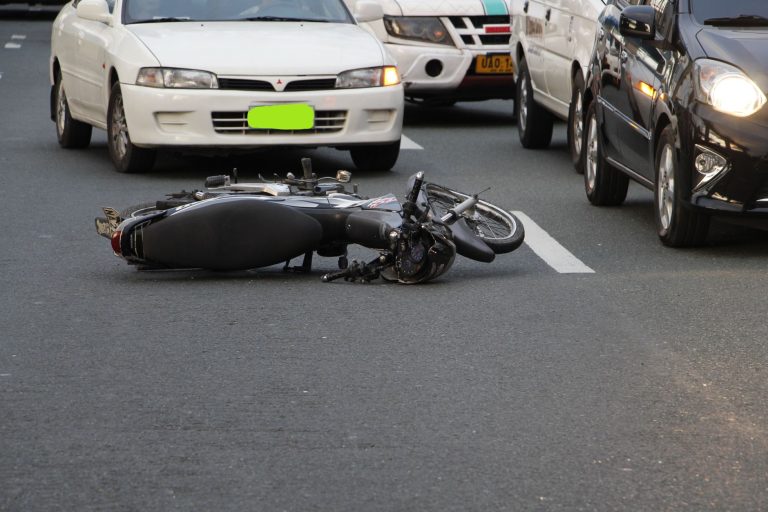
An injury can be clear, yet the reason it happened may not be. A fall, collision, or workplace accident can involve several actions and conditions, making it hard to identify who was responsible. The challenge is connecting the injury to another party’s conduct, not simply showing that someone was hurt. Someone preparing to pursue a personal injury claim may consult with professional firms such as personal injury lawyers at O'Connor, Acciani & Levy or others with similar experience. Disagreements about fault, missing records, and competing explanations can all affect a claim. Here are five situations that can make responsibility harder to establish in claims.
Accidents Involving Multiple Parties
Some accidents involve several people or businesses, and each may have played a different part. A vehicle crash could involve several drivers, while a construction injury may raise questions about a contractor, site owner, and equipment company. Each party may describe events differently or blame someone else.
The difficulty is working out how each person’s actions relate to the injury. Investigators may review photographs, witness accounts, safety records, and accident reports to build a clearer picture.
Cases With Limited or Missing Evidence
Evidence helps show what happened before, during, and after an accident. Without it, important details may depend on memory, and people may give different accounts. A store may have no camera footage, a witness may leave without sharing contact details, or a hazard may be repaired before anyone photographs it.
Delayed reports and missing medical notes can also make it harder to connect an injury with the event. Photos, incident reports, messages, and treatment records may help explain the circumstances.
Accidents Involving Shared Fault
An injured person’s own actions may be part of the events leading to an accident. A pedestrian may cross outside a marked crossing, for example, or a customer may fail to notice a warning sign. The other party may argue that these actions contributed to the injury.
Responsibility may not rest with one person alone. States use different rules for shared fault, including forms of comparative or contributory negligence. The effect of a person’s share of fault depends on the law and the facts.
Injuries With More Than One Possible Cause
Some injuries do not have one clear cause. A person may have a back problem before a vehicle collision, or a worker may develop pain after repeated exposure to unsafe conditions. The other party may argue that the injury came from an earlier condition or another event.
Medical history, doctors’ notes, test results, and treatment records can help show what changed after the accident. They may help explain whether the event caused a new injury or made an existing condition worse.
Accidents on Properties With Unclear Responsibility
An injury on private property may involve more than the owner. A landlord, tenant, building manager, cleaning company, or maintenance contractor may control different areas or tasks. It may be unclear who had to inspect a walkway, fix a broken step, or remove a spill.
The questions often include who controlled the area, who knew about the hazard, and who was expected to address it. Lease terms, maintenance logs, inspection records, photographs, and repair requests may help clarify responsibility.
Records That May Help Clarify Responsibility
Certain steps can help preserve useful information:
- Report the accident and keep a copy of the incident report.
- Photograph the location, hazard, vehicles, and visible injuries, if possible.
- Collect names and contact details of witnesses.
- Keep medical records, bills, receipts, and treatment dates.
- Save related messages, emails, and repair requests.
- Write down what happened while the details are clear.
Why the Details of Liability Matter
Personal injury liability can be difficult to establish when several parties are involved, evidence is missing, or an injury has more than one possible cause. Property control and shared fault can raise further questions. Someone considering a claim may discuss the situation with personal injury lawyers at O'Connor, Acciani & Levy, or a similar law firm to discuss the facts and issues that may affect the case. The type of accident can lead to different results because the people involved, proof, insurance details, and state rules may vary from one claim to another in important ways for injured people.
Frequently Asked Questions
What does personal injury liability mean?
It means legal responsibility for harm caused by another party’s actions or failure to act.
Can more than one party be responsible?
Yes. Several people or businesses may contribute to an accident.
What if there is not enough evidence?
A claim may be harder to prove if key records or witnesses are missing.