A motorcycle crash can change a person's life in seconds. Physical injuries, medical bills, missed work, and uncertainty about the future can make recovery difficult. Knowing the right steps to take can help riders protect their health and legal options. Recovering after a motorcycle accident involves more than treating injuries. It also means keeping useful records, understanding insurance, and knowing when to seek legal guidance. Taking these steps early can make it easier to manage the weeks and months that follow a serious collision.
Put Your Health First After a Motorcycle Crash
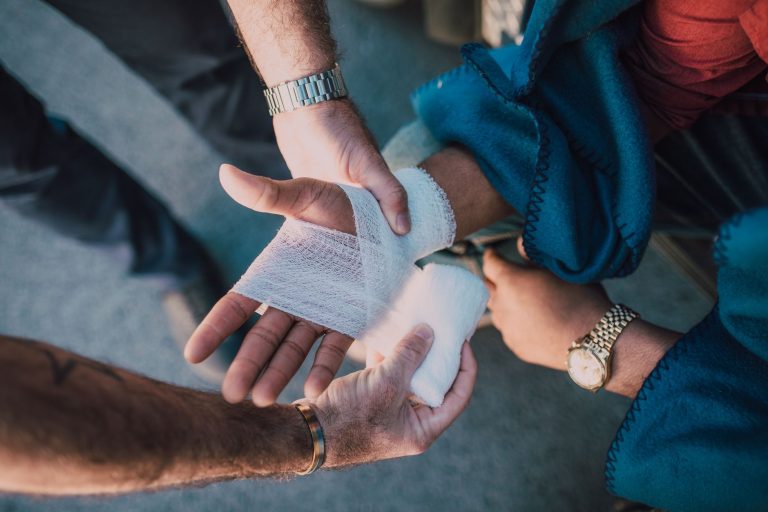
Medical care should be the first priority after a crash. Some injuries are easy to recognize, such as broken bones, cuts, and bleeding. Others, including concussions, internal injuries, and damage to the spine, may not cause clear symptoms right away.
Anyone involved in a serious motorcycle accident should seek prompt medical attention. Follow-up appointments are also important, even when the first examination does not reveal a major problem. Pain, dizziness, headaches, and limited movement may develop or worsen over time.
Following medical advice supports recovery and creates a record of the injuries linked to the crash. Keep copies of examination notes, prescriptions, test results, treatment plans, and medical bills. These documents may become important if an insurance company questions the nature or extent of an injury.
TheNational Highway Traffic Safety Administration's motorcycle safety guidance explains the risks riders face and the value of protective equipment. After a collision, however, even experienced riders who used proper safety gear may need extensive treatment.
Document the Accident and Preserve Evidence
Evidence can help explain how a motorcycle accident happened and who may be responsible. If it is safe to do so, collect information at the scene. A rider who needs emergency care should not delay treatment to gather evidence.
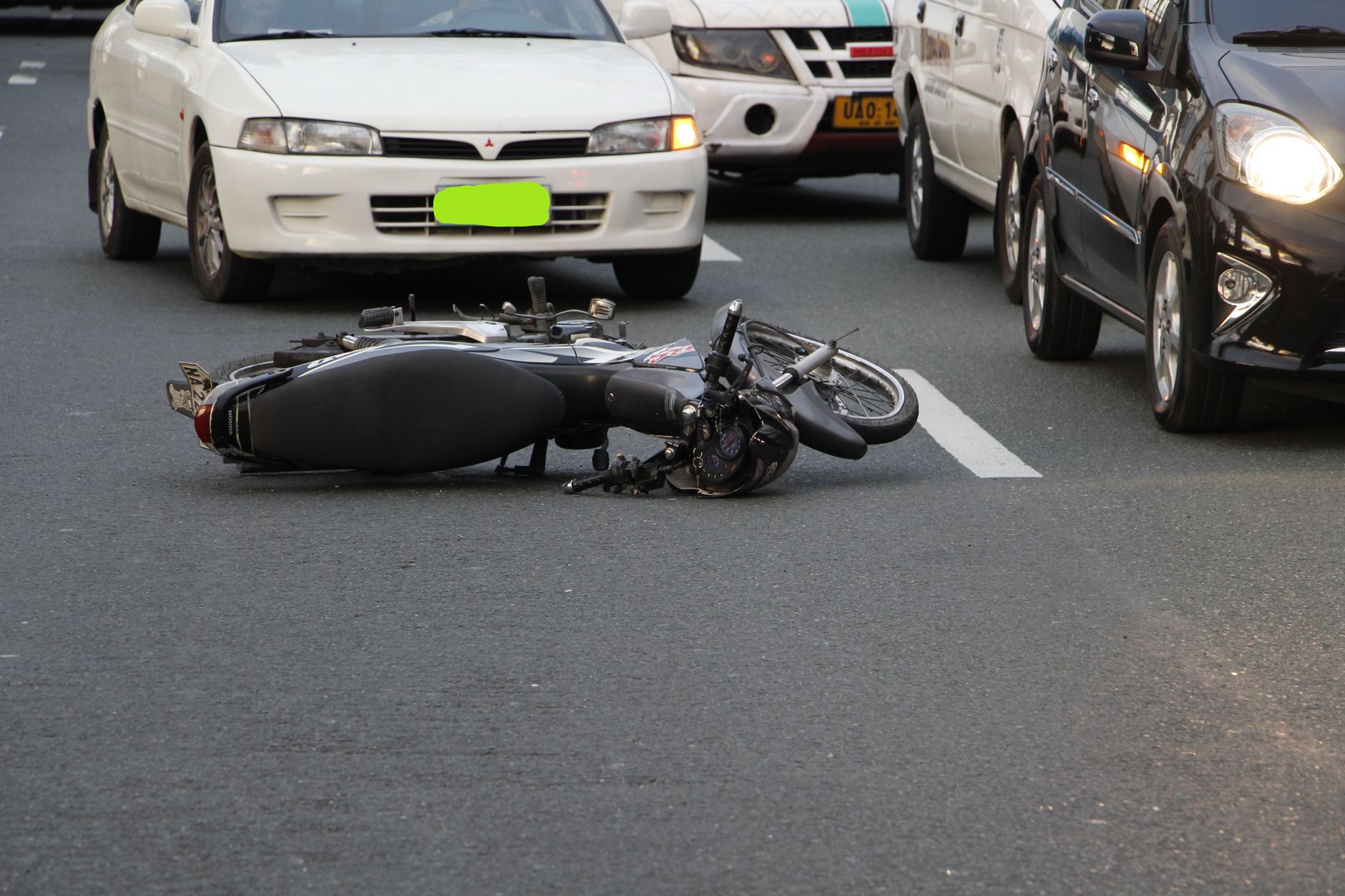
Photographs of the vehicles, road conditions, traffic signals, skid marks, and visible injuries may help establish what happened. Contact information for witnesses can also be useful. If another driver was involved, record the driver's name, insurance details, and vehicle information when possible.
A police report may provide an additional account of the collision. Obtain a copy when it becomes available and check it for errors. If important details appear incorrect, ask about the proper process for submitting corrections or additional information.
Keep damaged riding gear, including a helmet, jacket, gloves, and boots. Do not repair or discard damaged equipment before documenting its condition. Preserve motorcycle repair estimates, towing receipts, and other accident-related expenses as well.
These records can help an injured rider explain the events surrounding the crash. They may also help a lawyer or insurance adjuster evaluate the available evidence.
Understand How Insurance Claims Work
Insurance companies often begin investigating soon after a motorcycle accident. An adjuster may request a recorded statement, medical records, photographs, or other documents. Although cooperation may be necessary, riders should understand what they are being asked to provide.
Be accurate when describing the accident, but avoid guessing about details you cannot remember. Do not minimize injuries simply because symptoms seem manageable during an early conversation. Medical conditions can change, and premature statements may create confusion later.
Before accepting a settlement, consider whether it accounts for current medical bills, expected treatment, lost wages, and other losses. A quick payment may seem helpful when bills are arriving, but accepting it could end the right to seek additional compensation under the settlement terms.
Insurance coverage and claim procedures vary. Review the relevant policy carefully and keep copies of all letters, emails, claim forms, and payment offers. For more complicated claims, legal advice can help clarify the available options.
Know What Compensation May Cover
A motorcycle accident can create financial problems that extend well beyond the initial emergency room visit. The losses depend on the severity of the injuries, the recovery period, and how the crash affects everyday life.
Depending on the facts and applicable law, an injured rider may seek compensation for several types of losses:
- Medical expenses: Emergency treatment, hospital stays, medication, rehabilitation, and future medical care.
- Lost income: Wages missed during recovery and, where supported by evidence, reduced future earning capacity.
- Property damage: Motorcycle repairs, replacement costs, damaged clothing, and other personal belongings.
- Pain and suffering: Physical discomfort, emotional distress, and the effects of an injury on daily activities.
Not every claim includes all these categories. The available compensation depends on the evidence, insurance coverage, liability rules, and other legal requirements.
Keep receipts and records of every expense related to the collision. If injuries prevent a return to work, employment records and information about missed hours can help document the financial impact. Detailed records make it easier to explain the losses rather than relying on memory alone.
Protect Your Rights When Fault Is Disputed
Determining responsibility after a motorcycle crash is not always straightforward. A driver may claim that the rider was speeding, while the rider may report that the driver changed lanes without checking for traffic. Witness statements, photographs, vehicle damage, and other evidence can help clarify these conflicting accounts.
Do not assume that being a motorcyclist automatically makes you responsible for a collision. Equally, do not assume that the other driver is entirely at fault without examining the facts.
In some cases, more than one person may share responsibility. The effect of shared fault depends on the law that applies to the claim. This can influence whether compensation is available and how much an injured person may recover.
Avoid arguing with other drivers or posting detailed accounts of the accident on social media. Public statements and photographs may be reviewed during a claim. Keep communications factual and preserve relevant information rather than speculating about responsibility.
Follow Your Recovery Plan and Track Your Progress
Recovering after a motorcycle accident can take weeks, months, or longer. Progress may not be steady. A rider might regain mobility but continue to experience pain, sleep problems, or difficulty concentrating.
Follow the treatment plan provided by healthcare professionals and discuss new symptoms promptly. Do not return to riding, work, or demanding physical activities before it is medically appropriate. Rushing recovery can increase the risk of further injury.
A simple recovery journal can help track symptoms, appointments, medication effects, missed work, and changes in daily activities. Note tasks that have become difficult, such as driving, carrying groceries, sleeping comfortably, or caring for family members.
These details can help medical professionals assess progress. They may also provide useful evidence when an insurance company evaluates how the injuries affect everyday life.
When Should You Speak With a Motorcycle Accident Lawyer?
Legal guidance may be helpful when injuries are serious, fault is disputed, an insurer denies a claim, or a settlement offer does not appear to cover the losses. A lawyer can review the available evidence, explain relevant legal rules, communicate with insurers, and identify possible sources of compensation.
Before choosing legal representation, ask about experience with motorcycle accident claims, fees, communication, and the steps involved in pursuing a case. Understand the terms of any agreement before signing it.
Time limits also matter. The deadline for filing a personal injury lawsuit depends on the applicable law and circumstances. Waiting too long can put a claim at risk, while important evidence may become harder to obtain as time passes. Seeking advice early can help preserve available options.
Moving Forward After a Motorcycle Accident
Recovering after a motorcycle accident requires patience, medical care, careful documentation, and informed decisions. Although no process can undo the collision, taking practical steps can reduce uncertainty and help protect an injured rider's interests.
Focus on treatment, keep organized records, communicate carefully with insurers, and learn which legal options may apply. When questions arise about fault, compensation, or filing deadlines, qualified legal guidance can help you make decisions based on the facts.
With the right support and a clear understanding of the process, injured riders can concentrate on healing while taking sensible steps toward financial and personal recovery.