There’s a universal law of automotive inconvenience — car batteries never die at home on a quiet Sunday afternoon. They die in parking lots when you’re already running late, on cold Monday mornings when you absolutely cannot be delayed, or in the middle of nowhere with questionable cell service. The frustrating part is that a failing battery almost always gives plenty of warning signs before it gives up entirely. Most people just don’t know what to look for.
Let’s change that.
How Long Does a Car Battery Actually Last?
Before diving into warning signs, it helps to know what you’re working with. The average car battery lasts between three and five years depending on climate, driving habits, and the quality of the battery itself. Extreme heat actually degrades batteries faster than cold weather — though cold is what makes a weak battery finally show its true colors.
If your battery is approaching or past the three-year mark, paying attention to the signs below becomes genuinely important.
1. Slow or Sluggish Engine Cranking
The Most Telling Sign of a Weakening Battery
When you turn the key or press the start button, your engine should fire up quickly and confidently. If you notice it turning over slowly — that labored, dragging sound like the engine is struggling to find motivation — that’s your battery communicating that it’s losing the ability to deliver adequate power to the starter motor.
This symptom is especially pronounced on cold mornings when battery performance naturally dips. If your car cranks slowly even on mild days, the battery is likely on its way out.
2. The Battery Warning Light Is On
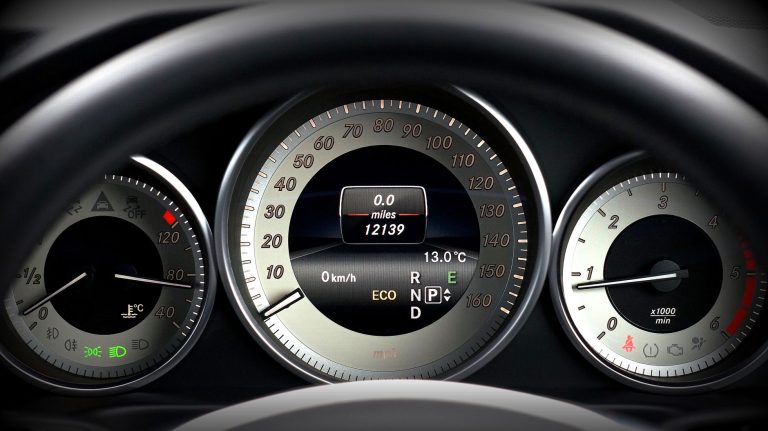
Your dashboard battery light — that small rectangular battery symbol — is specifically designed to alert you to charging system issues. When it stays illuminated while driving, it means the battery isn’t being charged properly by the alternator or that the battery itself has a fault.
Don’t make the common mistake of assuming the battery light only means the alternator is bad. Both components work together in your charging system, and either one can trigger that light. A proper diagnostic test identifies which one is responsible.
3. Electrical Components Acting Strangely
Your car’s battery powers every electrical system in the vehicle. When it starts weakening, those systems often begin behaving oddly before anything else becomes obvious.
Watch for these specific symptoms:
- Dimming headlights — particularly noticeable at idle or during slow city driving
- Interior lights that seem less bright than usual
- Power windows moving slower than normal
- The radio resetting or losing saved stations unexpectedly
- Dashboard lights flickering when you start the car or during idling
Any combination of these electrical oddities alongside other symptoms on this list points strongly toward a battery that’s losing capacity.
4. Frequent Jump Starts Needed
One Jump Start Is a Warning — Multiple Is a Verdict
Needing a jump start occasionally happens to everyone. A light left on overnight, an extremely cold night, a door left slightly ajar — these things happen. But if you find yourself needing jump starts repeatedly across a short period of time, the battery is telling you something clear and direct.
A battery that can’t hold a charge between normal driving sessions needs replacement. No amount of jump starting will fix an internally failing battery — it only delays the inevitable while increasing the inconvenience.
5. The Battery Case Looks Swollen or Misshapen
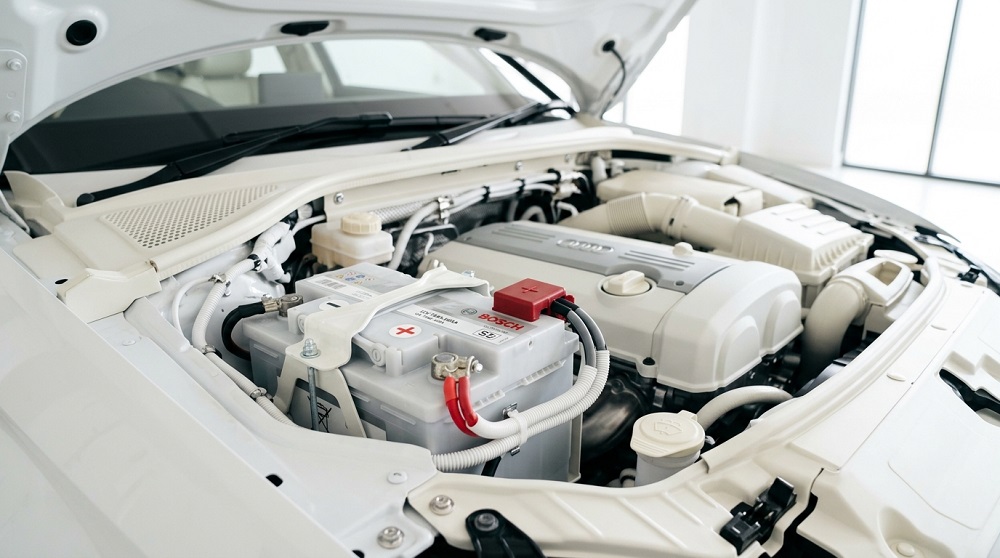
Take a look at your battery when the hood is up. A healthy battery has a clean, rectangular shape with flat sides. A battery that has been exposed to excessive heat or has experienced internal damage can physically swell — the sides bow outward and the case looks bloated or misshapen.
A swollen battery is not just a sign of failure — it’s a safety concern. Swollen batteries can leak corrosive acid and in extreme cases pose a risk of rupture. Replace it promptly if you notice any physical deformity.
6. Visible Corrosion Around the Terminals
White, blue, or greenish powdery buildup around your battery terminals is a sign of corrosion — and while minor corrosion is relatively normal, heavy buildup interferes with the electrical connection between battery and vehicle.
Corrosion can cause starting problems, electrical issues, and accelerated battery deterioration even when the battery itself still has capacity. Light corrosion can be cleaned with a mixture of baking soda and water and a wire brush. Heavy corrosion alongside other warning signs usually indicates a battery that needs replacing.
7. The Battery Doesn’t Hold a Charge After Driving
A functioning alternator charges your battery while you drive. If you notice that your battery drains even after extended driving — particularly if electrical components start dimming during a drive rather than recovering — it suggests the battery has lost the capacity to accept and retain a charge properly.
This is sometimes called a “dead cell” failure inside the battery — where internal damage prevents the battery from storing energy effectively regardless of how much charge is put into it.
8. Strong Sulfur or Rotten Egg Smell
A failing or damaged battery can emit hydrogen sulfide gas — producing a distinctive rotten egg or sulfur smell around the engine bay. This happens when battery acid leaks or the battery overheats internally.
This smell should never be ignored. It indicates a battery that is not just failing but actively deteriorating in a potentially hazardous way. Have it inspected and replaced immediately.
9. Your Car Is Old and the Battery Has Never Been Replaced
This one sounds obvious — but you’d be surprised how many people simply don’t know how old their battery is or whether it has ever been replaced since the car was manufactured. If you’ve owned a vehicle for several years or bought it used without clear service history, checking the battery’s condition and age is genuinely worthwhile preventive maintenance.
Most batteries have a date code stamped on the casing. If yours is approaching or beyond four years old and showing any of the symptoms above, proactive replacement is significantly cheaper and less stressful than an unexpected failure.
How to Test Your Battery
You Don’t Have to Guess
Many auto parts stores offer free battery testing — a quick diagnostic check that measures your battery’s current charge level and overall health. The test takes about five minutes and gives you clear, objective information about whether your battery has life remaining or needs immediate replacement.
Investing in a basic home battery tester is also worthwhile for anyone who wants to monitor battery health regularly between professional visits.
What to Do When You Suspect Battery Problems
- Don’t ignore the symptoms — Battery problems rarely resolve themselves and always worsen with time
- Get a professional test — Symptoms alone don’t always distinguish between a failing battery and alternator issues
- Consider age alongside symptoms — A three-plus-year-old battery showing even mild symptoms deserves serious attention
- Replace proactively if in doubt — The cost of a new battery is significantly less than a tow truck, a missed appointment, or a roadside emergency
Final Thoughts
Your car battery is one of those components that works silently and reliably until suddenly it doesn’t. The warning signs are almost always there in advance — slow cranking, electrical quirks, visible wear, repeated jump starts. The difference between a minor inconvenience and a genuine emergency is simply knowing what to look for and taking action before the battery makes the decision for you.
Pay attention to what your car is telling you. Replace the battery on your terms — not on its.
Know the signs. Act early. Drive without worry.