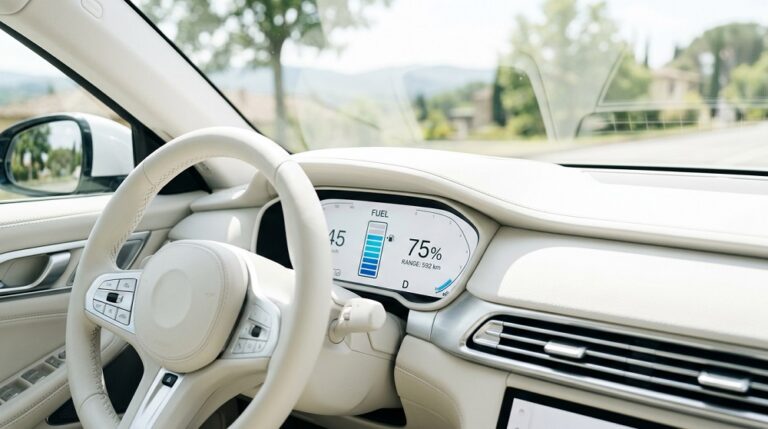
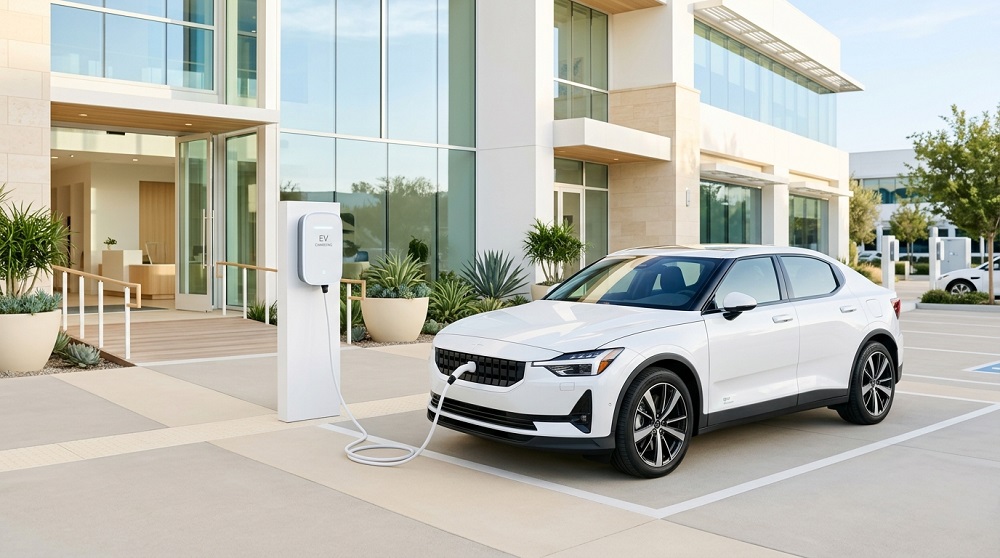
Walk into any conversation about cars right now and it won’t be long before someone brings up electric vehicles. The automotive world is genuinely in the middle of a historic transition — one that’s moving faster than most people expected just a decade ago. But for the average person standing in a dealership or browsing listings online, the question isn’t about industry trends or environmental policy. It’s simpler and more personal than that.
Which one actually makes more sense for my life?
Let’s break it down honestly.
Understanding What You’re Actually Choosing Between
Before comparing the two, it helps to be clear about what each option actually involves.
Gas cars run on internal combustion engines powered by petrol or diesel. They’ve been the dominant form of personal transportation for over a century — the infrastructure, the service industry, and the cultural familiarity around them are deeply established.
Electric vehicles — commonly called EVs — run entirely on electric motors powered by rechargeable battery packs. They produce zero direct tailpipe emissions and are fundamentally different in how they’re fueled, maintained, and experienced as a driver.
Both have genuine strengths. Neither is perfect for everyone.
The Case for Electric Vehicles
Lower Running Costs Over Time
This is where EVs make their most compelling financial argument. Electricity is significantly cheaper than gasoline on a per-mile basis in most regions. Charging at home overnight — essentially like charging a large phone — costs a fraction of what filling a tank costs for equivalent mileage.
Add to that the dramatically reduced maintenance requirements — no oil changes, no transmission servicing, fewer brake replacements thanks to regenerative braking — and the total cost of ownership over several years often favors EVs even when the upfront purchase price is higher.
The Driving Experience
This one surprises people who haven’t driven an EV. Electric motors deliver instant torque — the full force of acceleration available immediately from a standstill. The result is a driving experience that feels smooth, responsive, and genuinely exciting even in everyday city driving.
Combined with the whisper-quiet cabin and the absence of gear changes, many people who switch to electric driving find it difficult to go back.
Environmental Benefits
EVs produce zero direct emissions during driving. On a grid increasingly powered by renewable energy, the overall carbon footprint of an electric vehicle over its lifetime is significantly lower than a comparable gas car — and that gap continues widening as electricity grids get cleaner.
For environmentally conscious drivers, this is a meaningful factor that goes beyond simple economics.
Convenience of Home Charging
For drivers with home charging capability, EVs offer something gas cars fundamentally cannot — the ability to start every single morning with a full charge without ever visiting a fuel station. If your daily driving falls within your vehicle’s range, you may rarely think about charging at all.
The Case for Gas Cars
Upfront Affordability
Despite the narrowing gap, electric vehicles still carry a higher average purchase price than comparable gas-powered alternatives. For buyers working within tight budgets or financing constraints, this difference remains a real and practical barrier.
The used gas car market is also significantly deeper — offering more options at more price points than the still-developing used EV market.
Range and Refueling Freedom
This is where gas cars still hold a clear practical advantage for many drivers. A full tank of gas provides substantial range — often 400 to 500 miles — and refueling takes three to five minutes at any one of hundreds of thousands of stations virtually everywhere you might travel.
Long road trips in gas cars require minimal planning. Long road trips in EVs — while entirely doable — require more thought around charging stop timing, availability, and duration. For frequent long-distance drivers, this reality matters.
Charging Infrastructure Gaps
Home charging is convenient for EV owners with that option — but not everyone has it. Apartment dwellers, renters without dedicated parking, and residents in areas with limited public charging infrastructure face genuine challenges that gas car owners simply don’t encounter.
Charging networks are expanding rapidly — but coverage remains uneven depending on where you live and travel.
Established Familiarity and Service Networks
Gas car mechanics, parts availability, and service infrastructure exist essentially everywhere. For drivers in rural or remote areas, the established service network for conventional vehicles provides a practical reassurance that the EV ecosystem hasn’t yet fully replicated everywhere.
Head-to-Head Comparison
Upfront Cost
Winner: Gas Cars — Lower purchase prices and deeper used market options.
Running and Maintenance Costs
Winner: Electric Vehicles — Cheaper to fuel and significantly cheaper to maintain over time.
Driving Experience
Winner: Electric Vehicles — Instant torque, smooth acceleration, and quiet cabin.
Long-Distance Convenience
Winner: Gas Cars — Faster refueling and denser fueling infrastructure still favor conventional vehicles for road trips.
Environmental Impact
Winner: Electric Vehicles — Zero direct emissions and improving lifecycle footprint.
Everyday Convenience
Winner: Electric Vehicles — For home charging owners, starting every day fully charged is a genuine quality-of-life improvement.
Reliability of Service Network
Winner: Gas Cars — Established mechanics and parts availability remain more consistent across all locations.
Questions to Ask Yourself Before Deciding
How Far Do You Drive Daily?
If your typical daily mileage falls comfortably within an EV’s range — and most modern EVs offer 200 to 300 miles per charge — range anxiety becomes largely irrelevant for everyday driving. If you regularly drive long distances without predictable charging opportunities, gas cars remain the more practical choice.
Do You Have Access to Home Charging?
This single question carries enormous weight in the EV decision. Drivers with home charging access experience EVs at their most convenient and cost-effective. Drivers who rely entirely on public charging face a fundamentally different experience — one that currently involves more planning and occasional inconvenience.
What Does Your Budget Look Like?
Calculate total cost of ownership — not just sticker price. Factor in fuel savings, reduced maintenance costs, available government incentives and tax credits in your region, and insurance differences. For many buyers who can manage the upfront cost, EVs represent better long-term financial value.
What Is Your Local Charging Infrastructure Like?
Research public charging availability along your regular routes and in your neighborhood. Infrastructure quality varies enormously by location — and it should realistically influence your decision.
How Long Do You Plan to Keep the Vehicle?
The longer you keep an EV, the more the running cost savings accumulate and offset the higher purchase price. Short-term ownership makes the financial case for EVs weaker. Long-term ownership makes it significantly stronger.
Who Should Lean Toward Electric Vehicles
- Drivers with consistent daily commutes within comfortable EV range
- Homeowners or renters with dedicated parking and charging access
- People prioritizing lower long-term running costs
- Environmentally conscious buyers
- Urban and suburban drivers with good local charging infrastructure
- Anyone who test drives one and finds themselves genuinely excited by the experience
Who Should Lean Toward Gas Cars
- Frequent long-distance drivers who value quick refueling flexibility
- Buyers with limited upfront budget where lower sticker prices matter significantly
- Drivers in rural or remote areas with limited charging infrastructure
- Renters or apartment dwellers without home charging access
- People in regions where EVs are not yet well-supported by service networks
The Hybrid Middle Ground
Worth mentioning — hybrid vehicles sit between these two worlds in a way that genuinely suits many drivers. Plug-in hybrids offer electric-only range for daily commuting while retaining a conventional engine for longer trips. For drivers not quite ready to commit fully to electric but wanting reduced fuel costs and emissions, a hybrid is a practical and increasingly popular compromise.
Final Thoughts
The electric versus gas debate isn’t really a debate at all — it’s a personal decision shaped entirely by your specific life, habits, budget, and geography. Neither option is objectively superior for everyone. Both are genuinely good choices for the right person in the right circumstances.
Do the honest math for your situation. Think realistically about how you actually drive. Test drive both if you can — because sometimes the experience of getting behind the wheel answers questions that no comparison chart ever quite can.
The best car is always the one that fits your life most naturally.
Choose wisely. Drive confidently. Enjoy every mile.