
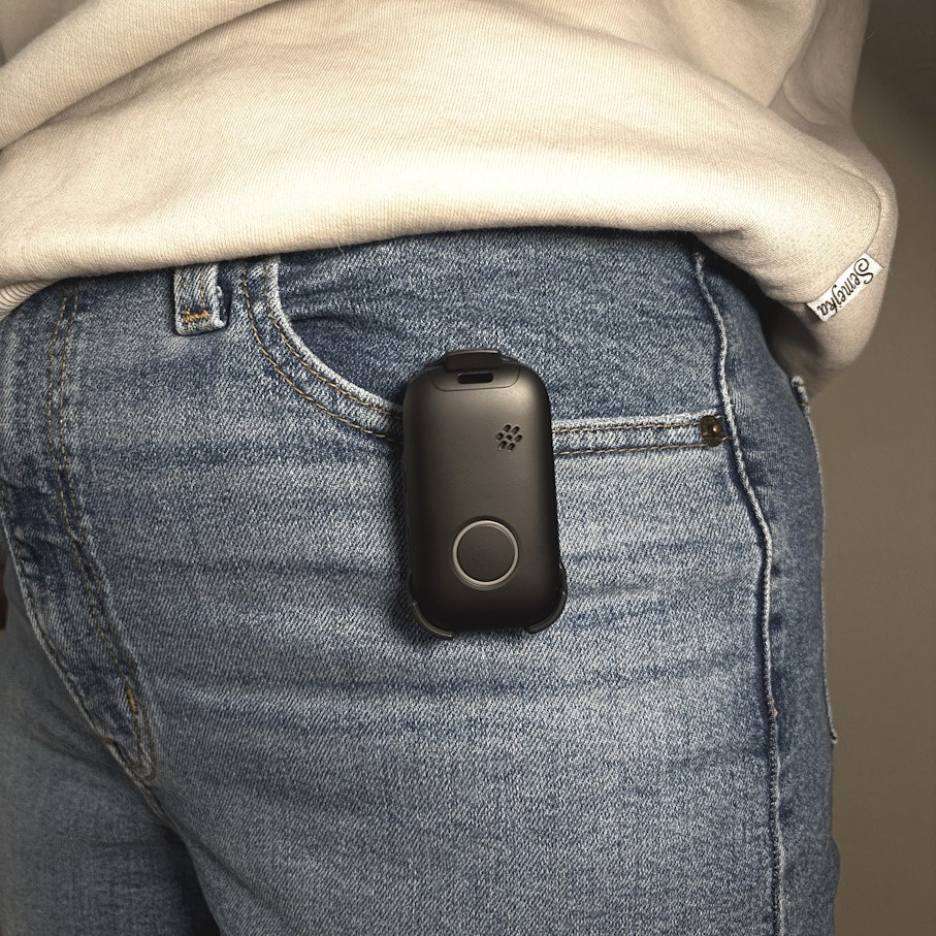
When a parent or loved one is growing older, it frequently involves taking safety into consideration while remaining within a realistic household budget. Many families are looking for reliable emergency coverage – but they are also concerned with the cost of things they will never use and services that do not benefit them much.
Medical alert systems that are too expensive can lead to extra costs, and selecting the least costly option without considering the safety features may leave a gap in safety. Knowing how to make a sound decision requires understanding what factors affect pricing, what features are essential, and how to recognize trustworthy providers.
Instead of just looking at the cost, you can also look at value and ensure that you are doing your loved one a favor without overspending. Let’s dive into assessing medical alert expenses, ensuring safety and reliability remain paramount.
1. Compare Total Costs rather than the Monthly Price

The monthly fee is just one component of the cost. Before choosing a provider, look at the complete pricing structure. While considering life alert cost for Canadians, don’t just look at the monthly rate that is advertised.
See if the provider has any activation fees, equipment fees, shipping costs, cancellation fees, or long-term contracts. Canadian providers may also provide optional features that will impact the cost, like fall detection or mobile coverage.
By having transparent pricing, you’ll know exactly how much you’re going to be spending before you make a choice. You can make a simple list of comparisons to determine which one will be the greatest value over the long haul.
2. Focus On Those Features That Enhance Everyday Safety
All features are not of equal importance. First, consider what your loved one does every day and what their health care needs are. If the person is at home for the majority of the day, then having a home-based system that is two-way and has a reliable emergency button might be sufficient.
If they are out on the go or shopping on their own regularly, they may want to look for a mobile device that has GPS location services.
Some other handy features include:
- Fall detection can be automatic
- Water-resistant wearable pendants
- Backup battery protection
- Clear 2-way voice communication using earphones
- Nationwide monitoring coverage
If you need certain features, then it’s worthwhile paying a little extra for them rather than opting for the lowest-priced package.
3. Assess Reliability Before Seeking Discounts

If the system isn’t working well in an emergency, the value of a lower price is lost. Choose those that provide 24-hour monitoring by professionals with trained operators. A reliable communication technology, reliable equipment, and rapid response in emergencies are crucial.
Some systems don’t need Wi-Fi or a personal smartphone, making them simpler to use for many older people. It’s also advisable to check out other customers’ experiences. The feedback on responsive support and reliable service could give them further confidence in addition to official product information.
It is hard to judge reliability until after a disaster occurs, so it is best to check so you know how reliable they are.
4. Know what Services are Suitable to Different Lifestyles
No one medical alert system is best for everyone.
Form questions that are practical, e.g.:
- Is the person mostly a stay-at-home dad or mother?
- Do they have a car, and do they travel or commute regularly?
- Have a history of falls?
- Will family members wish to have caregiver notifications?
- Are they isolated for long periods of time?
A device that is used at home can be a great choice for a person who doesn’t go out often. For active seniors who spend time outdoors, a mobile system with GPS tracking might be a good investment.
If you select a system that fits with your daily routine, you will be able to get the proper protection without paying for those you don’t need.
5. Look For Flexible Contracts And Transparent Policies
Contract terms can significantly affect the overall value of a medical alert service. Some providers offer month-to-month plans without long-term commitments. Others include no activation fees or hidden charges, making costs easier to predict over time. Flexible cancellation policies also reduce financial risk if needs change.
Before signing up, read the service agreement carefully. Make sure you understand:
- Billing frequency
- Equipment return requirements
- Upgrade options
- Cancellation process
- Warranty coverage
Simple policies often reflect a provider that values clear communication with customers.
6. Balance Cost With Long-Term Peace Of Mind
The cheapest option is not always the most economical over several years. A dependable medical alert system can help older adults maintain greater independence while providing reassurance for family members.
Quick access to emergency assistance may also reduce complications following a fall by connecting users with help sooner. Think about the overall value rather than focusing only on monthly payments.
Reliable monitoring, easy-to-use equipment, professional support, and suitable features often justify a moderate price difference. When you evaluate both financial and practical benefits together, it becomes much easier to identify the best overall choice.
Final Thoughts
Choosing a medical alert system involves much more than comparing monthly prices. Looking at total costs, safety features, monitoring quality, contract flexibility, and everyday usability helps you make a smarter decision for your family.
A well-matched system should fit your loved one’s lifestyle while providing dependable emergency support without unnecessary expenses. Take time to compare options carefully, ask detailed questions, and focus on long-term value. A thoughtful evaluation today can help protect your loved one while giving your family greater peace of mind.