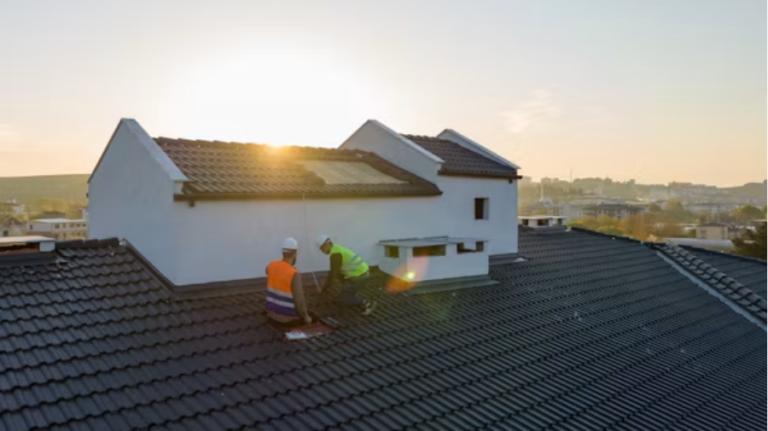
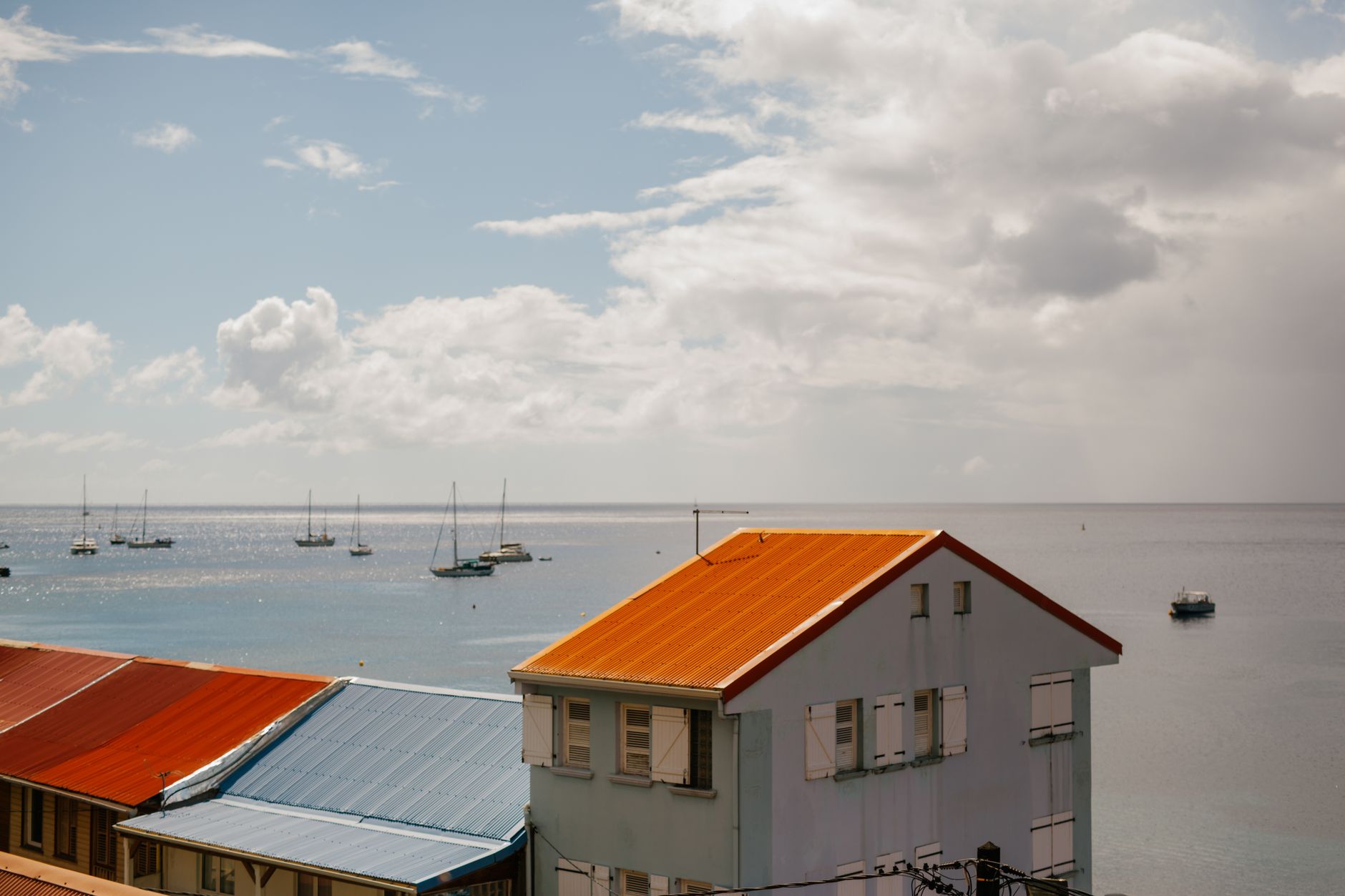
Living near the coast offers stunning views—and some of the toughest conditions a roof will ever face. Salt-laden air, high humidity, intense sun, heavy rain, and tropical storms put constant stress on shingles, fasteners, sealants, and flashing. If you own a home in a coastal area like Florida's Space Coast, getting the right roof and the right installer is more than a home improvement decision; it's a resilience strategy. This article explains how coastal weather affects roofing, compares common materials, and outlines a clear process for vetting contractors and reviewing estimates so you can make a durable, code-compliant choice with fewer surprises during and after the project.
What Coastal Weather Demands From a Roof
Coastal roofs must resist corrosion from salt spray, withstand uplift forces from strong winds, and shed heavy rainfall without backing up at valleys or penetrations. Sun exposure accelerates aging, drying out some materials and degrading others. During tropical systems, wind-driven rain seeks the smallest gaps, which is why sealed underlayments, correctly installed flashing, and proper fastener patterns matter as much as the shingle or panel you see from the street. Good attic ventilation also helps prevent heat and moisture buildup that can shorten a roof's lifespan from the inside out.
Because local codes often tighten after major storms, make sure your project aligns with current standards—especially for underlayment types, nails and screws, and edge-metal details. A practical place to start gathering context is a regional resource that focuses on local providers; a helpful directory on this website can complement your own research into licensing, insurance, and storm-tested workmanship.
Roofing Materials That Perform in Coastal Climates
Architectural asphalt shingles remain common thanks to their balance of cost, curb appeal, and improved wind ratings compared with older 3-tab designs. For coastal use, look for shingles with high wind warranties when installed with specified starter strips, cap shingles, and enhanced nailing patterns. Metal roofing—often aluminum or coated steel—offers excellent wind resistance and sheds rain quickly. Aluminum resists corrosion well in salty air, though painted and properly fastened steel can also perform if coastal-rated. Tile (concrete or clay) handles heat and UV exposure well, but it's heavier and depends on correct fastening, foam or clips, and underlayment details to stay put during storms.
Under the surface, details make the difference. Self-adhered (peel-and-stick) underlayments provide an added water barrier at critical areas like eaves, valleys, and around chimneys or skylights. Stainless or hot-dipped galvanized fasteners hold up better against corrosion than electro-galvanized nails. Drip edge, sealed ridge vents designed for high-wind regions, and corrosion-resistant flashing at roof-to-wall transitions are all small components that add up to big improvements in storm performance.
How to Vet a Coastal Roofing Contractor
Start with verification. Confirm a current state license where required and check for active general liability and workers' compensation coverage. Ask for documentation and call the insurer to confirm policies are valid during your projected installation dates. Then review local experience: how recently has the crew installed roofs in your immediate area, under your jurisdiction's codes, and on homes similar in style and pitch to yours? Local references—ideally spanning a few years—help you see performance over time, not just fresh curb appeal.
Watch for red flags. High-pressure sales after a storm, demands for large cash payments before material delivery, and vague, one-page proposals suggest risk. A reputable contractor explains code-driven requirements, specifies materials by brand and product line, and is transparent about change orders if hidden damage appears once the old roof is removed. Good teams also have a plan for site protection: tarps for landscaping, magnet sweeps for nails, and daily cleanup.
Reading Roof Estimates Like a Pro
Comprehensive proposals should list the full system: tear-off and haul-away of old roofing; deck inspection and per-sheet replacement pricing; underlayment type and coverage; starter, field, and ridge shingles or panel profile; fastener specs and nail patterns; flashing metals and locations; ventilation components; sealants; and edge details. You should also see the permit process, inspection timing, and estimated start-to-finish dates. Side-by-side bids are easier to compare when line items use similar detail—don't hesitate to ask bidders to clarify omissions so you're comparing the same scope.
Warranties come in two parts. Manufacturer warranties cover defects in roofing materials under certain installation conditions, while workmanship warranties cover the labor. Clarify who registers the manufacturer warranty, how long the contractor stands behind their work, what voids coverage, and what's excluded (ponding water, improper maintenance, or storm events beyond design ratings). A clear warranty conversation early on prevents assumptions that can lead to disputes later.
Timing, Preparation, and Ongoing Care
In coastal regions with a defined storm season, schedule proactively. Early-year planning can help you avoid peak-season bottlenecks and last-minute rushes. Before work begins, discuss how the crew will protect open decking if a pop-up storm hits mid-project. Ask about delivery logistics, dumpster placement, and daily start times. If you have solar panels or specialty rooftop equipment, coordinate removal and reinstallation with qualified providers to protect warranties and avoid damage.
After installation, maintenance protects your investment. Keep gutters and downspouts clear to prevent water backing up under shingles or panels. Have a professional inspect flashing, sealants, and fasteners annually—and always after significant wind events. Trim back overhanging branches that can abrade shingles. Document your maintenance and inspections; some insurers and warranties favor homeowners who can show consistent care. If your roof includes wind-mitigation features like sealed decks or enhanced straps, consult your insurer about potential credits that may reduce premiums.
Coastal homes ask more of their roofs, but careful planning pays off: a system selected for salt, sun, and wind, installed by a vetted local pro, and maintained with a simple annual routine can deliver years of dependable performance. Approach the project step by step—understand the weather pressures, choose materials built for them, verify the contractor and scope in writing, and set a maintenance cadence. That combination helps your roof do its most important job when you need it most: protecting everything—and everyone—under it.