Most homeowners have experienced the same frustration. No matter how regularly a toilet is cleaned, it seems to attract stains, harbour bacteria, and collect grime in places that are almost impossible to reach. Meanwhile, a neighbour or a friend’s bathroom always looks spotless with what seems like far less effort.
The difference is rarely down to cleaning frequency alone. Toilet design plays an equally significant role in how clean a toilet stays between cleans. Modern bathroom engineering has advanced considerably in recent years. Some toilets are now built in ways that actively resist the build-up of dirt, bacteria, and limescale, while others, through older or more complex designs, create conditions where grime can thrive.
Understanding what makes one toilet easier to maintain than another is useful knowledge for any homeowner, whether you are renovating a family bathroom, fitting out a cloakroom, or simply replacing an ageing suite. Design choices made at the point of purchase can save a significant amount of cleaning effort for years to come.
Why Toilet Design Has a Bigger Impact on Cleanliness Than Most People Realise
When choosing a toilet, most buyers focus on appearance, price, and dimensions. Hygiene performance rarely features in the decision. Yet the design of a toilet like its bowl shape, flushing system, installation style, and the surfaces it exposes directly determines how difficult it will be to keep clean over time.
A toilet with a large, open bowl, an efficient flush, and no hidden rim cavities will distribute water across all surfaces effectively, wash waste away cleanly, and leave fewer areas where bacteria can settle. A toilet with an older rimmed design, complex cistern housing, or exposed pipework creates multiple zones where dirt accumulates and is awkward to clean.
Water flow patterns matter enormously. A flush that delivers water evenly and with sufficient force will coat the entire bowl surface on every flush, reducing the chance of staining or microbial build-up. A weaker or unevenly distributed flush may leave parts of the bowl dry or under-rinsed, allowing residue to harden over time.
Installation style also plays a role. How a toilet sits within the bathroom, whether freestanding, wall-mounted, or built into a unit, determines how many surfaces are exposed to dust, moisture, and general bathroom grime. Simpler installations mean fewer hard-to-reach areas and a more practical cleaning routine.
The Hidden Areas Where Dirt and Bacteria Tend to Accumulate
Traditional toilet designs come with a number of built-in problem areas. The most well-known is the toilet rim. Conventional rimmed toilets have a hollow channel running around the inside of the bowl. Water flows through this channel during flushing to rinse the bowl. Over time, however, limescale, bacteria, and mould collect inside this channel. Because the area is not visible and not easily reached by a toilet brush, it becomes a breeding ground that even regular cleaning cannot fully address.
Beyond the rim, other areas cause similar problems. Exposed pipework beneath and behind a toilet traps dust, moisture, and cleaning product residue. The floor contact points around a traditionally installed toilet gather grime in the grouting and seal lines. Gaps between cistern and wall, or between pedestal and floor, accumulate dust and are difficult to clean thoroughly without moving the toilet itself.
These are not problems caused by poor cleaning habits. They are structural features of certain toilet designs. No amount of diligent scrubbing fully resolves them. The most effective solution is to choose a toilet that minimises or eliminates these problem areas from the outset.
Why Rimless Toilets Are Changing Bathroom Hygiene Standards
The introduction of rimless toilet technology represents one of the most meaningful improvements in domestic bathroom hygiene in recent decades. By removing the traditional hollow rim channel entirely, these toilets eliminate the single biggest cause of hidden bacterial build-up in a conventional bowl.
Instead of channeling water through a concealed rim, rimless designs use a direct or open-flush system that directs water powerfully across the full interior surface of the bowl. This ensures that every part of the bowl is rinsed on every flush, including areas that are not directly visible. There are no hidden cavities for bacteria to colonise, no unreachable corners for limescale to form, and no mystery zones that a toilet brush cannot reach.
The practical benefit for homeowners is straightforward. Rimless toilets are easier to clean because every surface is accessible. A single pass with a toilet brush reaches the entire bowl. Many independent hygiene tests have confirmed that rimless designs harbour significantly fewer bacteria than equivalent rimmed models. It is no surprise that rimless toilets have become the default choice for homeowners prioritising bathroom hygiene as well as modern bathroom design.
For families with young children, for elderly users, or for landlords managing multiple rental properties, the reduction in deep-cleaning effort that rimless technology provides offers a genuinely practical advantage.
How Wall Hung Toilets Reduce Cleaning Challenges
Wall hung toilets are mounted directly to the wall, with the cistern concealed within a frame hidden behind the wall or inside a furniture unit. The toilet bowl itself sits off the floor, typically leaving a gap of between 15cm and 20cm between the base of the toilet and the floor surface below.
That floor clearance is more valuable than it might initially appear. It means the floor beneath and around the toilet can be mopped, vacuumed, or wiped with a cloth in a single continuous movement. There is no pedestal to clean around, no floor-fixing bolts to scrub at, and no floor seal to monitor for discolouration.
Wall hung toilets also reduce the visual clutter of a bathroom. With the cistern concealed and no plumbing visible at floor level, the entire bathroom surface area is open and accessible. This not only creates a cleaner aesthetic but genuinely simplifies the physical act of cleaning.
Dust accumulation is another consideration that is easy to overlook. Conventional toilets, with their exposed pedestals, cistern lids, and surrounding pipework, provide multiple surfaces on which dust settles. A wall hung toilet significantly reduces the total surface area exposed in the room, which in turn reduces how quickly the surrounding space looks dusty or unkempt.
Why Back-to-Wall Toilets Create a Cleaner Bathroom Environment
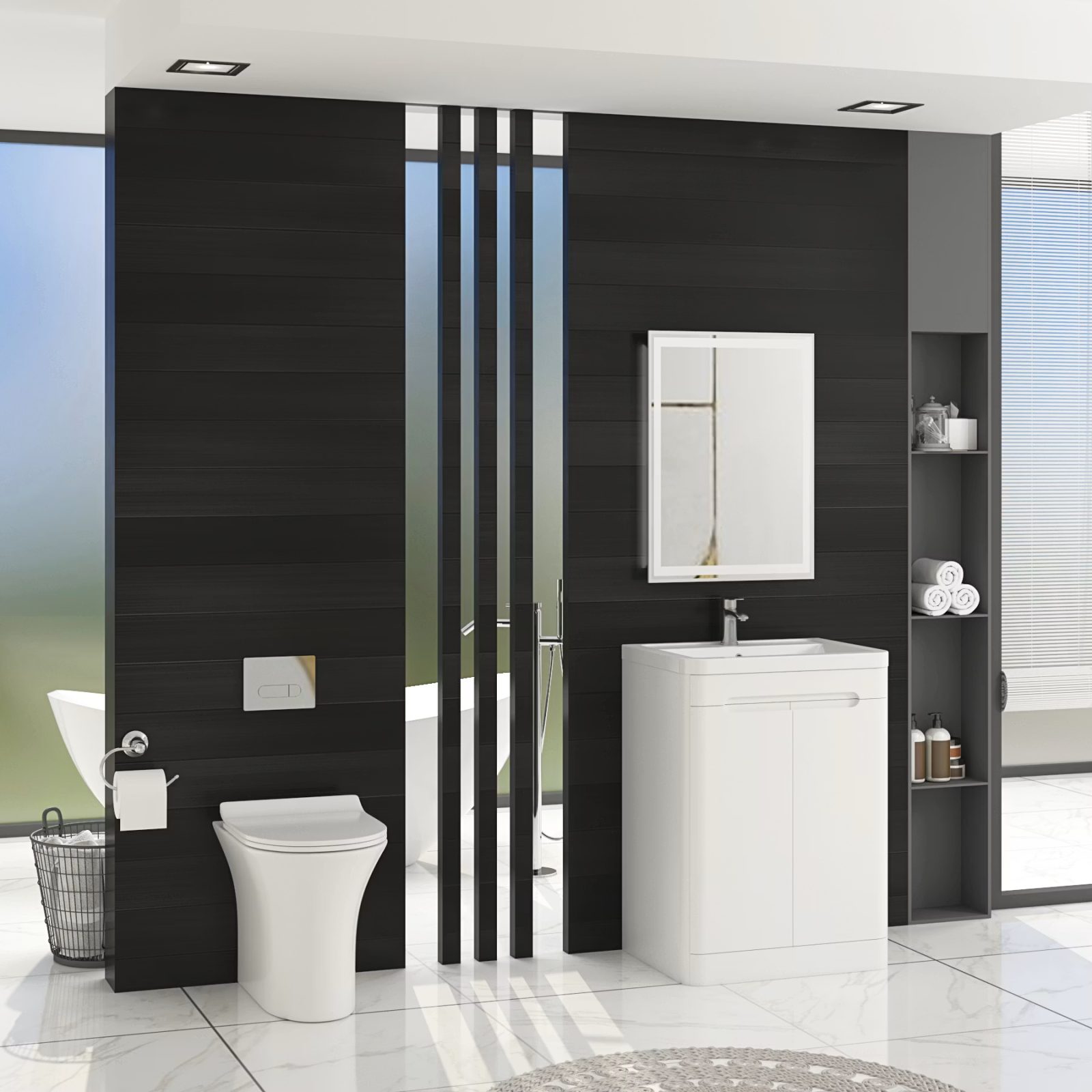
Back-to-wall toilets sit flush against the wall or against a furniture unit, with the cistern concealed behind them. This arrangement removes the exposed cistern, rear pipework, and the gap between a conventional cistern and the wall that so readily fills with dust and grime.
The reduction in exposed surfaces makes a meaningful difference to cleaning time. Rather than wiping around a freestanding cistern, scrubbing behind pipework, and negotiating the back of a close coupled toilet, the homeowner simply cleans the visible face and sides of the toilet pan along with the surrounding floor.
Back-to-wall toilets are often installed as part of a BTW toilet unit like a fitted furniture piece that conceals the cistern and provides surrounding storage. This integrated approach creates an enclosed, easy-clean environment around the toilet, further reducing the number of exposed surfaces that collect dirt.
For bathroom renovations where a streamlined appearance is a priority alongside practical maintenance, back-to-wall designs offer a strong balance of both.
Can Close Coupled Toilets Still Be Easy to Maintain?
Close coupled toilets remain the most widely installed design in UK homes. The cistern sits directly on top of the pan, creating a compact, self-contained unit. They are cost-effective, widely available, simple to install, and straightforward to repair. For the majority of homeowners, they remain a practical choice.
It is worth being honest about the cleaning challenges they present. The junction between cistern and pan, the rear of the cistern against the wall, and the floor contact points all create areas that require specific attention. These are manageable but do require a more deliberate cleaning approach than, say, a wall hung or back-to-wall model.
Modern close coupled toilets have improved considerably in recent years. Many are now available with rimless bowls, which removes the hidden rim problem. Some feature soft-close seat systems with quick-release mechanisms, making it easier to remove the seat entirely for a thorough clean. Improved flush technology in contemporary models also delivers better bowl coverage than older designs.
The key point is that close coupled toilets are not inherently unhygienic. With the right specification, particularly a rimless bowl. They can be kept clean with reasonable effort. They simply require more thoroughness in certain areas than a wall hung or back-to-wall equivalent would.
Why Flush Performance Matters More Than Most Homeowners Think
A toilet’s flushing system is central to its hygiene performance. An efficient flush does more than remove waste. It rinses the bowl, refreshes the water in the trap, and removes the biological residue that clings to bowl surfaces after each use.
Toilets with poorly designed flush systems distribute water inconsistently. Some areas of the bowl receive a strong rinse while others barely receive any water at all. Over time, the under-rinsed zones accumulate staining and bacterial build-up that no amount of flushing seems to shift without manual cleaning.
A strong, well-distributed flush reduces the frequency of residue build-up, lessens the need for repeat flushing, and keeps the bowl visibly cleaner between sessions. Some modern toilets use a directed jet flush or a 360-degree wash system that coats the entire bowl surface in a single flush. These systems make a practical difference to daily maintenance.
Water pressure in the home can also affect flush performance, so it is worth checking that any toilet being considered is compatible with the household’s water system.
The Role of Toilet Placement in Bathroom Hygiene
Where a toilet is placed within a room influences how easy it is to clean thoroughly. In a large family bathroom, a toilet is often positioned alongside a bath, basin, and other fittings. The surrounding space can be limited, which means access to the sides and rear of the toilet requires care.
In a cloakroom, space is even more constrained. A cloakroom toilet is typically smaller and more compact than a standard model, designed specifically for narrow or limited spaces. Choosing a wall hung or back-to-wall cloakroom toilet in this setting can make a disproportionate difference to how easily the space is cleaned, given how tight the floor area tends to be.
In an ensuite, where a higher standard of finish is often expected, the choice of toilet design contributes directly to how the room looks and feels on a day-to-day basis. A well-chosen, easy-clean model keeps the space looking fresh with minimal effort, which matters in a room used by guests as well as family members.
Thinking about placement and room type when selecting a toilet is not about aesthetics alone. It is a practical decision that affects the cleaning effort required for years to come.
Common Mistakes That Make Toilets Harder to Keep Clean
A number of common purchasing and installation decisions make toilets harder to maintain than they need to be.
- Prioritising appearance over functionality. A toilet that looks beautiful in a showroom may have decorative detailing, textured surfaces, or complex cistern housing that creates additional cleaning challenges in daily use.
- Ignoring bowl design. Choosing a rimmed toilet because it looks conventional or because it is slightly cheaper misses the significant hygiene disadvantage of the hidden rim channel.
- Overlooking hidden surfaces. The gap behind a close coupled cistern, the base seal around a floor-fixed toilet, and any exposed pipework should all be considered when assessing how easy a toilet will be to keep clean.
- Poor installation decisions. A toilet installed without proper attention to floor sealing or wall clearance creates immediate cleaning problems that worsen over time.
- Focusing solely on purchase price. A cheaper toilet with a traditional rimmed design and exposed pipework may cost less initially, but the additional cleaning time it demands represents a real ongoing cost.
What Features Should Homeowners Look For?
For homeowners who want a toilet that stays cleaner with less effort, the following features are worth prioritising when making a selection.
- Rimless bowl technology. This is the single most impactful hygiene feature available in modern toilet design. It removes the hidden rim channel entirely, making the bowl fully accessible for cleaning and significantly reducing bacterial accumulation.
- Efficient, full-coverage flushing. Look for models with a flush system that distributes water evenly across the entire bowl surface. This keeps the bowl visibly cleaner on a daily basis.
- Concealed cistern designs. Back-to-wall and wall hung toilets with hidden cisterns reduce exposed surfaces, eliminate rear cleaning challenges, and create a simpler overall maintenance routine.
- Accessible cleaning surfaces. The fewer the hard-to-reach areas, the easier the cleaning routine. Floor clearance in wall hung models and the enclosed environment of a BTW unit both contribute to this.
- Quick-release seat hinges. These allow the toilet seat to be detached completely in seconds, enabling a thorough clean of the area beneath the seat and around the hinge points.
- Smooth, non-porous surfaces. High-quality vitreous china with a smooth glaze resists staining and bacteria far more effectively than textured or lower-quality finishes.
Final Thoughts
Toilets that stay cleaner for longer are not the result of better cleaning habits alone. They are the result of thoughtful design. Features such as rimless technology, concealed cisterns, efficient full-bowl flushing, and accessible surfaces all reduce the effort required to maintain a hygienic bathroom, not just in the short term, but across the full lifespan of the fitting.
Modern bathroom design has made it genuinely possible to choose a toilet that works with you rather than against you. Whether you are fitting a family bathroom, a compact cloakroom, or a contemporary ensuite, understanding what makes a toilet easier to maintain is one of the most practical decisions you can make at the design stage.
A toilet is used multiple times every day by every member of the household. The specification you choose will determine how much time is spent cleaning it for years ahead. Investing a little more thought at the outset, and choosing design features that support hygiene rather than compromise it, pays dividends in everyday convenience and long-term cleanliness.