Power outages don't wait for a convenient moment, and a well-chosen standby generator can turn an unexpected blackout into a minor inconvenience. If you're starting to research options, you'll find plenty of models, features, and opinions. The goal isn't just to buy a machine it's to match the generator's capacity, fuel source, and controls to your household's real needs. This guide explains how standby generators work, how to size them correctly, which installation choices matter most, and what long-term upkeep looks like so you can make a confident, safe, and code-compliant decision.
As you evaluate brands and configurations, it helps to compare product platforms, warranty structures, and service networks alongside core specs. Manufacturer resources and authorized service pages, including Kohler generators Genstar Generator Service, can provide model overviews, fuel options, and maintenance considerations you'll want to weigh against your home's priorities.
How Standby Generators Work (and Why That Matters)
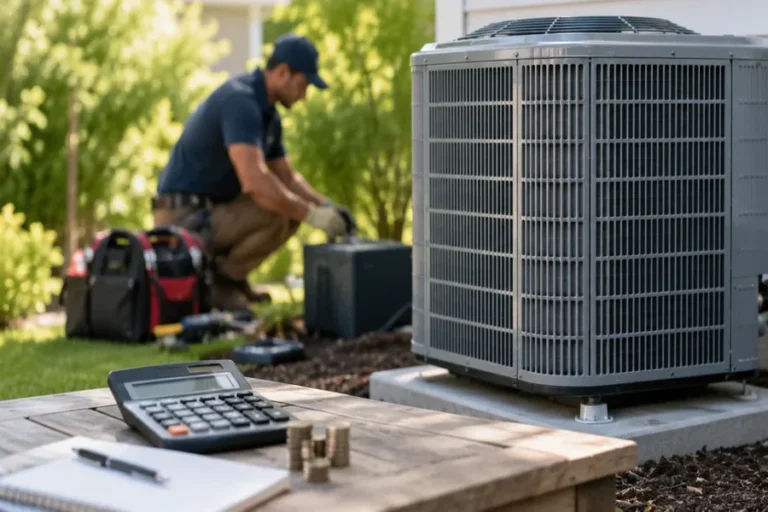
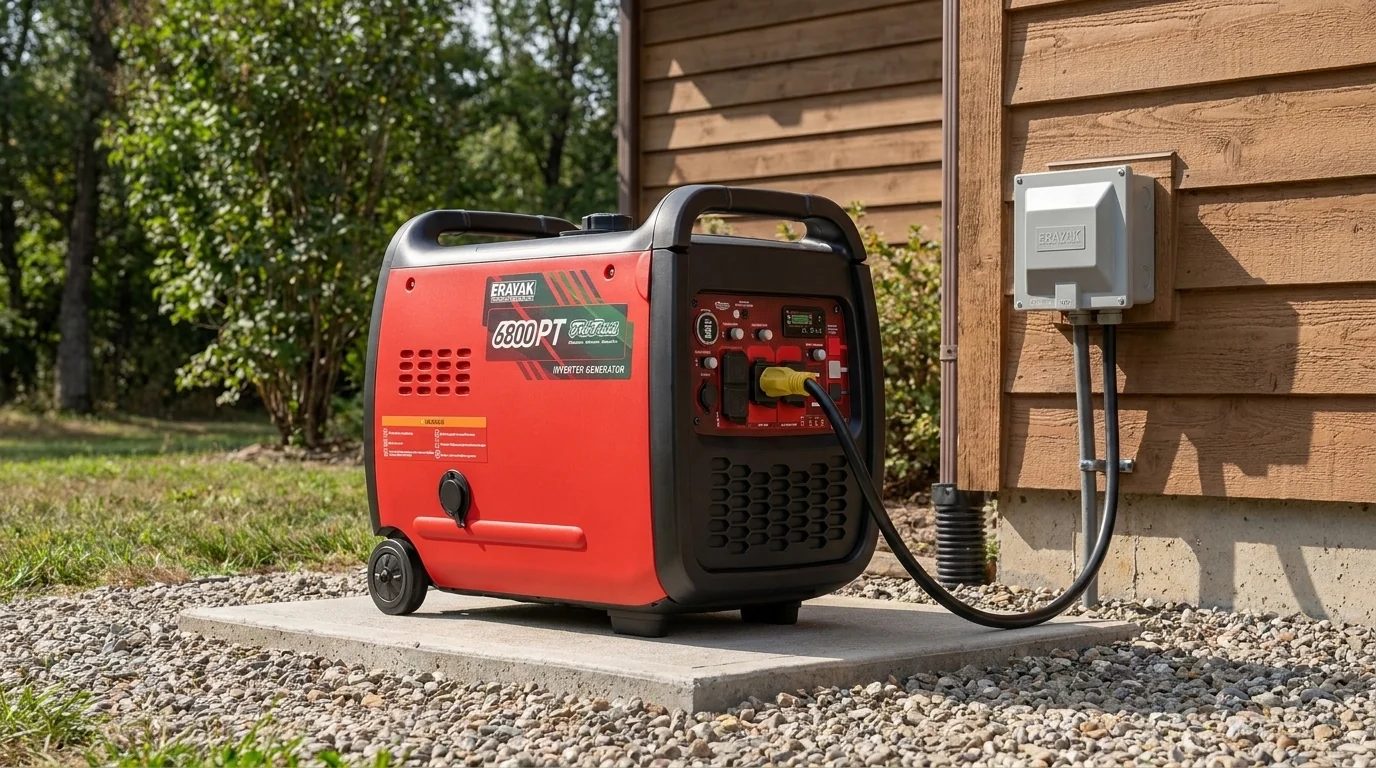
A standby generator is a permanently installed unit that sits outside your home, much like an air conditioner. It connects to a transfer switch and a fuel supply typically natural gas or propane. When utility power fails, the transfer switch signals the generator to start, safely isolates your home from the grid, and routes power from the generator to selected circuits. When utility power returns, the system transfers power back, then shuts the generator down. This automated sequence keeps refrigerators cold, sump pumps running, and essential medical devices powered without you stepping outside in a storm.
Understanding that basic flow helps with planning. The generator's output must handle the starting and running loads of everything you expect to power. The transfer switch must be rated correctly and, if you want whole-home coverage, paired with load management so high-draw appliances don't trip the system. These choices affect reliability, noise levels, fuel consumption, and the lifespan of both the generator and household equipment.
Right-Sizing: Balancing Essentials, Comfort, and Budget
Start by listing essentials: heat or AC, refrigerator and freezer, sump or well pump, medical devices, Wi‑Fi and lighting, and any security systems. Note starting watts for motor-driven devices; many appliances draw two to three times their running wattage at startup. Add up running wattage, then build in headroom for simultaneous starts and future needs. A unit that's too small may stall under load; one that's vastly oversized may run inefficiently and cost more to install and maintain.
Consider whether you want whole-home backup or a targeted-circuit approach. Whole-home coverage can be convenient, especially in extreme climates, but targeted circuits often cover what truly matters: HVAC or heating, refrigeration, pumps, critical lighting, and a few outlets. Many modern systems use smart load shedding to temporarily pause nonessential appliances when a large essential load kicks on, allowing a moderately sized generator to perform like a bigger one during brief peaks.
Fuel Source, Placement, and Noise Considerations
Natural gas offers convenience and unlimited runtime as long as service remains active during an outage. Propane gives you on-site fuel independence but requires a tank sized for expected runtime; factor in severe-weather scenarios and refill logistics. Diesel is common for commercial applications due to energy density and storage characteristics, but residential installations typically favor natural gas or propane for cleaner operation and simpler maintenance.
Placement affects safety, code compliance, and comfort. Install the unit on a stable pad with proper clearances from doors, windows, and vents to prevent exhaust intrusion. Maintain required distances from property lines and combustibles, and keep the area clear for airflow and service access. Noise ratings matter, too look for enclosures and mufflers designed to damp sound, and position the unit to minimize impact on bedrooms and neighbors while still meeting manufacturer and code requirements.
Transfer Switches, Priorities, and Electrical Compatibility
The transfer switch is the system's traffic controller. Manual switches cost less but require you to engage them; automatic transfer switches (ATS) detect outages and switch power without user input. If you have a modern electrical panel, choose a switch rated for your service amperage and compatible with any integrated load management modules. For homes with multi-panel or subpanel arrangements, plan the wiring path so that priority circuits HVAC, refrigeration, pumps, and medical devices are guaranteed power first.
Standby systems should be installed by qualified professionals familiar with local codes, grounding, and bonding requirements. They'll ensure neutral switching is handled correctly, short-circuit ratings are adequate, and surge protection is considered. If you plan to add an EV charger, heat pump, or other large loads later, discuss expansion now so the transfer equipment and generator can accommodate those changes without a full redesign.
Maintenance, Testing, and Reliability Over Time
Like vehicles, generators last longer when they're exercised and serviced on schedule. Most standby units run an automatic self-test weekly or biweekly. This low-load exercise helps keep batteries charged, lubricates engine components, and flags issues early. At least annually more often in demanding climates plan for an inspection that includes oil and filter changes, spark plug checks, air filter replacement, valve and fuel system checks, and a thorough review of electrical connections and battery health.
Keep the enclosure clear of debris, snow, and vegetation. If you use propane, verify tank levels before storm seasons. For natural gas, consider additional protection like excess flow valves, and make sure shutoffs are accessible. Document any error codes and run hours so service technicians have a clear picture of performance trends. A disciplined maintenance rhythm reduces the risk of no-start scenarios when you need the generator most.
Common Pitfalls to Avoid
Undersizing is a top mistake especially overlooking motor starting loads. Another frequent issue is neglecting ventilation and clearances, which can lead to overheating or unsafe exhaust conditions. Skipping permits or inspections may cause problems with insurance or utility coordination. Finally, waiting until a storm is imminent can compress timelines and limit equipment availability; planning leaves room for proper load analysis, fuel coordination, and code-compliant installation.
As you refine your plan, focus on how you live during an outage. If you work from home, prioritize circuits that keep your network up and your office functional. If you rely on well water, make sure that pump is powered. If extreme heat or cold is common, ensure your HVAC or furnace blower is included. These practical choices matter more than feature lists, and they'll help you select a system that genuinely supports your household.
A thoughtfully specified and maintained standby generator turns outages into a manageable event rather than an emergency. By matching capacity to real-world loads, choosing the right fuel and transfer equipment, and committing to routine service, you'll protect comfort, protect property, and keep daily routines intact when the grid goes down. Take your time with sizing and placement, involve qualified pros, and plan for future loads so your system stays dependable for years to come.