
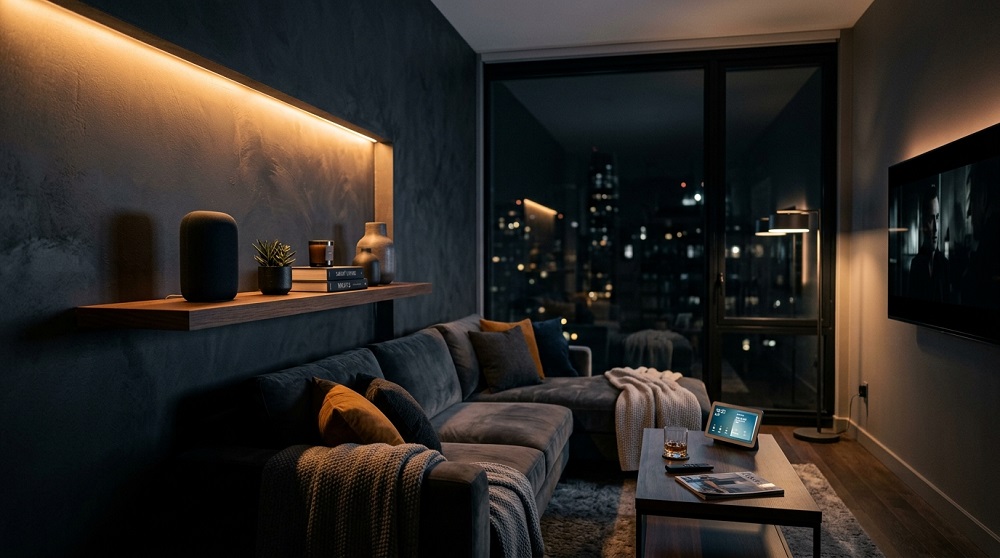
There’s a version of home life where the lights adjust themselves as the sun goes down, the temperature is always exactly right when you walk through the door, and your morning routine runs like clockwork without a single manual step. That version of home life isn’t a distant fantasy reserved for tech billionaires. It’s increasingly accessible, surprisingly affordable, and genuinely transformative when done right.
Smart home upgrades aren’t about novelty gadgets or impressive dinner party conversation. They’re about making your home more comfortable, more efficient, and more aligned with how you actually live.
1. Smart Thermostats — The Upgrade That Pays for Itself
Comfort and Savings in One Device
If there’s one smart home upgrade that delivers the most immediate, measurable return on investment, it’s a smart thermostat. Devices like the Google Nest Thermostat and Ecobee don’t just let you control temperature remotely — they learn your schedule, adapt to your preferences, and automatically optimize heating and cooling to reduce energy waste without sacrificing comfort.
Coming home to a perfectly tempered house without paying to heat or cool an empty one all day adds up to real savings across a year. Most smart thermostats pay for themselves within the first twelve months through energy bill reductions alone — and keep delivering savings every month after that.
Additional Features Worth Noting
- Remote control from anywhere via smartphone
- Energy usage reports that reveal surprising consumption patterns
- Integration with voice assistants for hands-free temperature adjustments
- Geofencing that detects when you’re approaching home and adjusts accordingly
2. Smart Lighting — Simple Upgrade, Dramatic Impact
Lighting affects mood, productivity, sleep quality, and energy consumption more than most people appreciate. Smart lighting systems let you control brightness, color temperature, and scheduling with a level of precision that traditional switches simply can’t match.
Why It’s Worth the Switch
Warm, dimmed lighting in the evening signals your brain that rest is approaching — supporting better sleep. Bright, cool-toned light during working hours supports focus and alertness. The ability to create different lighting scenes for different activities — reading, working, entertaining, winding down — transforms how a space feels and functions throughout the day.
Automated schedules mean lights turn off in empty rooms without you needing to remember. Motion-activated outdoor lighting improves security without running constantly. And the energy savings from LED smart bulbs over traditional alternatives are substantial across a full household.
Popular options to consider: Philips Hue, LIFX, Govee, and Lutron Caseta smart switches for homes where smart bulbs aren’t practical.
3. Smart Security Systems
Peace of mind is one of the most underrated forms of home comfort — and smart security systems deliver it more affordably and accessibly than ever.
What Modern Smart Security Looks Like
A comprehensive smart security setup typically includes video doorbells, outdoor cameras, smart locks, and motion sensors — all connected to a central app that gives you complete visibility of your home from anywhere in the world.
Video doorbells like Ring and Nest Doorbell let you see, hear, and speak with anyone at your door whether you’re upstairs or across the country. Smart locks eliminate key anxiety entirely — lock and unlock remotely, grant temporary access to guests or service workers, and receive alerts every time your door opens.
Beyond the security benefits, smart locks provide a daily convenience that’s difficult to overstate once you’ve experienced it.
4. Smart Plugs and Power Strips
The Most Affordable Entry Point Into Smart Living
Smart plugs are the easiest and most budget-friendly smart home upgrade available. Simply plug them into any existing outlet and whatever is connected instantly gains remote control, scheduling capability, and energy monitoring.
Use them to automate lamps, fans, coffee makers, and phone chargers. Set schedules that eliminate phantom energy drain from devices left on standby. Monitor exactly how much energy individual appliances consume — the results are often genuinely eye-opening.
A four-pack of quality smart plugs typically costs between twenty and forty dollars and immediately makes a tangible difference in both convenience and energy awareness.
5. Smart Speakers and Voice Assistants
The Hub That Ties Everything Together
Amazon Echo and Google Nest speakers serve as the central command hub of a well-integrated smart home. Control your lights, thermostat, security cameras, music, timers, shopping lists, and daily schedule — all through natural voice commands without touching a single device.
The convenience compounds significantly as you add more smart devices. What starts as a novelty quickly becomes the most natural way to interact with your home environment — especially appreciated in the kitchen when your hands are occupied or in the bedroom when you’ve already made yourself comfortable.
6. Smart Blinds and Window Treatments
Automated Light Control Beyond Just Bulbs
Natural light management is one of the most impactful and least discussed smart home upgrades. Smart blinds and motorized shades let you schedule window coverings to open at sunrise, close during peak afternoon heat, and adjust throughout the day based on sunlight intensity.
The practical benefits are meaningful — blocking direct sun during summer afternoons reduces cooling costs significantly. Allowing morning light in naturally is a gentler, more energizing wake-up experience than any alarm. And the simple convenience of adjusting every blind in your home simultaneously from your phone is something that quickly feels indispensable.
7. Smart Water Management
Water waste is one of those household inefficiencies that’s easy to overlook because the evidence is mostly invisible. Smart home technology is changing that.
Devices Worth Considering
- Smart irrigation controllers — Rachio and similar devices monitor local weather data and adjust watering schedules automatically, preventing irrigation after rainfall and optimizing schedules by soil type and plant needs. The water savings are substantial for homes with lawns and gardens.
- Smart leak detectors — Small sensor devices placed under sinks, near water heaters, and around appliances detect moisture instantly and send immediate alerts to your phone. Catching a slow leak early prevents water damage that can cost thousands to repair.
- Smart water monitors — Whole-home monitoring systems detect unusual consumption patterns that might indicate running toilets, leaky pipes, or other silent water wasters.
8. Smart Air Quality Management
Indoor air quality has a direct, documented impact on health, sleep quality, cognitive function, and overall wellbeing. Smart air management upgrades address it proactively rather than reactively.
Key Upgrades in This Category
Smart air purifiers from brands like Dyson and Levoit monitor air quality in real time and automatically adjust filtration intensity based on detected particle levels. Running at full power only when needed rather than constantly saves energy while maintaining cleaner air.
Smart humidifiers and dehumidifiers maintain optimal humidity levels automatically — particularly valuable for sleep quality, respiratory health, and protecting wooden furniture and flooring from humidity damage.
Air quality monitors like Airthings provide real-time data on CO2 levels, volatile organic compounds, humidity, and temperature — giving you actionable information about your home environment that most people never have access to.
9. Smart Kitchen Upgrades
The kitchen is one of the most actively used spaces in any home — and smart technology is making it measurably more efficient and enjoyable.
Practical Kitchen Smart Upgrades
- Smart refrigerators with internal cameras let you check contents remotely while shopping, reducing duplicate purchases and food waste
- Smart ovens and ranges with remote preheating and precise temperature control make cooking more convenient and reliable
- Smart coffee makers scheduled to brew at exactly the right time turn morning routines into something worth looking forward to
- Smart scales and cooking assistants provide real-time guidance during complex recipes for more consistent results
10. Smart Entertainment and Ambiance
A home that’s comfortable isn’t just about temperature and security — it’s about atmosphere. Smart entertainment upgrades transform how relaxing and enjoyable your living spaces feel.
Creating the Perfect Ambiance
Multi-room audio systems from Sonos or Bose let you fill your home with music that follows you from room to room seamlessly. Smart TVs with voice control and streaming integration simplify entertainment considerably. Automated scene settings — where a single command simultaneously dims the lights, lowers the blinds, and switches the TV to your favorite streaming service — create an effortless experience that makes home genuinely feel like a retreat.
Tips for Building Your Smart Home Wisely
Choose an Ecosystem and Stick to It
The biggest frustration in smart home building comes from mixing incompatible systems. Decide early whether you’re building around Amazon Alexa, Google Home, or Apple HomeKit and prioritize devices that work natively within your chosen ecosystem. Compatibility headaches are largely avoidable with upfront planning.
Prioritize Reliability Over Features
A smart home device that works reliably every time is infinitely more valuable than one packed with features that perform inconsistently. Read reviews that specifically address reliability and longevity rather than just feature lists before buying.
Start Small and Expand Gradually
You don’t need to transform your entire home simultaneously. Start with the one or two upgrades most relevant to your daily friction points, get comfortable with how they work, and expand your setup gradually as you develop a clearer sense of what you actually want.
Consider Your Wi-Fi Network
Smart home devices are only as reliable as the network supporting them. If you have a large home or significant dead zones, investing in a mesh Wi-Fi system like Eero or Google Nest WiFi before loading up on smart devices saves considerable frustration.
The Real Value Proposition of Smart Home Upgrades
The financial case is genuinely compelling — reduced energy consumption from smart thermostats, lighting automation, and efficient appliances delivers meaningful utility savings that offset upgrade costs over time. But the less quantifiable benefits might matter even more.
Coming home to a house that’s already comfortable. Waking up to natural light and fresh coffee without lifting a finger. Feeling confident that your home is secure whether you’re there or not. Having complete control of your environment from anywhere in the world. These experiences quietly improve daily quality of life in ways that compound every single day.
Final Thoughts
Smart home upgrades aren’t about technology for technology’s sake. They’re about making your most personal space — the place where you rest, recharge, and spend your most private hours — work better for the specific way you live your life.
Start with comfort. Build toward efficiency. Let the technology disappear into the background where it belongs — quietly making everything a little smoother, a little smarter, and a little more like home.
Upgrade thoughtfully. Live comfortably. Enjoy the difference.