Modern homes depend on far more electrical equipment than houses built several decades ago were originally designed to support. Refrigerators, dishwashers, air conditioners, washing machines, dryers, entertainment systems, computers, and countertop devices may operate at the same time throughout the day. While older electrical systems can continue functioning for many years, increasing household power consumption may place additional strain on wiring, circuits, outlets, and electrical panels. Understanding how newer appliances affect an aging electrical system can help homeowners recognize changing power demands, identify warning signs, and determine when the electrical infrastructure of a property may need closer evaluation or improvements.
Understanding Increased Household Electrical Demand
Older Electrical Systems Were Designed for Different Lifestyles
Homes constructed decades ago were typically designed around much lower electricity consumption than today’s households require. Families may once have operated a refrigerator, television, lighting, a few kitchen appliances, and several small electrical devices without creating significant demand on the available circuits. Modern households often have multiple televisions, computers, gaming equipment, charging stations, large kitchen appliances, HVAC equipment, laundry machines, and smart home devices operating simultaneously. The electrical panel and branch circuits in an older property may therefore be handling loads that were never anticipated when the house was built. Homeowners concerned about increasing electrical use may consult providers such as BH3 Industries in mesquite when evaluating whether aging electrical infrastructure can accommodate modern household requirements. The issue is not necessarily that individual appliances consume extreme amounts of electricity. Instead, problems can develop when several appliances and devices draw electricity from the system at the same time, particularly when circuits already serve several rooms or major pieces of equipment.
High-Powered Appliances Can Place Greater Pressure on Circuits
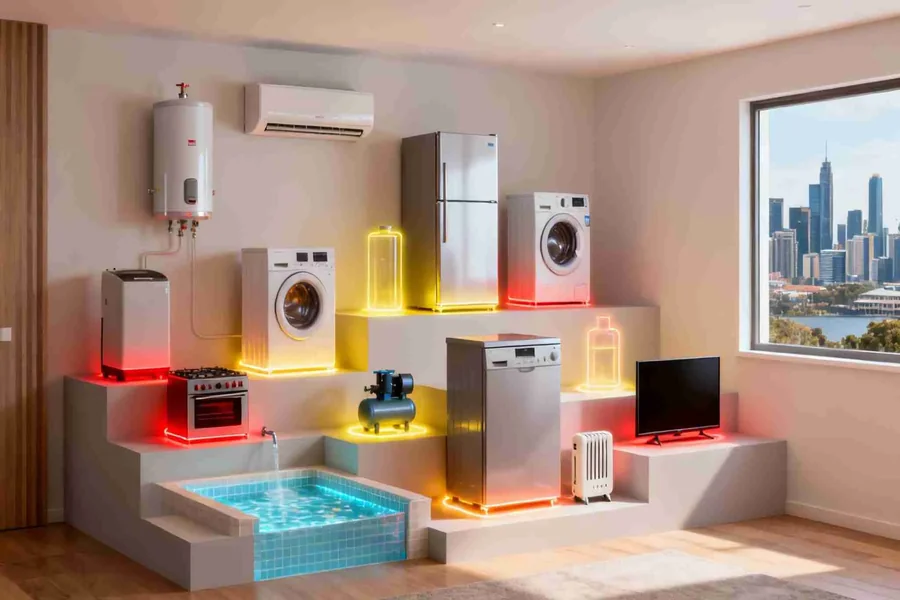
Many modern appliances require considerable electrical power during normal operation, while some temporarily draw even more electricity when motors, heating elements, compressors, or pumps start. Electric dryers, ovens, dishwashers, water heaters, air conditioning equipment, refrigerators, and washing machines can all contribute substantial loads. Newer appliances may be more energy efficient than older models overall, but efficiency does not always mean that the home’s existing circuits are automatically suitable for every device. A powerful appliance can still require a dedicated circuit or a particular electrical configuration to operate properly. Problems become more likely when older homes have limited circuits and multiple outlets share the same wiring. Running a microwave while a toaster, coffee machine, refrigerator, and other kitchen equipment are already operating may cause a circuit breaker to trip if their combined electrical demand exceeds the circuit’s capacity. Repeated overloads may indicate that household electrical needs have grown beyond the way the original circuits were arranged.
Kitchens Have Become Major Electrical Consumption Areas
The modern kitchen illustrates how dramatically household electricity use has changed. Older kitchens often contained relatively few electrical appliances, while current kitchens can include refrigerators, freezers, microwaves, dishwashers, electric ranges, garbage disposals, coffee machines, air fryers, blenders, electric kettles, toaster ovens, and numerous smaller devices. Several of these appliances can operate simultaneously, particularly during meal preparation. Older kitchen circuits may not have been designed for such concentrated electrical demand. Plugging several high-wattage countertop appliances into outlets connected to the same circuit can create frequent breaker trips or other performance problems. Adding extension cords or power strips does not increase the amount of electricity the circuit can safely supply, even though it provides additional places to connect devices. The limitation remains within the circuit wiring and breaker rating. As household kitchen habits change, homeowners may need to consider whether existing circuits provide enough capacity and whether large appliances have appropriate dedicated connections.
Heating and Cooling Equipment Can Significantly Affect Electrical Loads
Heating and cooling systems are another major source of electrical demand, particularly when homeowners install newer or larger equipment in older properties. Central air conditioners, heat pumps, electric furnaces, portable air conditioners, mini-split systems, and supplemental heating devices can consume considerable electricity. HVAC equipment also contains compressors, motors, blowers, and other components that may briefly require additional current during startup. If the home’s electrical service is already supporting many other appliances, adding or upgrading heating and cooling equipment can increase overall demand considerably. Problems may become noticeable during periods of extreme weather when air conditioning or heating operates for extended periods while refrigerators, laundry equipment, kitchen appliances, electronics, and lighting are also being used. An electrical system that appears adequate during mild weather may behave differently during periods of heavy simultaneous consumption. This is why the total electrical requirements of the household matter more than simply considering each appliance separately when determining whether an older system remains appropriate.
Warning Signs Can Appear as Electrical Demand Increases
An older electrical system under increasing demand may provide several signs that should not simply be ignored. Circuit breakers that trip repeatedly can indicate that circuits are carrying more electricity than intended, particularly when specific appliances operate together. Lights that dim noticeably when a large appliance starts can also suggest that electrical demand is affecting voltage within the home. Other possible warning signs include outlets that feel unusually warm, buzzing electrical components, damaged receptacles, discolored outlet covers, or persistent burning odors around electrical equipment. Some older homes may also have very few outlets, encouraging residents to rely heavily on extension cords and power strips to connect modern electronics and appliances. While occasional breaker operation can occur for understandable reasons, repeated electrical problems deserve attention because simply resetting the breaker does not address the cause of the overload. Changes in household equipment should therefore be considered whenever electrical issues become more frequent after new appliances or devices have been installed.
Electrical Panels May Eventually Become a Limiting Factor
The electrical panel determines how electricity is distributed throughout a home, making its capacity particularly important as household power requirements increase. Older houses may have electrical services that were suitable when the property was constructed but provide limited flexibility for today’s appliances. Even when individual circuits function normally, homeowners may eventually reach a point where adding an electric vehicle charger, larger HVAC system, electric range, dryer, workshop equipment, or additional household circuits becomes difficult without changes to the panel or service capacity. The condition of the panel also matters because age, corrosion, loose connections, outdated components, and previous modifications can influence electrical reliability. Simply replacing a breaker with one rated for greater amperage is not a suitable solution to an overloaded circuit because the wiring itself must be capable of safely carrying the electrical load. Evaluating the complete system helps determine whether modifications should involve individual circuits, additional dedicated circuits, panel changes, or broader electrical service improvements.
Conclusion
Modern appliances have transformed everyday life, but they have also changed the amount and concentration of electricity households use. Older electrical systems were often designed for simpler homes containing fewer appliances, electronics, and high-powered devices. As new equipment is added, circuits, wiring, outlets, and electrical panels can experience greater demand than originally anticipated. Repeated breaker trips, dimming lights, warm outlets, or difficulty adding new equipment may indicate that household power requirements have changed. Paying attention to these signs and understanding how appliances affect total electrical demand can help homeowners make informed decisions about maintaining, modifying, or updating aging electrical infrastructure.